
Through advanced filtration technology and high - quality materials, we ensure that our DPFs meet the most stringent environmental standards helping to improve air quality and protect the environment.
Through advanced filtration technology and high - quality materials, we ensure that our DPFs meet the most stringent environmental standards helping to improve air quality and protect the environment.

Know the warning signs. Protect your engine. Avoid costly downtime.
A blocked diesel particulate filter (DPF) can quickly become more than a maintenance issue. For commercial trucks, buses, construction equipment, and other diesel-powered vehicles, excessive filter restriction can affect engine performance, fuel use, and vehicle availability.
Can you keep driving with a blocked DPF? Sometimes a vehicle can continue operating briefly, but it is not always safe or advisable. The right decision depends on the severity of the blockage, the warning messages displayed, the vehicle's behavior, and the manufacturer's instructions.
For fleet operators and maintenance teams across the United States and Canada, understanding these signs can help prevent further damage and reduce avoidable downtime.
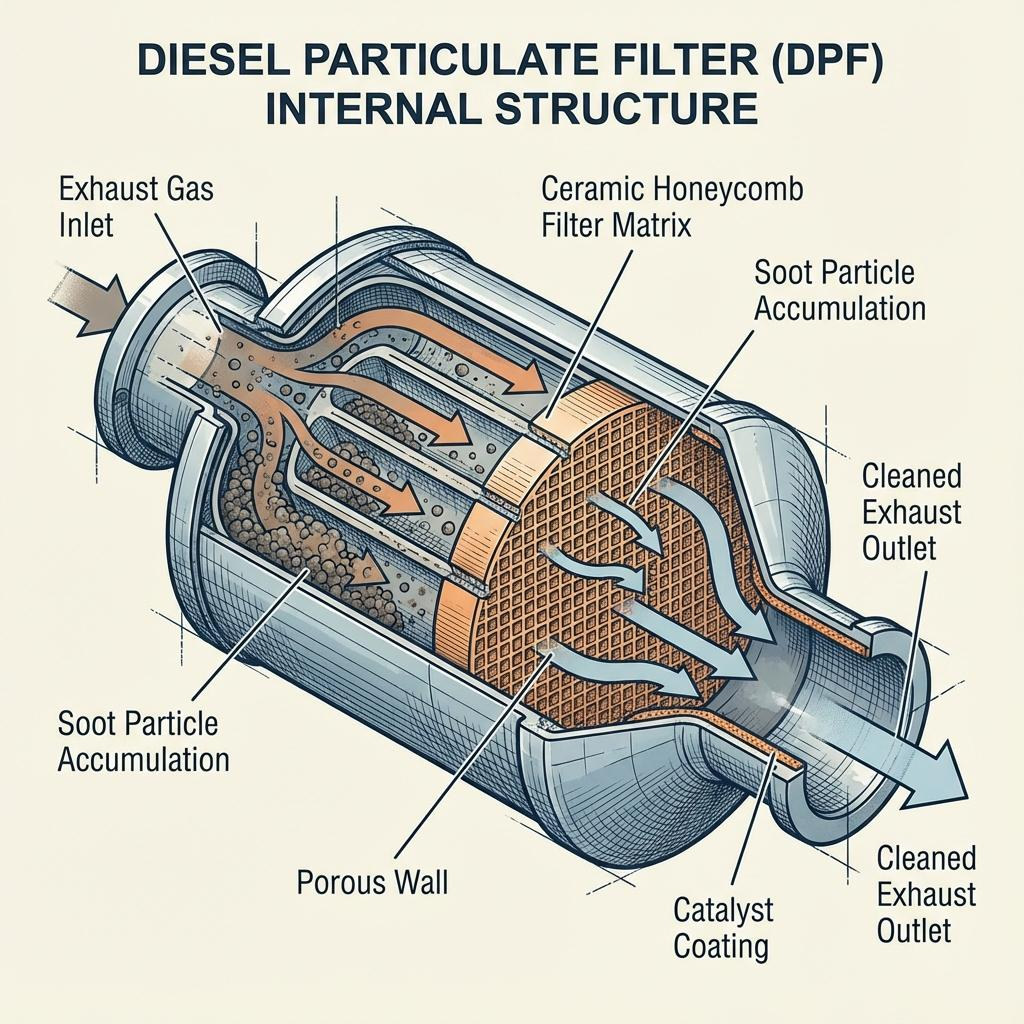
A DPF captures soot from diesel exhaust. Its porous ceramic structure allows exhaust gas to pass through while trapping particulate matter. During regeneration, the system raises the filter temperature to burn off accumulated soot under controlled conditions.
Over time, soot can build up faster than regeneration removes it. Ash from engine oil additives and other noncombustible material also accumulates and cannot be removed by normal regeneration.
As the filter becomes restricted, exhaust backpressure increases. The engine and aftertreatment control systems may respond by limiting performance or requesting service.
Common causes include:
· Repeated short trips or low-load operation that prevent suitable regeneration conditions.
· A failed or interrupted regeneration cycle.
· Faulty pressure or temperature sensors.
· Engine problems that produce excess soot, such as injector or air-system faults.
Ash accumulation after extended service.
Why it matters: A blocked DPF may be the main fault, or it may be a symptom of another problem. Correct diagnosis is essential before deciding on the repair.
Recognizing early symptoms can help maintenance teams act before a vehicle loses more performance.
Watch for these common signs:
· DPF warning light: The vehicle may be requesting regeneration or indicating a filter restriction.
· Reduced engine power: The engine control system may limit torque to protect the vehicle or emissions system.
· Higher fuel consumption: The vehicle may use more fuel during repeated or unsuccessful regeneration attempts.
· Frequent regeneration: Repeated requests may indicate a soot-loading problem or an underlying fault.
· Check-engine warning: A sensor, temperature, pressure, or aftertreatment fault may require diagnosis.
Limp mode: The vehicle may restrict speed or power when a fault becomes more serious.
Warning symbols and their meaning vary by vehicle and engine manufacturer. A DPF warning does not always mean the filter is fully blocked, and a warning-free dashboard does not rule out every aftertreatment problem.
Customer value: Early attention can help prevent an avoidable roadside breakdown and support better maintenance planning.
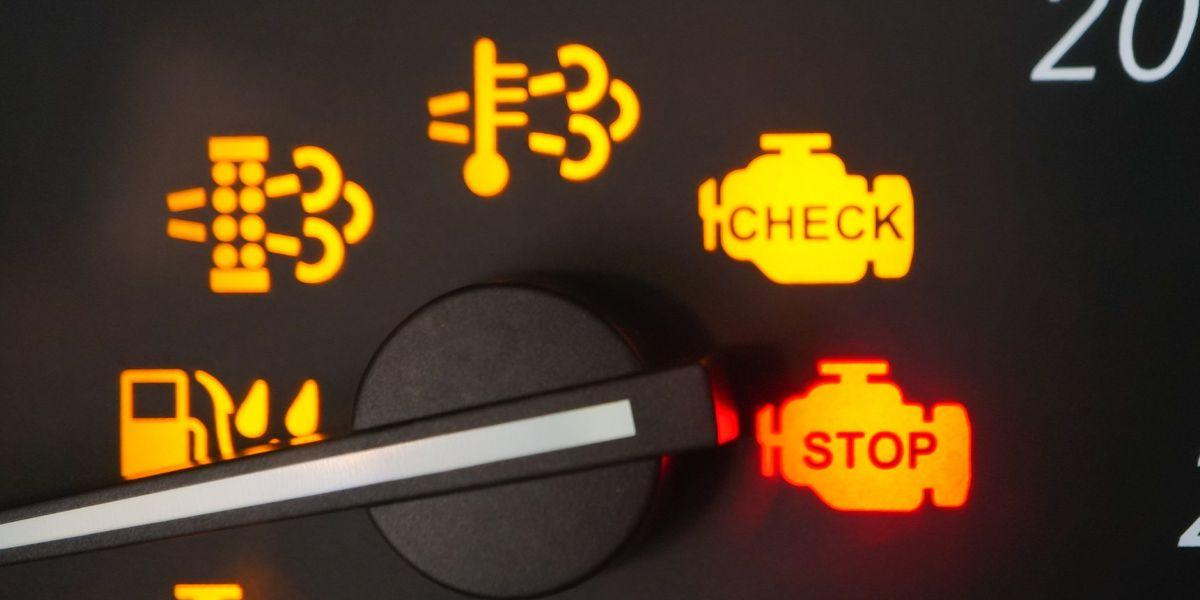
There is no single answer for every diesel vehicle. Some manufacturers allow a defined driving procedure when a routine regeneration warning appears. Others require prompt service when restriction reaches a higher level.
· Use the vehicle's operator manual and warning messages to guide your response.
· Routine regeneration request: Follow the manufacturer's stated procedure only if the vehicle's instructions permit it and all required conditions are met.
· Persistent warning or repeated regeneration request: Arrange diagnosis promptly rather than repeatedly attempting regeneration without finding the cause.
· Severe power loss, overheating, abnormal exhaust conditions, or a critical warning: Stop in a safe location and seek qualified assistance.
Red stop warning or explicit instruction to stop the engine: Follow that instruction immediately and do not continue driving.
Do not assume that driving at highway speed will clear every blocked DPF. A severely restricted or damaged filter may not regenerate successfully. Attempting regeneration under the wrong conditions can create excessive heat and increase the risk of damage.
Important: Never park over dry grass or other combustible material during regeneration, and never attempt a forced regeneration unless it is authorized by the vehicle manufacturer's procedure and performed under the required safety conditions.
Excessive exhaust restriction can interfere with engine operation and increase thermal stress across the exhaust system. Depending on the engine design and fault severity, the vehicle may enter a reduced-power mode or require an urgent repair.
Repeated unsuccessful regeneration can also waste fuel and expose aftertreatment components to unnecessary heat cycles.
If the underlying cause is not corrected, cleaning or replacing the DPF alone may not solve the problem. Excessive soot production, failed sensors, or unsuitable operating conditions can cause the replacement filter to load again.
For fleet managers, the consequences may include:
· Unplanned downtime and missed delivery schedules.
· Higher diagnostic, repair, and towing costs.
· Increased maintenance workload.
Reduced vehicle availability and productivity.
The engineering priority is to identify both the restriction and its cause. This helps prevent repeat failures and supports a more reliable repair.
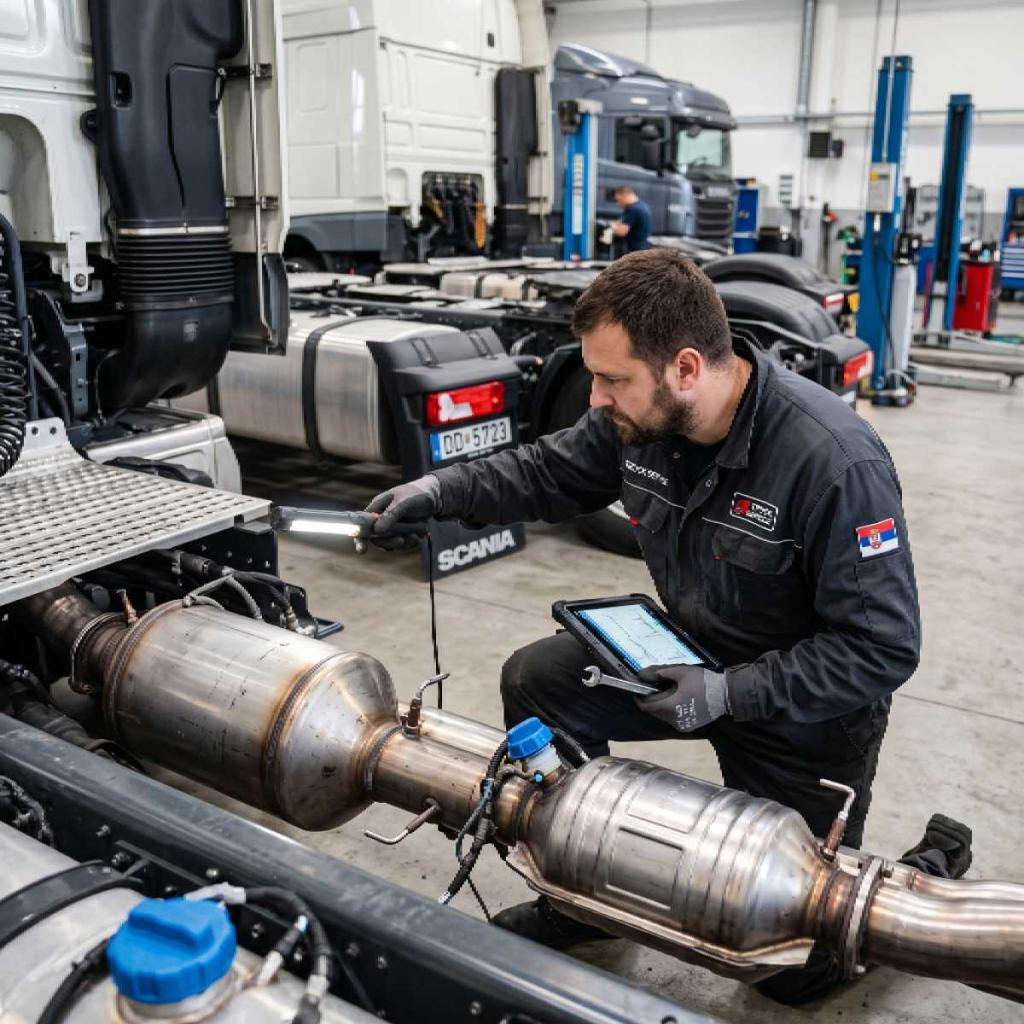
A structured diagnosis is more effective than replacing parts based on a warning light alone.
A qualified technician may:
1. Read diagnostic trouble codes and review the vehicle's warning history.
2. Check differential pressure and other relevant sensor readings against manufacturer specifications.
3. Review soot-load estimates, regeneration history, and exhaust temperature data where available.
4. Inspect for engine faults, exhaust leaks, sensor problems, and other causes of excess soot.
Determine whether a permitted regeneration, professional cleaning, repair, or replacement is appropriate.
Soot and ash require different treatment. Regeneration can burn soot, but it does not remove accumulated ash. Cleaning and replacement decisions should follow the filter manufacturer's guidance and the vehicle's service requirements.
Distributors should also verify that any replacement DPF matches the intended engine, emissions system, and vehicle configuration.
A blocked DPF should never be ignored. While some vehicles can complete a manufacturer-approved regeneration procedure, severe restriction, critical warnings, or abnormal vehicle behavior may require stopping and arranging professional service.
For fleet operators, early diagnosis helps reduce disruption and avoid unnecessary repairs. For aftermarket distributors, accurate application matching and reliable technical support help customers choose the right solution. For OEM engineers, understanding restriction, regeneration, and upstream faults is central to dependable aftertreatment performance.


