
Through advanced filtration technology and high - quality materials, we ensure that our DPFs meet the most stringent environmental standards helping to improve air quality and protect the environment.
Through advanced filtration technology and high - quality materials, we ensure that our DPFs meet the most stringent environmental standards helping to improve air quality and protect the environment.

Precision, Performance & Quality You Can Trust
A diesel particulate filter (DPF) does more than capture soot. It must support effective emissions control, maintain exhaust flow within design limits, withstand repeated high-temperature cycles, and fit the intended aftertreatment system.
For fleet operators, aftermarket distributors, and OEM engineers across the United States and Canada, these requirements have direct business value. Filter quality can affect vehicle uptime, maintenance costs, service life, and customer confidence.
Our approach to DPF testing and quality control combines material verification, manufacturing process controls, inspection, and application-specific performance validation. The objective is clear: deliver DPF solutions engineered for reliable operation in demanding diesel applications.
1. Material Verification: Quality Starts at the Source
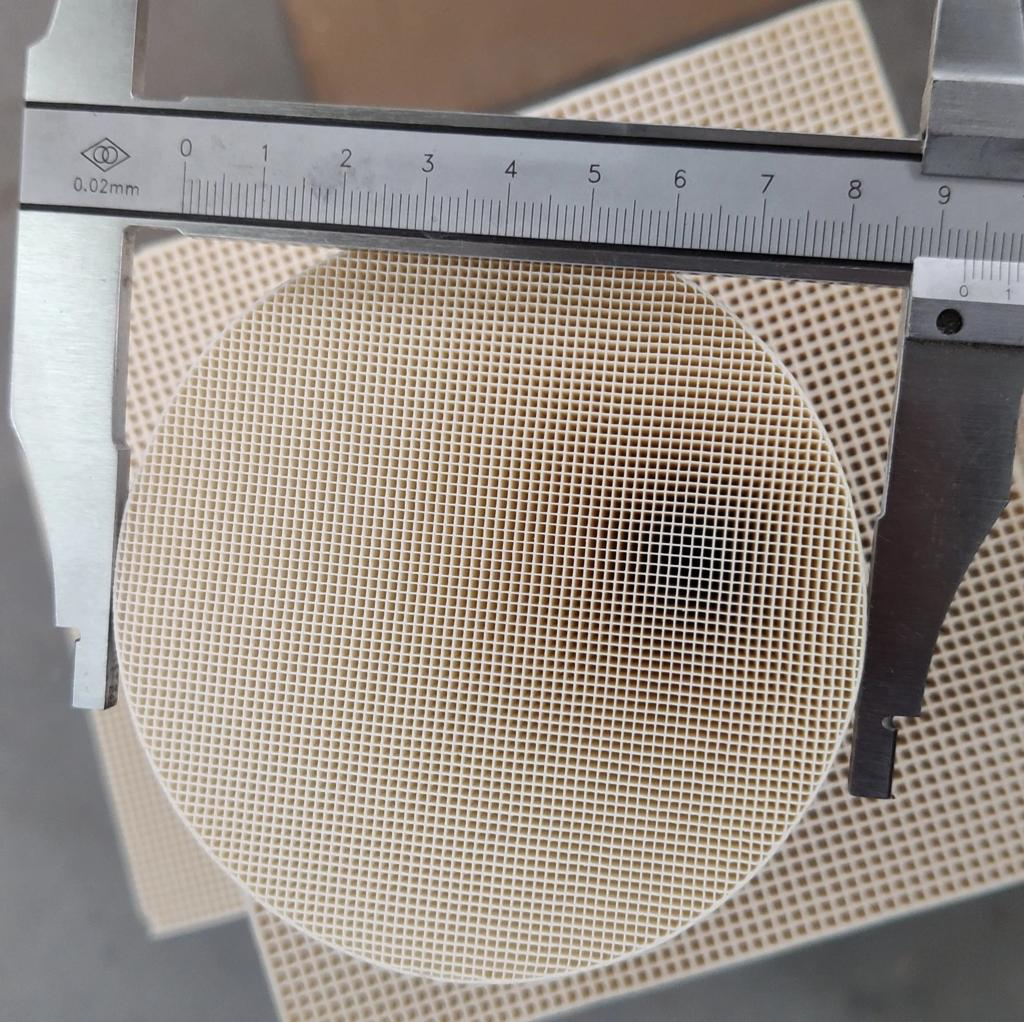
Incoming inspection checks key dimensions, visible defects, and material requirements against the applicable specifications. Engineers also consider cell density, wall thickness, porosity, and thermal expansion because these characteristics influence filtration, pressure drop, and durability.
Why it matters: Starting with suitable materials helps establish the foundation for consistent product quality and long-term performance.
2. Manufacturing Process Control: Precision at Every Stage
Our manufacturing quality framework covers five key stages:
1. Core preparation: Verify substrate condition and critical dimensions.
2. Plugging and coating: Check plug patterns and coating coverage where applicable.
3. Canning and assembly: Confirm correct support and sealing materials to reduce the risk of cracks, leaks, and movement.
4. Welding and finishing: Inspect housing joints, weld quality, dimensions, and connection points.
Final inspection: Compare the finished product with approved drawings and customer specifications.
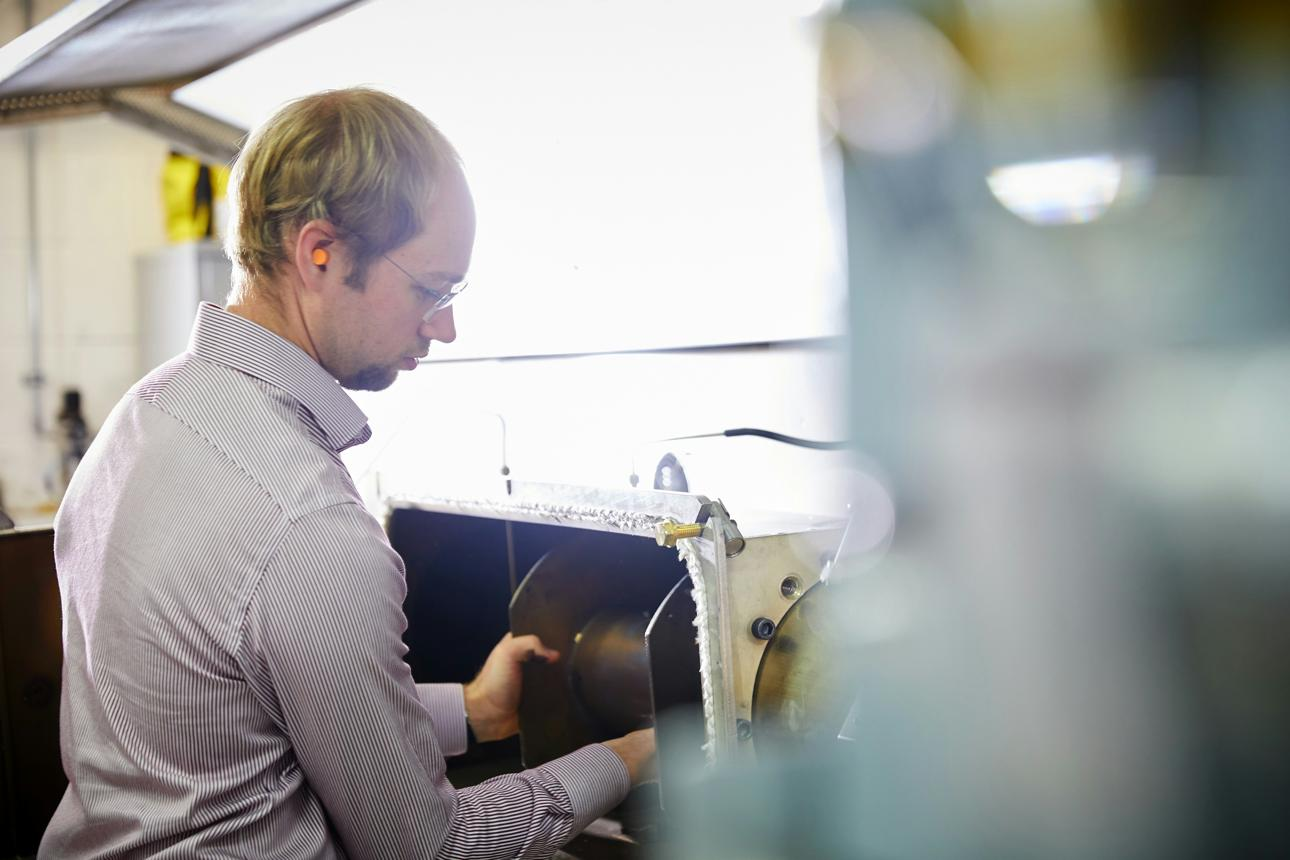
Calibrated equipment, documented work instructions, trained operators, and defined acceptance criteria help maintain repeatability. Automation can improve consistency, but it must work alongside effective process controls.
Customer value: Consistent manufacturing helps reduce fitment problems, supports predictable installation, and strengthens confidence across distributor and OEM supply chains.
3. Performance Testing: Measuring What Matters
Key performance checks include:
Filtration efficiency: Evaluates the filter's ability to capture particulate matter.
· Flow and pressure-drop testing: Measures exhaust restriction under defined test conditions.
· Thermal durability: Assesses the ability to withstand repeated high-temperature cycles.
Mechanical strength: Evaluates resistance to vibration, cracking, and other forms of physical damage.
These checks address different aspects of performance. A filter may capture soot effectively but still create operating problems if its pressure drop exceeds the required limits. Likewise, a filter that cannot withstand thermal stress may suffer damage during service.
For this reason, test methods and acceptance criteria must match the intended product design, operating conditions, and customer requirements.
Customer value: Verified performance supports reliable emissions control and helps reduce the risk of avoidable filter-related service interruptions.
4. Quality Control and Validation: Beyond Visual Inspection
Depending on the design and application, quality checks may include:
· Dimensional inspection of mounting points and connections.
· Visual inspection for cracks, damaged substrates, and poor welds.
· Leak testing of the housing and joints.
· Verification of approved materials and manufacturing methods.
· Traceability linking finished units to production records and inspection results.
Thermal cycling and vibration testing for durability validation.
No single test can establish every aspect of DPF quality. Reliable validation depends on combining suitable methods and evaluating results against defined specifications.
Traceability is especially valuable for OEM engineers and aftermarket distributors. Clear production and inspection records help support supplier qualification, technical investigations, warranty reviews, and consistent product identification.
Customer value: Documented quality controls provide a stronger basis for purchasing decisions and help build confidence throughout the product lifecycle.
5. Real-World Reliability for North American Fleets
For fleet operators, effective quality control can help support predictable maintenance and vehicle availability. For distributors, consistent dimensions and reliable product records can help reduce fitment issues and warranty disputes. For OEM engineers, controlled manufacturing and documented validation support integration and production consistency.
However, even a well-manufactured DPF cannot correct every aftertreatment problem. Poor regeneration, unsuitable duty cycles, excessive oil consumption, injector problems, and upstream engine faults can contribute to filter loading or damage. Correct diagnosis and application matching remain essential.
The result: A DPF engineered and validated against the right requirements helps customers manage risk, protect equipment, and support dependable emissions control.


