
Through advanced filtration technology and high - quality materials, we ensure that our DPFs meet the most stringent environmental standards helping to improve air quality and protect the environment.
Through advanced filtration technology and high - quality materials, we ensure that our DPFs meet the most stringent environmental standards helping to improve air quality and protect the environment.

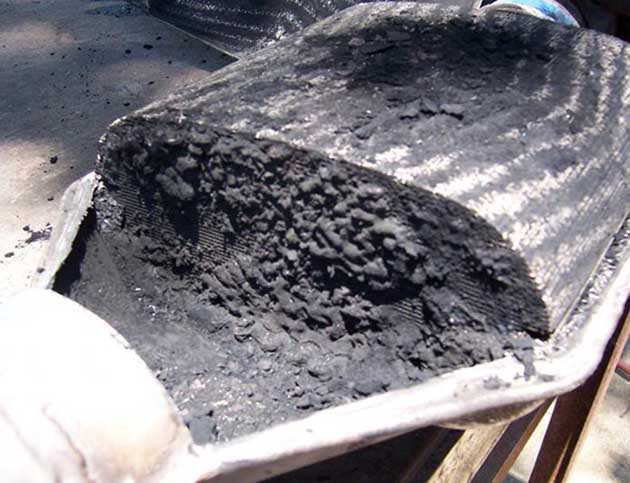
If your fleet runs diesel trucks, you’ve likely seen it:
Warning lights
Frequent regenerations
Sudden <engine derates>
Most of these issues trace back to one component:
👉 the <diesel particulate filter (DPF)>
This article explains the most common DPF failures, what causes them, and how to prevent costly downtime.
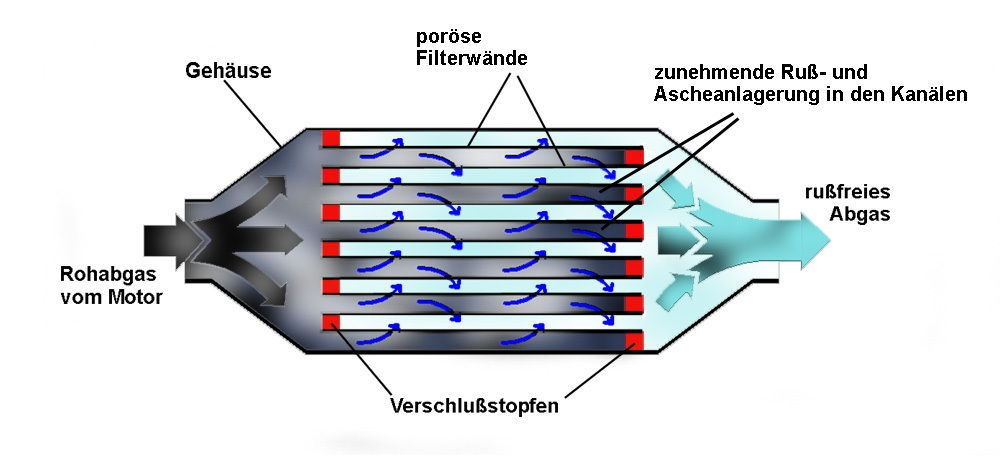
The DPF captures <soot (particulate matter)> from exhaust gas.
It works in two steps:
Trap soot in the filter
Burn it off through <regeneration>
👉 When this process breaks down, failures begin.
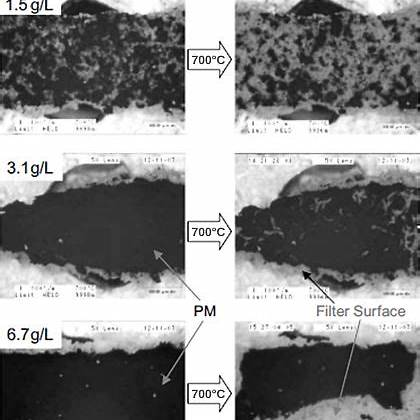
Soot builds up faster than it can burn
Exhaust flow is restricted
Frequent <low-load duty cycles> (city driving, idling)
Missed or interrupted regenerations
Faulty sensors (temp, pressure)
High <backpressure>
Frequent regen requests
Loss of power
✔️ Ensure complete regeneration cycles
✔️ Reduce unnecessary idling
✔️ Monitor pressure trends—not just fault codes
Non-burnable ash fills filter channels over time
Engine oil additives (calcium, zinc)
High oil consumption
Long service intervals without cleaning
Gradual increase in backpressure
More frequent regeneration
Reduced fuel efficiency
✔️ Use <low-ash engine oil>
✔️ Schedule professional cleaning intervals
✔️ Track long-term pressure increase
👉 Key fact: Ash cannot be burned off—it must be cleaned.
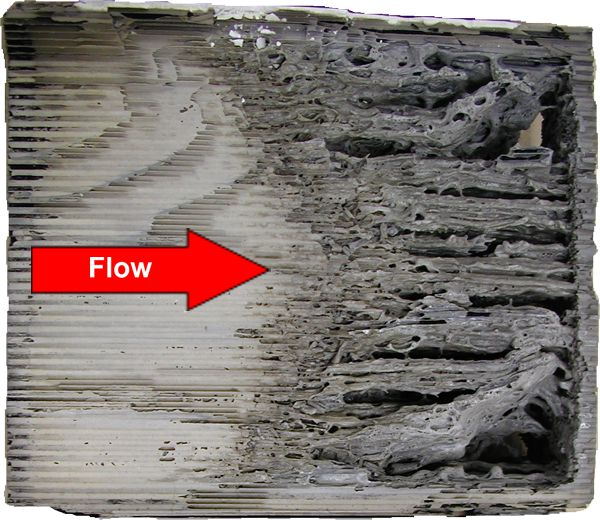
Excessive heat damages the ceramic substrate
Uncontrolled active regeneration
Fuel system issues (over-fueling)
Oil contamination in exhaust
Sudden failure (not gradual)
Severe restriction or internal collapse
Possible downstream damage
✔️ Maintain fuel injectors and turbo system
✔️ Avoid repeated forced regenerations
✔️ Address warning codes early
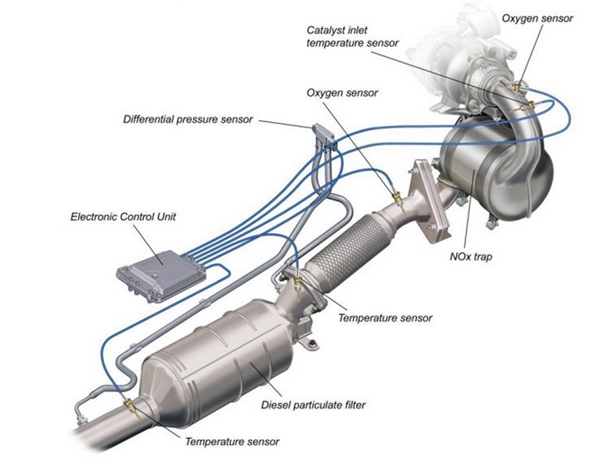
System misreads conditions → incorrect operation
Failed <temperature sensors>
Faulty <differential pressure sensors>
Wiring or ECU issues
Incomplete regeneration
False fault codes
Poor emissions performance
✔️ Include sensors in maintenance checks
✔️ Use diagnostic data, not guesswork
✔️ Replace aging sensors proactively
❗ Most DPF failures are not caused by the filter itself.
They are caused by:
Duty cycle mismatch
Poor maintenance
Upstream engine issues
👉 The DPF is often the symptom—not the root problem.
Track:
<DPF differential pressure>
Regeneration frequency
Fuel consumption trends
👉 Data tells you problems before failure happens.
Typical North American guidance:
Line-haul: 300k–500k miles
Urban fleets: 150k–300k miles
👉 Adjust based on your duty cycle, not generic rules.
Drivers should understand:
Regen indicators
When to allow regen to complete
Risks of excessive idling
Don’t ignore:
Oil consumption
Injector issues
Turbo problems
👉 These directly impact DPF life.
Ash loading is high
No structural damage
Backpressure improves after service
Substrate is cracked or melted
Cleaning does not restore flow
Repeated failures occur


