
Through advanced filtration technology and high - quality materials, we ensure that our DPFs meet the most stringent environmental standards helping to improve air quality and protect the environment.
Through advanced filtration technology and high - quality materials, we ensure that our DPFs meet the most stringent environmental standards helping to improve air quality and protect the environment.

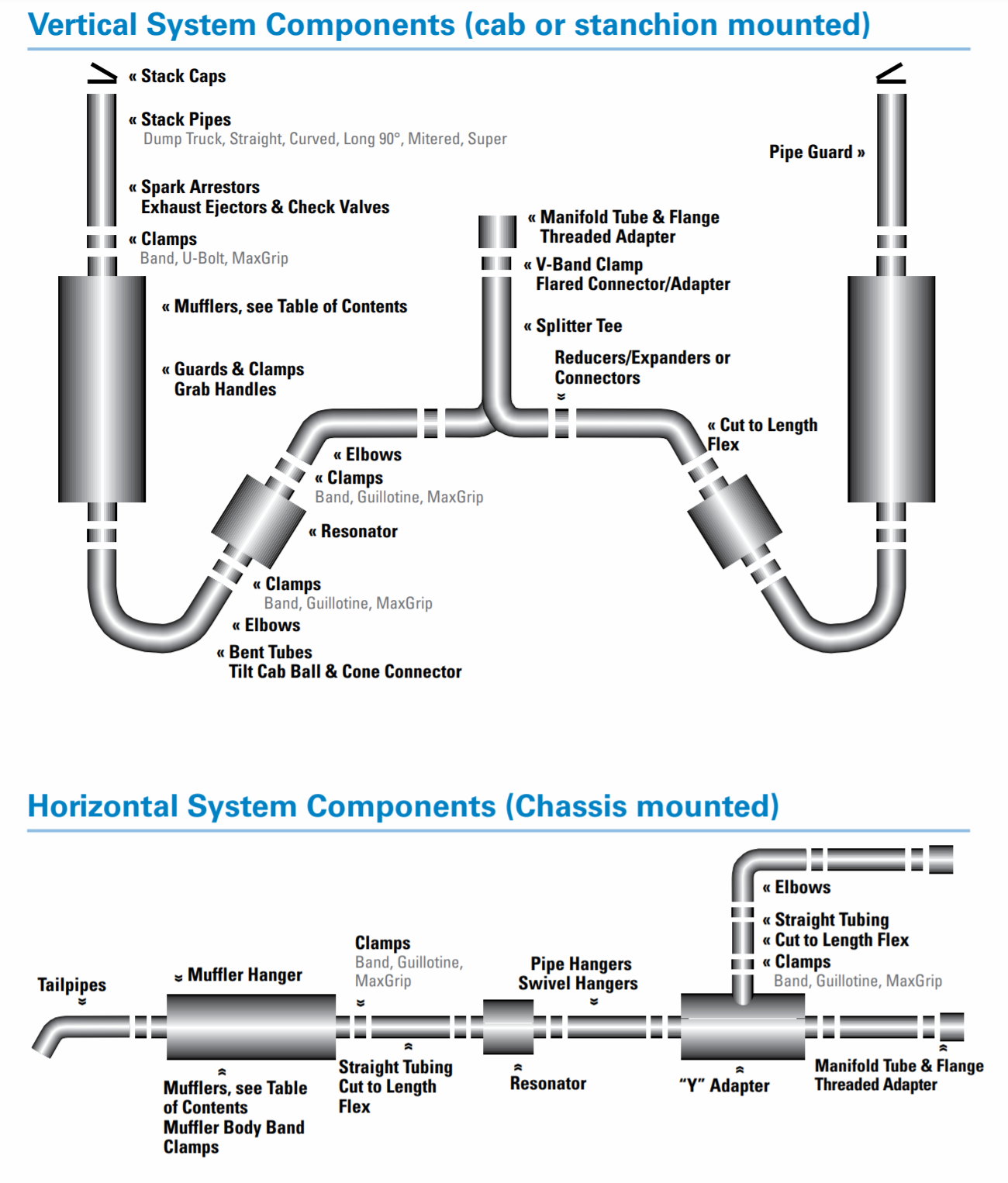
If you manage diesel fleets in North America or Canada, emissions systems are no longer optional.
They are part of everyday operations.
Modern diesel trucks rely on something called exhaust aftertreatment systems.
This system cleans engine exhaust before it leaves the tailpipe.
Think of it like a multi-stage air filter for emissions.
It reduces pollutants, helps fleets stay compliant with environmental regulations, and protects long-term equipment performance.
Fleet buyers don’t need to be engineers.
But understanding how these systems work helps you make smarter purchasing decisions and avoid costly downtime.
An exhaust aftertreatment system is a group of components installed in the exhaust line.
Its job is to remove harmful pollutants from diesel engine emissions.
The main pollutants it targets include:
Soot (tiny carbon particles)
Nitrogen oxides (NOx), which contribute to smog
Hydrocarbons and carbon monoxide
To control these emissions, most heavy-duty trucks use a combination of technologies.
The most important one to understand first is the catalytic converter.
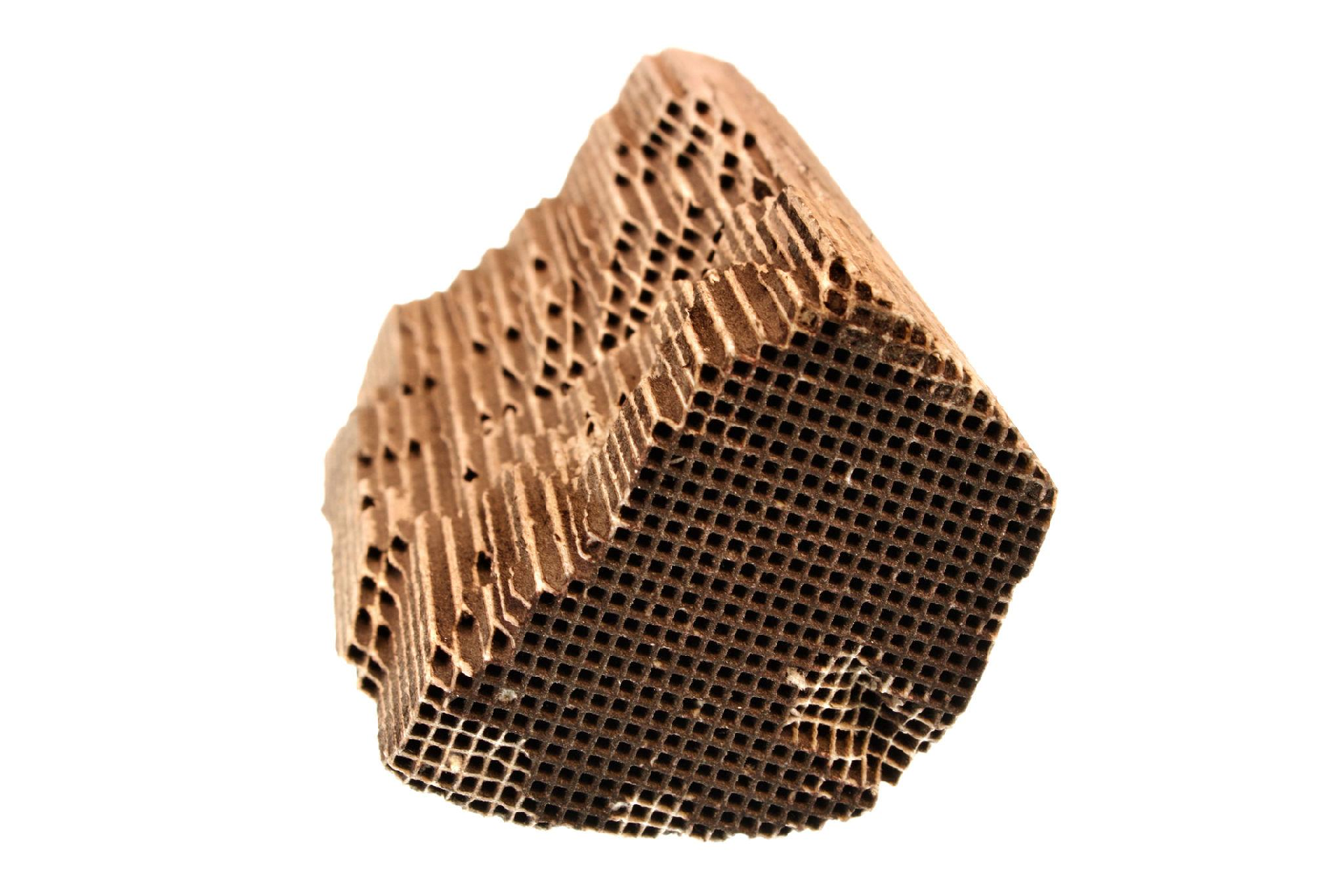
A catalytic converter is a device that turns harmful gases into safer ones.
It does this using a chemical reaction called catalysis.
Catalysis means speeding up a chemical reaction without being consumed in the process.
Inside the converter is a honeycomb-shaped ceramic or metal structure.
This honeycomb is coated with precious metals like platinum or palladium.
When hot exhaust gases flow through the converter:
Carbon monoxide is converted into carbon dioxide
Hydrocarbons are converted into water vapor and carbon dioxide
Some pollutants are broken down into safer gases
The converter does not block exhaust flow.
It simply changes the chemistry of the gases passing through it.
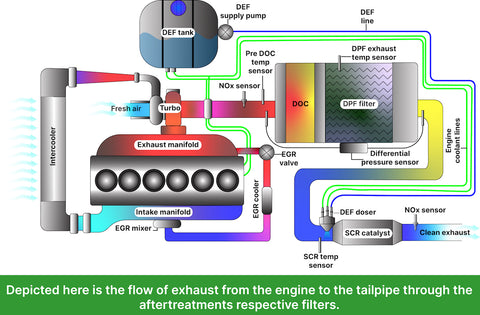
Modern diesel trucks usually contain several emissions components working together.
Here is the typical order:
This is the first catalytic converter in most systems.
It reduces hydrocarbons and carbon monoxide.
It also helps increase exhaust temperature, which supports other emissions devices.
The DPF captures soot particles.
It stores soot and later burns it off through regeneration.
SCR uses Diesel Exhaust Fluid (DEF) to reduce nitrogen oxides.
It converts NOx into nitrogen and water vapor.
Together, these parts create a full exhaust cleaning system.
Here is the process in everyday terms.
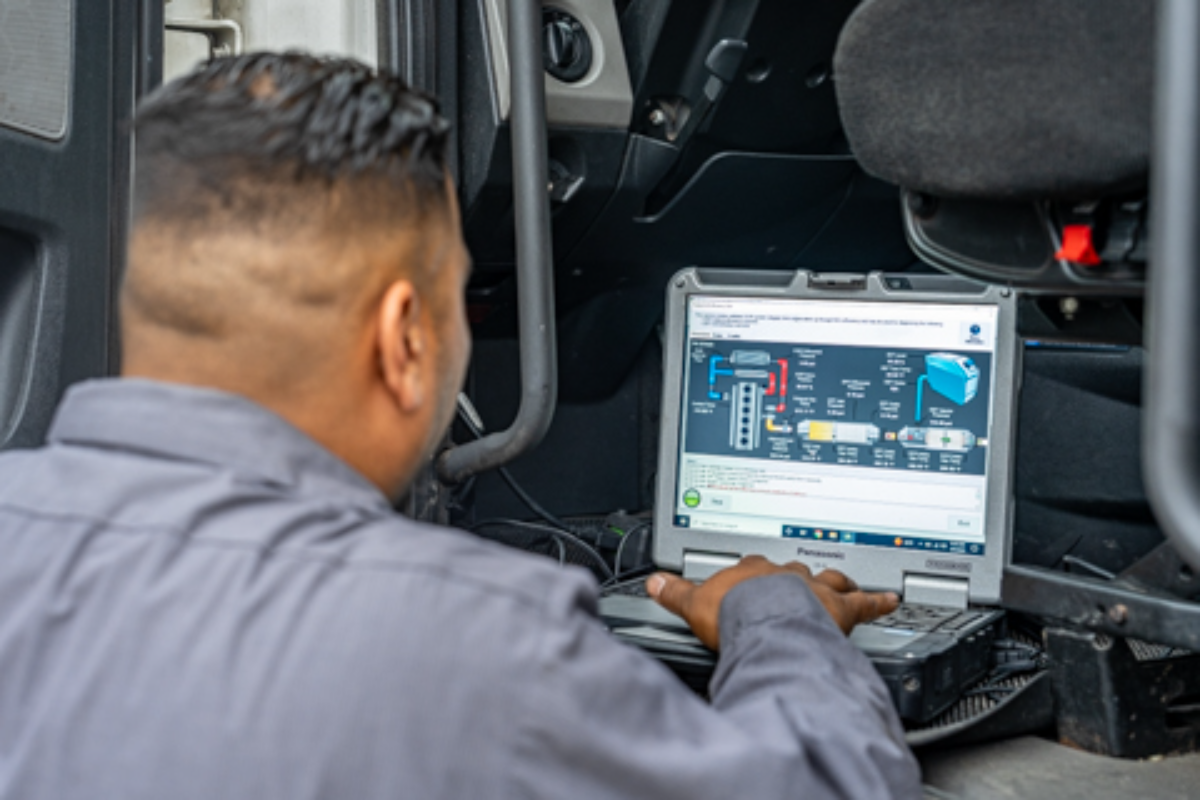
First, exhaust gas leaves the engine.
It contains pollutants produced during fuel combustion.
Next, the gas enters the catalytic converter.
The honeycomb structure creates a large surface area.
The precious metal coating triggers chemical reactions when gases touch the surface.
Heat plays a major role.
Converters usually need temperatures above about 250°C to work efficiently.
Once the gases pass through, they are significantly cleaner.
This happens automatically.
Drivers do not need to operate the system manually.
Fleet buyers usually focus on reliability, cost, and compliance.
Catalytic converters affect all three.
Canada and the United States enforce strict emissions rules.
Non-compliant equipment can lead to heavy penalties or vehicle downtime.
Proper aftertreatment systems help fleets meet government standards.
When converters become clogged or damaged, exhaust flow is restricted.
That creates backpressure.
Backpressure forces engines to work harder.
That can increase fuel consumption and reduce power.
Higher-quality converters often last longer and handle heat stress better.
Cheaper units may reduce purchase cost upfront.
But they can increase maintenance expenses later.
Many fleet operators focus on total lifecycle cost instead of purchase price alone.
Understanding failures helps fleets prevent them.
Some of the most common causes include:
Excessive soot buildup from poor engine combustion
Oil contamination entering the exhaust system
Thermal damage from overheating
Physical vibration or installation problems
Regular maintenance checks and proper engine tuning reduce these risks.
Here are practical evaluation tips I often recommend.
Converters should meet North American emissions standards.
High-grade ceramic or metal substrates resist cracking and heat damage.
Reliable suppliers provide filtration efficiency and durability testing results.
Strong supplier support helps fleets resolve issues faster.
Consistent inventory reduces downtime risk.
Emissions regulations are becoming stricter across North America.
New truck models continue to improve emissions technology.
But diesel engines are still widely used in freight, construction, and long-haul transport.
That means aftertreatment systems will remain essential for years to come.
Understanding how catalytic converters work helps fleet buyers choose reliable components and reduce long-term operational risk.
Exhaust aftertreatment systems may seem complex at first.
But the concept is simple.
They clean exhaust gases before they reach the environment.
Catalytic converters play a key role in that process.
They transform harmful pollutants into safer gases using heat and chemical reactions.
For fleet buyers, better knowledge leads to better purchasing decisions.
And better purchasing decisions usually lead to lower maintenance costs and fewer compliance problems.


