
Through advanced filtration technology and high - quality materials, we ensure that our DPFs meet the most stringent environmental standards helping to improve air quality and protect the environment.
Through advanced filtration technology and high - quality materials, we ensure that our DPFs meet the most stringent environmental standards helping to improve air quality and protect the environment.

When fleet buyers compare DPF systems, price and availability usually come first.
But one factor often decides long-term performance.
That factor is material technology.
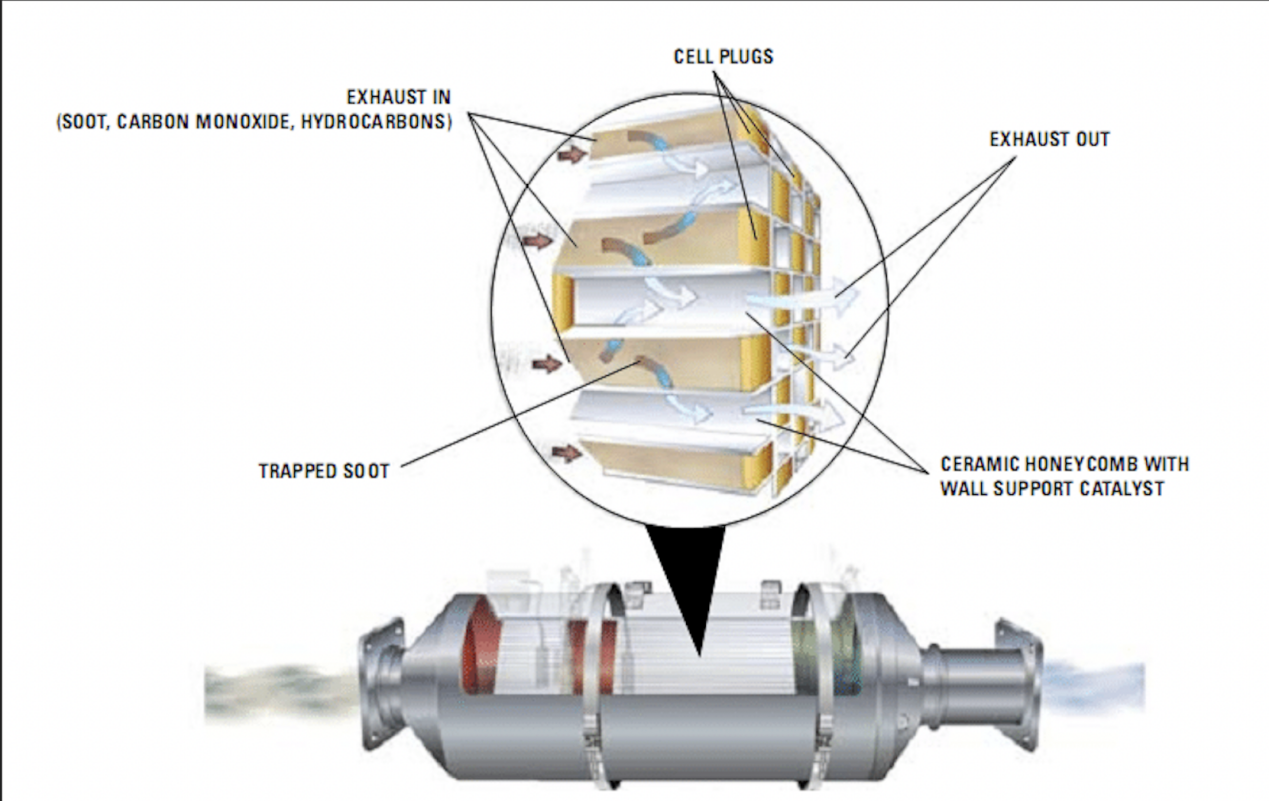
The Diesel Particulate Filter (DPF) is built from advanced ceramic materials.
These materials must survive extreme heat, vibration, and chemical exposure.
They also work closely with catalytic converters that control emissions gases.
If the material fails, the entire aftertreatment system can fail.
For fleets operating across Canada and North America, material selection directly affects uptime, maintenance cost, and emissions compliance.
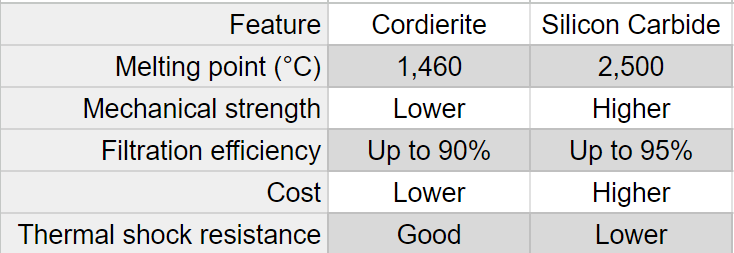
DPF filters are made from advanced ceramics.
Two materials dominate the heavy-duty truck market.
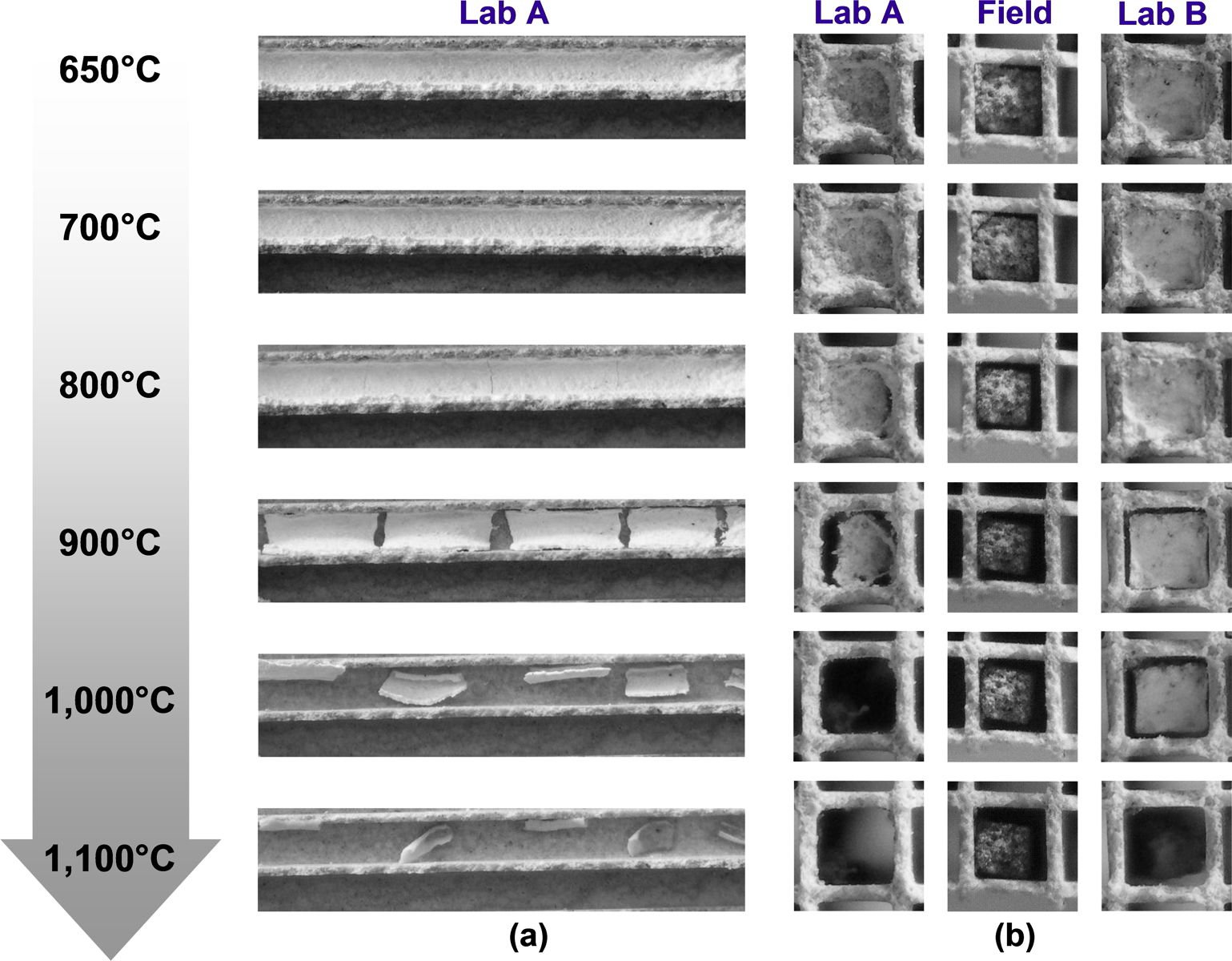
Here is a fleet-focused comparison.
Feature | Cordierite | Silicon Carbide (SiC) |
Cost | Lower upfront cost | Higher upfront cost |
Heat Resistance | Moderate | Very high |
Thermal Shock Resistance | Lower | Excellent |
Filtration Efficiency | Very good | Very good |
Regeneration Durability | Moderate | Excellent |
Weight | Lightweight | Slightly heavier |
Best Application | Regional and moderate duty fleets | Heavy-duty, long-haul, severe duty fleets |
Cleaning Lifespan | Moderate cycles | Longer cleaning lifespan |
Catalytic converters rely on a different but related material design.
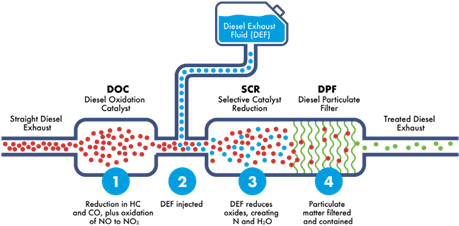
Instead of trapping soot, catalysts create chemical reactions.
Inside catalytic converters:
Honeycomb substrates provide large surface area
Precious metal coatings trigger chemical reactions
Heat activates emission reduction processes
Common catalytic metals include:
Platinum
Palladium
Rhodium
These coatings allow the DOC and SCR systems to reduce gases and support DPF regeneration.
DPF and catalyst materials must survive extreme temperature cycles.
Normal operation includes:
Cold winter engine start
Rapid temperature increase during regeneration
Repeated heating and cooling cycles
Canadian fleets experience this stress more than many regions.
Cold weather slows exhaust heating.
But regeneration cycles still require extremely high temperatures.
Poor material quality can cause:
Cracking
Melting
Catalyst coating damage
Reduced filtration efficiency
Many aftertreatment failures are linked to thermal stress rather than mechanical damage.
Fleet buyers often focus on purchase price.
Material durability affects total lifecycle cost much more.
Higher-quality materials often lead to:
Longer DPF service intervals
Fewer regeneration failures
Lower cleaning frequency
Reduced downtime risk
Lower-quality materials may cost less initially but fail sooner under thermal stress.
That usually increases long-term operating costs.
Here is a simple checklist fleet buyers can use.
Look for material testing results that confirm resistance to high regeneration temperatures.
Higher efficiency reduces soot emissions and protects downstream components.
Materials must resist cracking caused by vibration and temperature expansion.
Catalyst coatings must remain active over long mileage intervals.
Quality filters should support multiple cleaning cycles without losing strength.
Material engineering continues to improve.
New designs focus on:
Improved thermal conductivity
Better resistance to ash buildup
Enhanced catalyst coating durability
Lightweight high-strength ceramic structures
These improvements help fleets meet stricter emissions regulations while reducing maintenance costs.
DPF material technology directly affects fleet reliability.
Cordierite offers cost efficiency.
Silicon carbide offers superior thermal durability.
Understanding soot versus ash helps maintenance teams extend filter lifespan.
Using durability scorecards helps buyers select stronger components.
Selecting materials designed for cold climates improves regeneration success.
For Canadian fleets, thermal stress is the real long-term challenge.
Choosing the right material is often the difference between predictable maintenance and repeated system failures.


