
Through advanced filtration technology and high - quality materials, we ensure that our DPFs meet the most stringent environmental standards helping to improve air quality and protect the environment.
Through advanced filtration technology and high - quality materials, we ensure that our DPFs meet the most stringent environmental standards helping to improve air quality and protect the environment.

If you manage trucks or heavy equipment, emissions rules probably feel like they are always changing.
And honestly, they are.
Governments worldwide are tightening regulations to reduce air pollution and greenhouse gas emissions. These rules affect how engines are built, how trucks operate, and how fleets manage maintenance.
Even if your fleet operates only in Canada or North America, global emissions standards still matter. Many engine and vehicle manufacturers build equipment for worldwide markets. When regulations change in Europe or Asia, those changes often influence equipment sold in North America.
For fleet buyers, understanding global compliance trends helps protect long-term equipment investment and avoid unexpected regulatory surprises.
According to data from the U.S. Environmental Protection Agency, modern heavy-duty diesel engines produce more than 90% fewer particulate and nitrogen oxide emissions than engines built several decades ago.
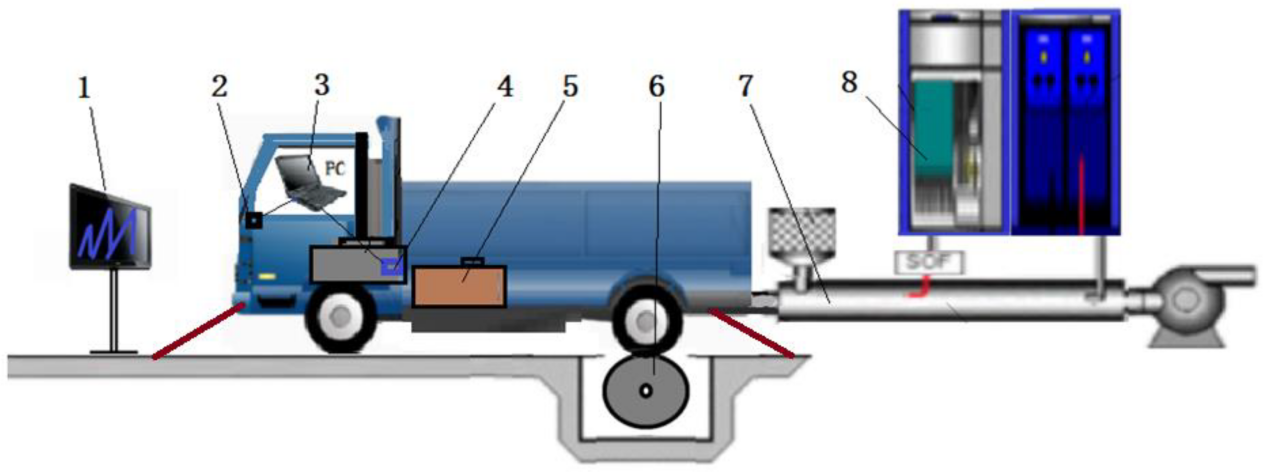
Several major regulatory systems influence global emissions technology.
These agencies regulate emissions for on-road trucks and off-road equipment. They focus on reducing nitrogen oxides and particulate emissions while improving real-world performance testing.
European regulations, including upcoming Euro 7 rules, are often considered global technology drivers. They require emissions systems to perform reliably in real-world driving conditions, including cold starts and urban traffic.
China and India have introduced increasingly strict emissions rules that closely match European standards. These markets are major drivers of global engine and catalyst development.
One of the biggest changes in emissions compliance is the shift from laboratory testing to real-world monitoring.
Modern regulations now require emissions systems to perform under everyday operating conditions.
This includes:
Stop-and-go city driving
Heavy load operation
Cold weather environments
Highway driving
To meet these requirements, manufacturers are adding advanced sensors and monitoring systems. Many fleets now use telematics and predictive diagnostics to track emissions performance.
This technology helps fleets detect problems earlier and reduce unexpected downtime.
Global emissions standards are increasing durability requirements for catalytic converters.
New catalyst designs focus on:
Faster cold-start activation
Improved chemical conversion efficiency
Reduced precious metal usage
Longer service lifespan
Cold-start emissions control is especially important in Canadian climates, where vehicles often operate in freezing temperatures.
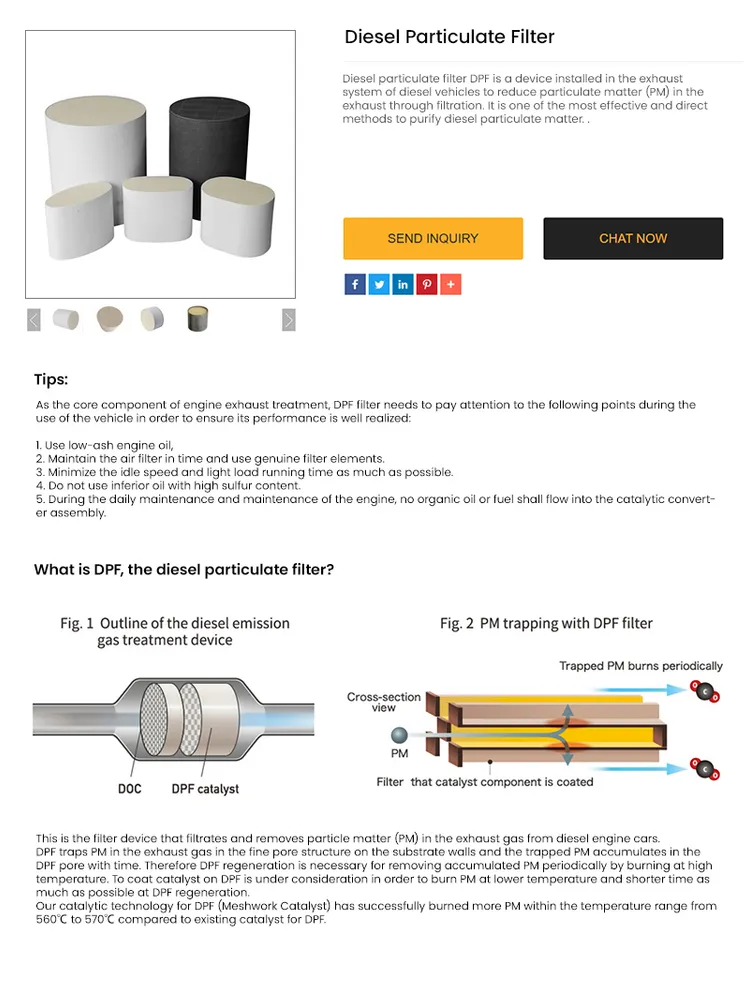
New global standards require filters to capture smaller particles while maintaining airflow efficiency.
This is driving innovation in DPF design, including:
Higher cell density filter structures
Improved ceramic substrate materials
Enhanced thermal cracking resistance
More reliable regeneration control
These improvements help fleets extend filter lifespan and reduce maintenance costs.
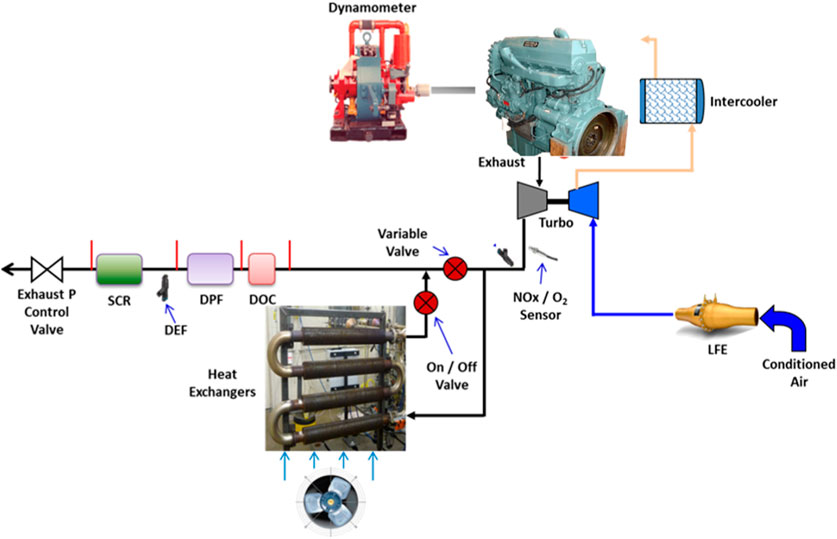
Manufacturers are increasingly combining DOC, DPF, and SCR components into integrated modules.
Integrated systems provide:
Better heat retention
Reduced system weight
Improved airflow efficiency
Simplified maintenance access
These designs help vehicles meet stricter emissions limits while improving reliability.
Canadian fleets operate in one of the most challenging environments for emissions systems.
Cold weather increases:
Soot production
Regeneration difficulty
Catalyst warm-up time
Sensor and wiring failure risk
Many global emissions innovations are focused specifically on improving performance in cold climates.
For Canadian fleet buyers, equipment durability during winter operation is becoming a major purchasing consideration.
Stricter emissions rules are often seen as regulatory pressure.
But they are also driving improvements in fuel efficiency, maintenance planning, and system reliability.
Fleets that adopt advanced emissions technology often experience lower lifecycle operating costs.
Region | Regulation | Primary Focus | Technology Impact |
North America | EPA / Environment Canada | NOx reduction and particulate control | Advanced SCR and DPF systems |
Europe | Euro 6 / Euro 7 | Real-world emissions performance | Faster catalyst activation and stronger monitoring |
China | China VI | Strict particulate and NOx limits | High-efficiency filtration and sensor expansion |
India | Bharat Stage VI | Alignment with European standards | Improved catalyst coatings and regeneration systems |
All major standards are moving toward:
✔ Real-world emissions monitoring
✔ Stronger durability requirements
✔ Cold-start emissions control
✔ Predictive maintenance monitoring
Global emissions compliance trends are reshaping diesel engine and catalytic converter technology.
Modern DOC, DPF, and SCR systems are cleaner, smarter, and more durable than ever before.
For Canadian and North American fleets, understanding these global trends helps guide smart equipment purchasing and long-term maintenance planning.
Emissions compliance is no longer just about meeting regulations.
It is about improving reliability, reducing downtime, and controlling total operating cost.
And in today’s fleet industry, staying ahead of compliance trends is often the difference between reacting to change and leading through it.


