
Through advanced filtration technology and high - quality materials, we ensure that our DPFs meet the most stringent environmental standards helping to improve air quality and protect the environment.
Through advanced filtration technology and high - quality materials, we ensure that our DPFs meet the most stringent environmental standards helping to improve air quality and protect the environment.

Diesel engines are not disappearing anytime soon.
That surprises some people.
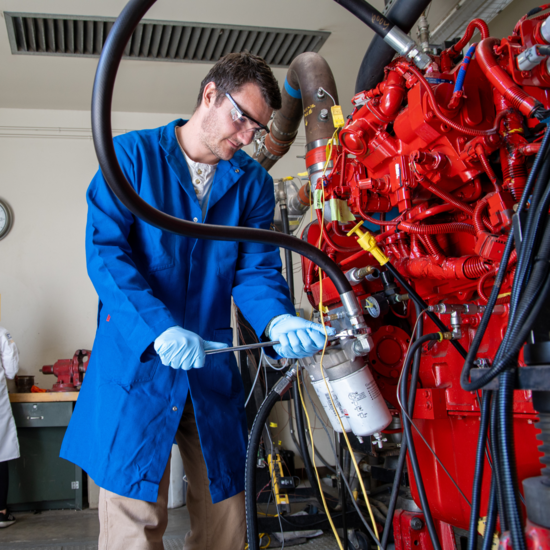
Across Canada and North America, diesel still powers long-haul trucking, construction equipment, forestry fleets, mining operations, and municipal services. Diesel remains popular because it delivers strong torque, fuel efficiency, and durability.
But emissions rules continue getting stricter.
And that is pushing major changes in diesel aftertreatment systems.
Diesel aftertreatment refers to the equipment that cleans exhaust gases before they leave the vehicle.
Catalytic converters and Diesel Particulate Filters (DPFs) sit at the center of this technology.
For fleet buyers, understanding where this technology is going helps guide long-term equipment and supplier decisions.
One of the biggest innovations involves substrate materials inside DPF filters.
Traditional filters often use cordierite ceramic material.
Newer filters increasingly use silicon carbide and hybrid ceramic designs.
These newer materials provide:
Higher heat resistance
Better thermal shock protection
Longer cleaning lifespan
Improved durability under heavy load conditions
This matters especially for Canadian fleets where cold starts and sudden temperature changes create extreme stress inside filters.
Stronger materials reduce cracking and extend service intervals.
Catalytic converters rely on precious metal coatings that trigger chemical reactions.
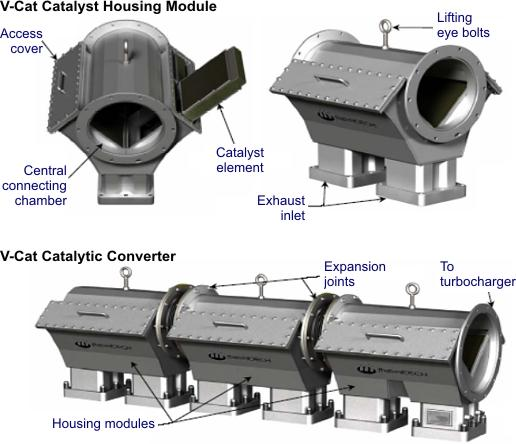
Future catalyst designs focus on:
Improved heat activation efficiency
Reduced precious metal usage
Longer chemical durability
Faster cold-start performance
Cold-start performance is especially important in Canadian winters.
Most emissions occur before the engine reaches operating temperature.
Better coatings allow catalysts to begin cleaning exhaust earlier, reducing soot buildup and emissions spikes.
Future aftertreatment systems rely heavily on advanced monitoring.
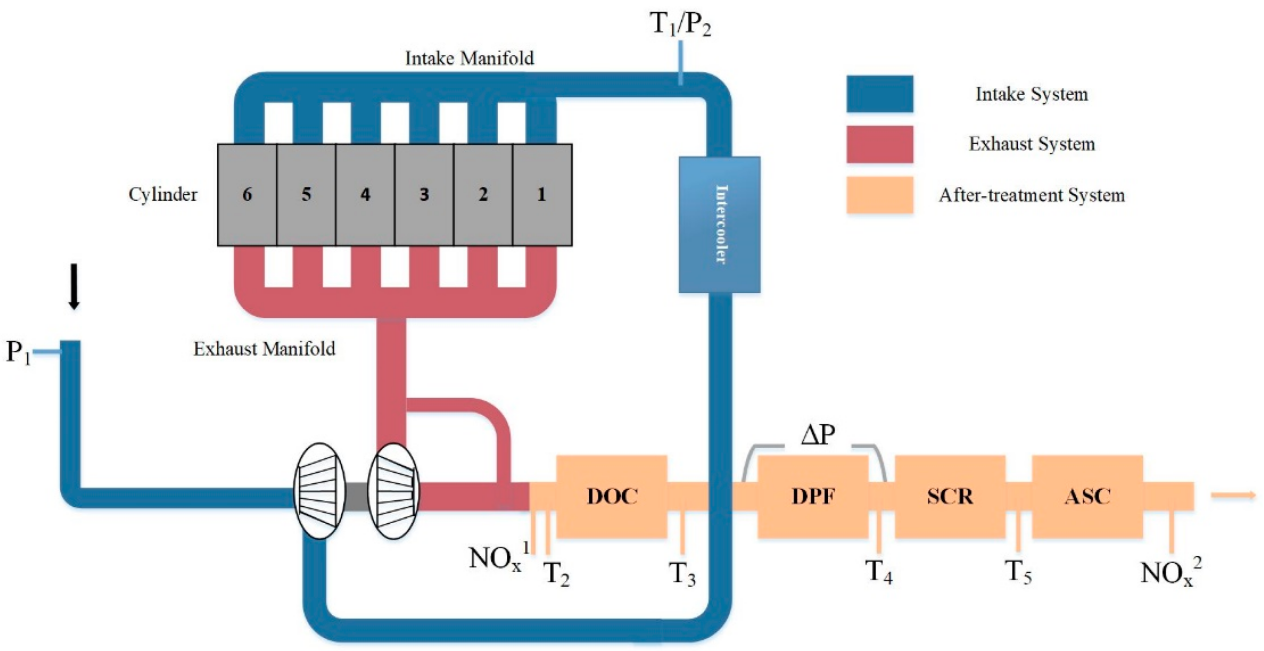
New sensor and control technologies help:
Predict soot buildup earlier
Improve regeneration timing
Prevent thermal cracking
Reduce unnecessary maintenance
Modern fleets increasingly use telematics and remote diagnostics to monitor emissions system health.
For fleet buyers, this means maintenance may become more predictive instead of reactive.
Predictive maintenance reduces downtime and improves fleet planning.
Future diesel systems are moving toward integrated designs.

Instead of separate components, manufacturers are combining DOC, DPF, and SCR into single modules.
Benefits include:
Reduced system weight
Improved heat efficiency
Simplified installation
Better emissions performance consistency
Integrated systems also improve airflow and reduce potential leak points.
Cold climate emissions performance is becoming a larger design priority.
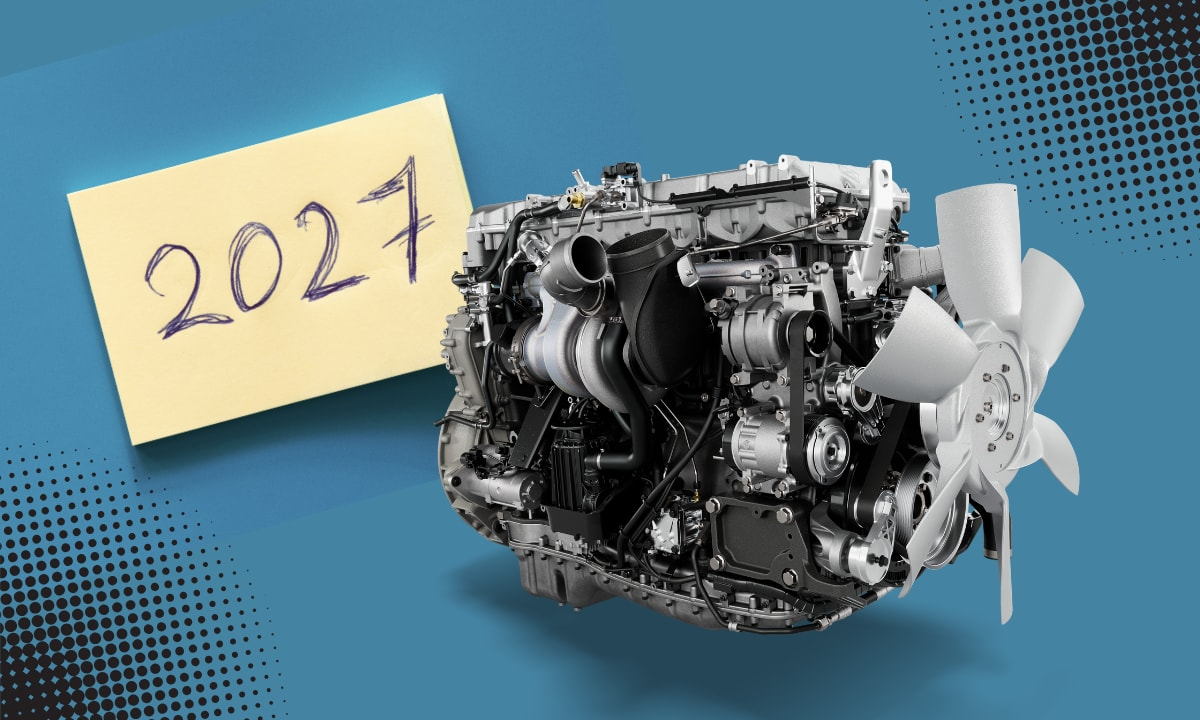
Canadian fleets operate in some of the harshest conditions for emissions systems.
Future technology improvements focus on:
Faster catalyst warm-up
Improved regeneration reliability
Better moisture and condensation protection
Enhanced sensor durability in freezing temperatures
Manufacturers increasingly test emissions systems specifically for northern operating environments.
Battery-electric and hydrogen technologies are expanding, especially in urban environments.
However, according to industry projections from organizations like the International Energy Agency, diesel is expected to remain a major power source for heavy-duty transport, construction, and mining for many years because of energy density and infrastructure limitations.
This means aftertreatment technology will continue evolving rather than disappearing.
Fleet buyers planning long-term equipment investments should monitor several key performance areas.
Stronger materials and coatings reduce maintenance costs.
Advanced monitoring reduces downtime risk.
Systems must operate reliably in winter environments.
Improved packaging reduces weight and improves emissions control.
Choosing suppliers focused on future-ready technology helps protect fleet investment.
Diesel aftertreatment systems are evolving quickly as emissions standards tighten and fleet reliability expectations grow.
Catalytic converters and DPF systems will remain essential components in heavy-duty diesel equipment.
But future systems will be stronger, smarter, and more efficient.
For Canadian fleets, cold climate performance and thermal durability will continue driving innovation.
The future of diesel aftertreatment is not just about meeting environmental rules.
It is about building emissions systems that improve uptime, reduce lifecycle costs, and support long-term fleet productivity.
And for fleet buyers, understanding these trends today helps prepare for tomorrow’s equipment decisions.


