
Through advanced filtration technology and high - quality materials, we ensure that our DPFs meet the most stringent environmental standards helping to improve air quality and protect the environment.
Through advanced filtration technology and high - quality materials, we ensure that our DPFs meet the most stringent environmental standards helping to improve air quality and protect the environment.

A Diesel Particulate Filter (DPF) is designed to fit precisely into a vehicle's exhaust aftertreatment system. Even a high-quality filter can create installation problems if its dimensions, mounting points, or sensor locations differ from the original equipment (OE) design.
For fleet operators, poor fitment can mean longer repair times and unexpected downtime. For aftermarket distributors, it often leads to costly product returns and warranty claims. For OEM engineers, accurate fitment is essential to maintain emissions compliance and system durability.
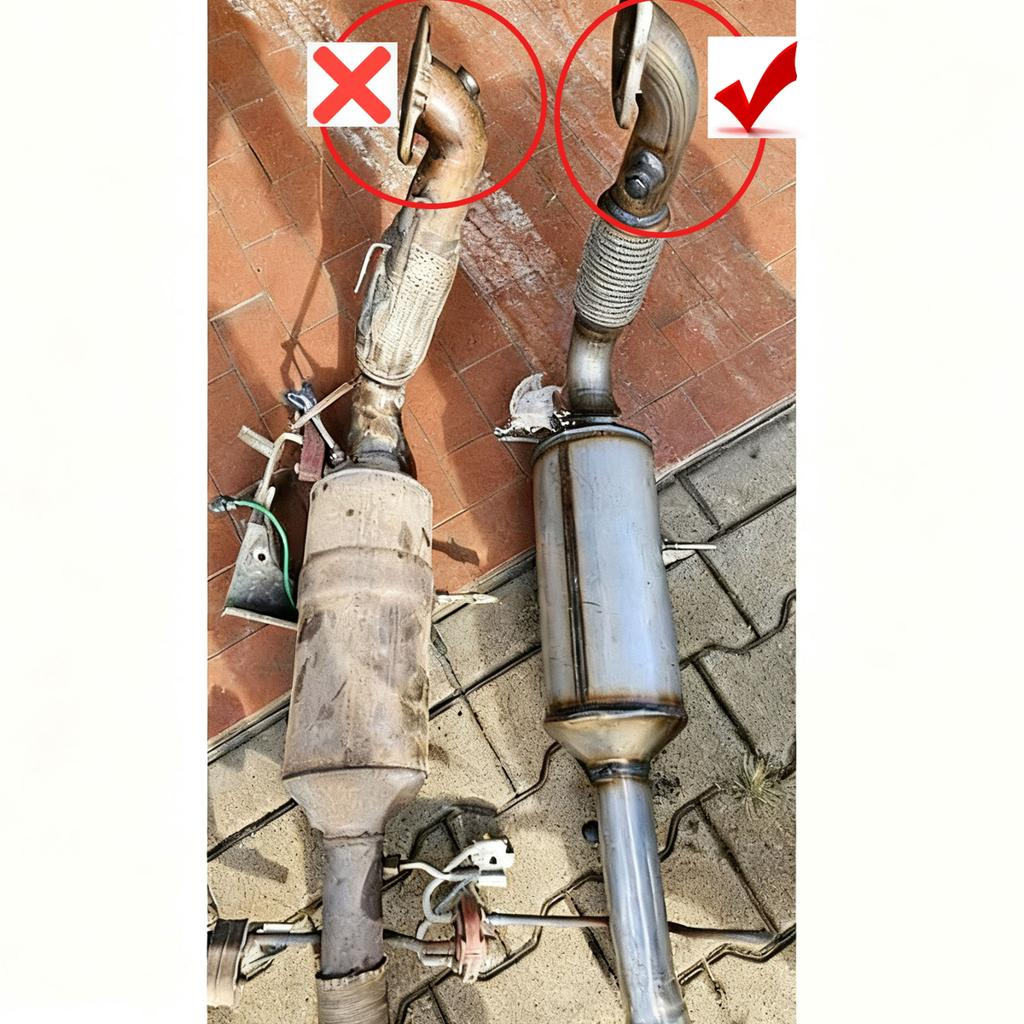
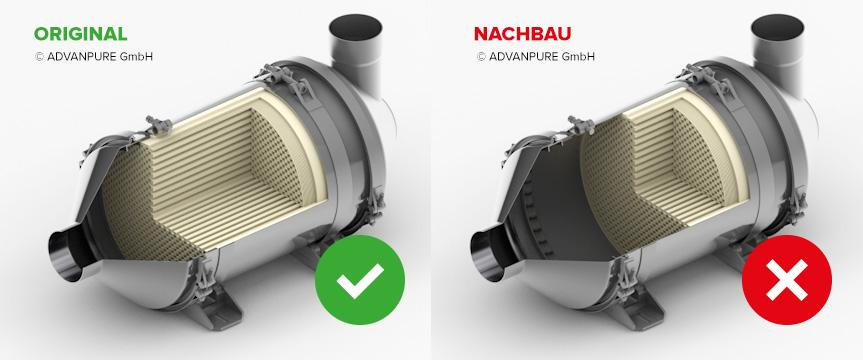
Many people think fitment simply means the DPF can be installed.
In reality, a correctly fitted DPF must also maintain:
· Proper exhaust sealing
· Correct sensor positioning
· Accurate thermal expansion clearance
· Stable exhaust flow
· Original mounting geometry
Even small dimensional differences can create installation challenges or long-term reliability issues.
Typical problems caused by poor fitment include:
· Exhaust leaks
· Misaligned brackets
· Sensor installation errors
· Excessive vibration
· Increased installation time
· Premature component failure
For commercial fleets, every extra hour in the workshop increases operating costs.
Every fitment program begins with accurate reference data.
Manufacturers compare:
· OE part numbers
· Cross-reference numbers
· Engine family
· Vehicle platform
· Emission certification level
· Production year
Incorrect cross-references remain one of the leading causes of aftermarket returns.
Maintaining an accurate application database is the foundation of reliable fitment.
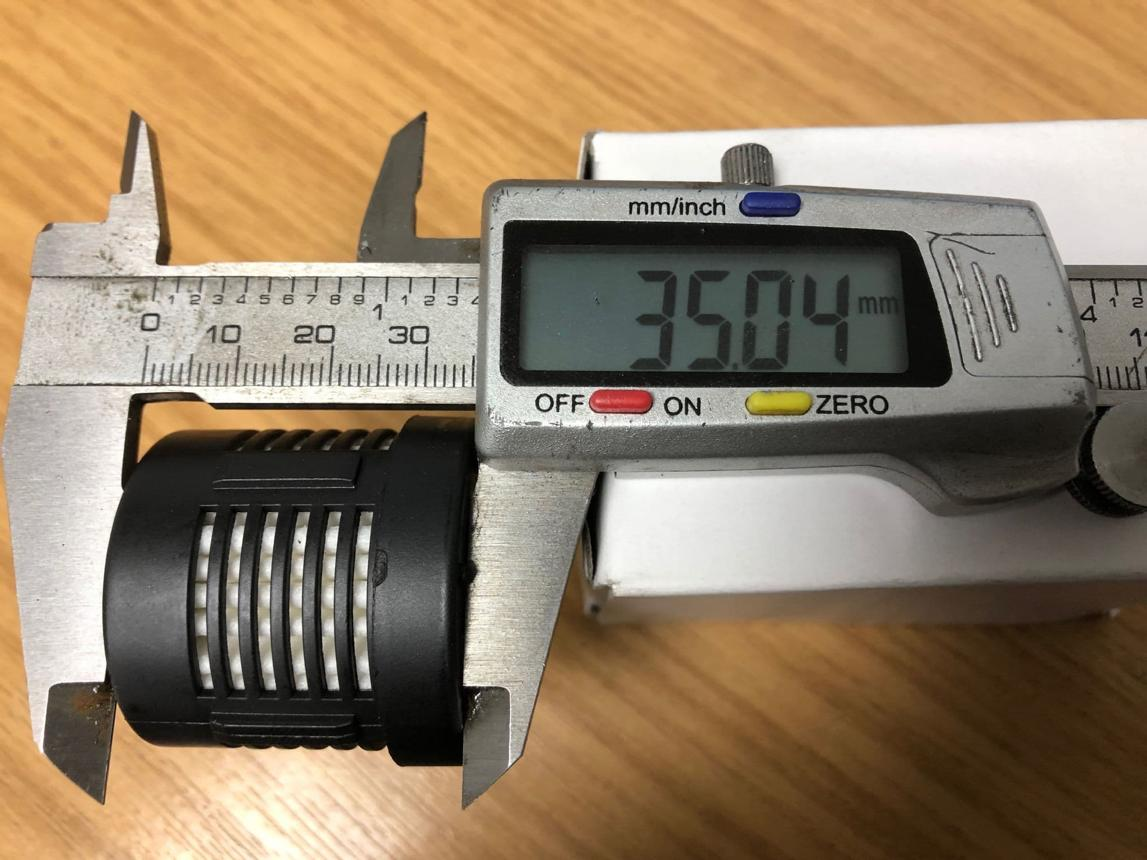
Critical dimensions are measured and compared with OE specifications.
Typical measurements include:
· Overall length
· Outside diameter
· Inlet location
· Outlet location
· Flange angle
· Sensor port position
· Mounting bracket location
· Heat shield dimensions
Modern production facilities often use:
· Coordinate Measuring Machines (CMM)
· Laser scanners
· Digital measuring systems
· Precision fixtures
Even differences of only a few millimeters can complicate installation.
A DPF is only one part of the installation.
Manufacturers also verify:
· Clamps
· Gaskets
· V-band connections
· Bolts
· Brackets
· Flexible joints
Missing or incorrect hardware can delay repairs and increase labor costs.
Providing complete installation kits simplifies the replacement process and improves customer satisfaction.
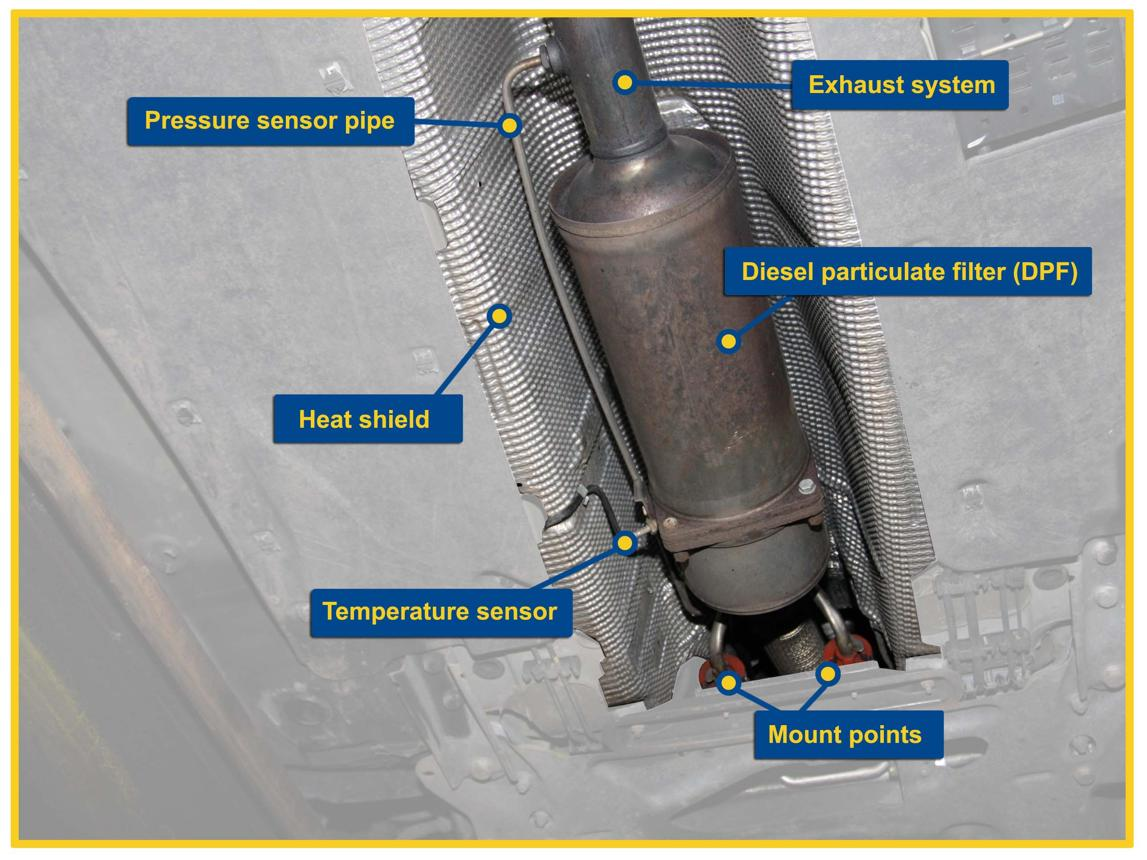
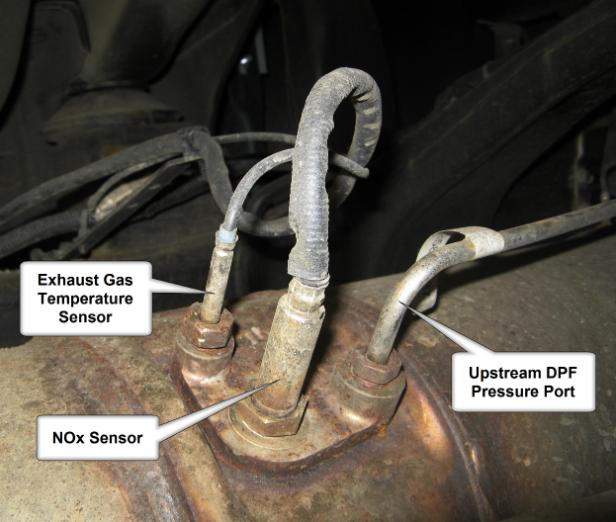
Modern diesel aftertreatment systems rely on multiple sensors.
Typical sensor locations include:
· Differential pressure sensors
· Exhaust gas temperature (EGT) sensors
· NOx sensors (depending on system design)
· Oxygen sensors (on some applications)
Improper sensor alignment can lead to:
· Diagnostic trouble codes (DTCs)
· Incorrect regeneration strategies
· Poor emissions performance
· Engine derate conditions
Accurate port positioning helps maintain normal engine control system operation.
Engineering verification does not stop with measurements.
Many manufacturers perform physical installation tests using:
· OE exhaust assemblies
· Vehicle mock-ups
· Production fixtures
· Actual trucks or engines
Engineers verify:
· Installation clearance
· Bracket alignment
· Sensor access
· Heat shield spacing
· Exhaust routing
This practical validation confirms that the replacement part installs smoothly in real-world conditions.
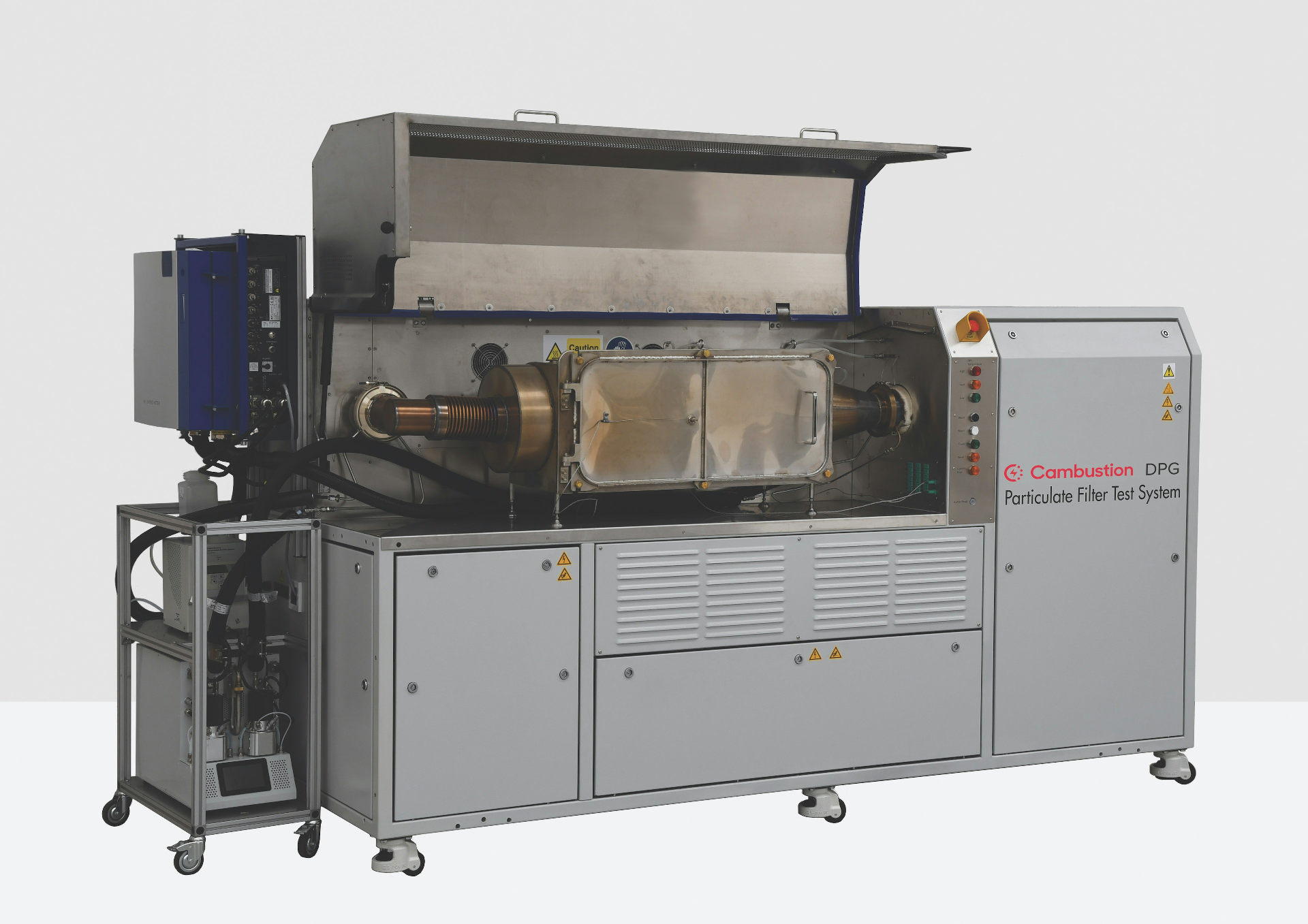
Proper fitment also includes airflow performance.
Testing evaluates:
· Pressure drop
· Flow uniformity
· Internal restriction
· Exhaust leakage
Maintaining airflow characteristics similar to the OE component supports:
· Proper turbocharger operation
· Stable regeneration
· Fuel efficiency
· Engine performance
Fitment is therefore both a mechanical and functional requirement.
After a design is approved, manufacturers must ensure every production unit matches the validated sample.
Quality control typically includes:
· Batch dimensional inspections
· Welding verification
· Fixture checks
· Statistical process control
· Final inspection before shipment
Consistent manufacturing reduces variation and helps distributors receive reliable products over multiple production runs.
Even experienced suppliers can encounter fitment issues if verification is incomplete.
Common causes include:
· Incorrect OE cross-reference data
· Dimensional variation during production
· Poor welding accuracy
· Misaligned sensor ports
· Incomplete installation hardware
· Inadequate production quality control
A structured verification process minimizes these risks before products reach the field.
DPF fitment verification is far more than checking whether a replacement filter fits between two exhaust pipes. It is a comprehensive engineering process that combines OE reference validation, precision measurement, hardware verification, sensor alignment, installation testing, airflow evaluation, and ongoing production quality control.
For fleet operators, this means less downtime and more dependable repairs. For distributors, it translates into lower return rates, fewer warranty claims, and stronger customer satisfaction. For OEM engineers, it ensures replacement components maintain the integrity of the original aftertreatment system. Investing in thoroughly verified DPFs helps improve installation efficiency, emissions performance, and long-term reliability across the entire vehicle lifecycle.


