
Through advanced filtration technology and high - quality materials, we ensure that our DPFs meet the most stringent environmental standards helping to improve air quality and protect the environment.
Through advanced filtration technology and high - quality materials, we ensure that our DPFs meet the most stringent environmental standards helping to improve air quality and protect the environment.

A Diesel Particulate Filter (DPF) works in one of the toughest environments on a diesel engine. It must withstand extreme temperatures, continuous vibration, soot accumulation, thermal cycling, and thousands of regeneration events—all while maintaining high filtration efficiency and low exhaust backpressure.
Because of these demanding conditions, quality inspection is just as important as the manufacturing process itself.
For fleet operators, thorough inspection reduces unexpected failures and vehicle downtime. For aftermarket distributors, it lowers return rates and warranty claims. For OEM engineers, it ensures every DPF meets strict durability and emissions requirements.
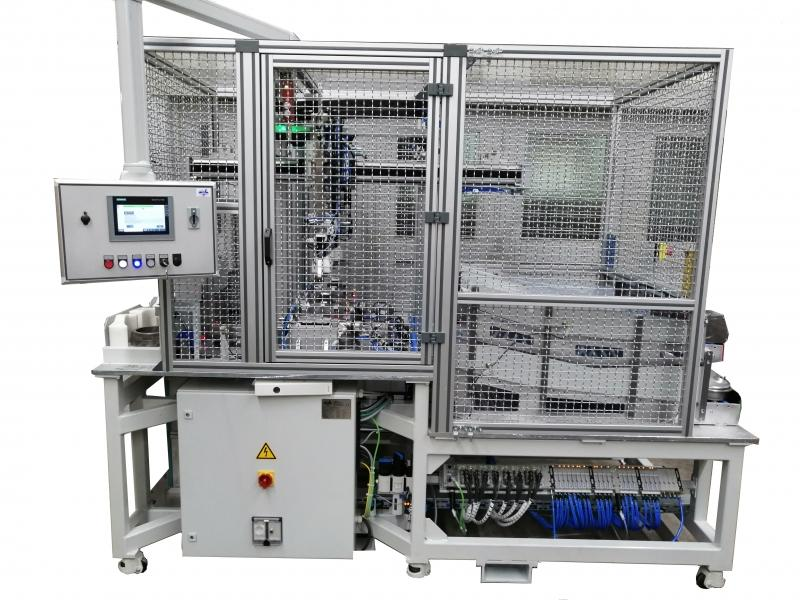
A DPF is more than a replacement part—it is a precision-engineered emission control component.
Even a small defect can lead to:
· Increased exhaust backpressure
· Poor regeneration performance
· Ceramic cracking
· Installation problems
· Exhaust leakage
· Reduced service life
Without proper inspection, these issues may not become visible until the filter is already installed, resulting in costly repairs and customer dissatisfaction.
Rigorous quality control helps manufacturers identify problems before products leave the factory.
Quality inspection typically covers four major areas:
Raw Materials
↓
Dimensional Accuracy
↓
Assembly Integrity
↓
Performance Verification
Each stage contributes to the overall durability and reliability of the finished filter.
Quality begins before production starts.
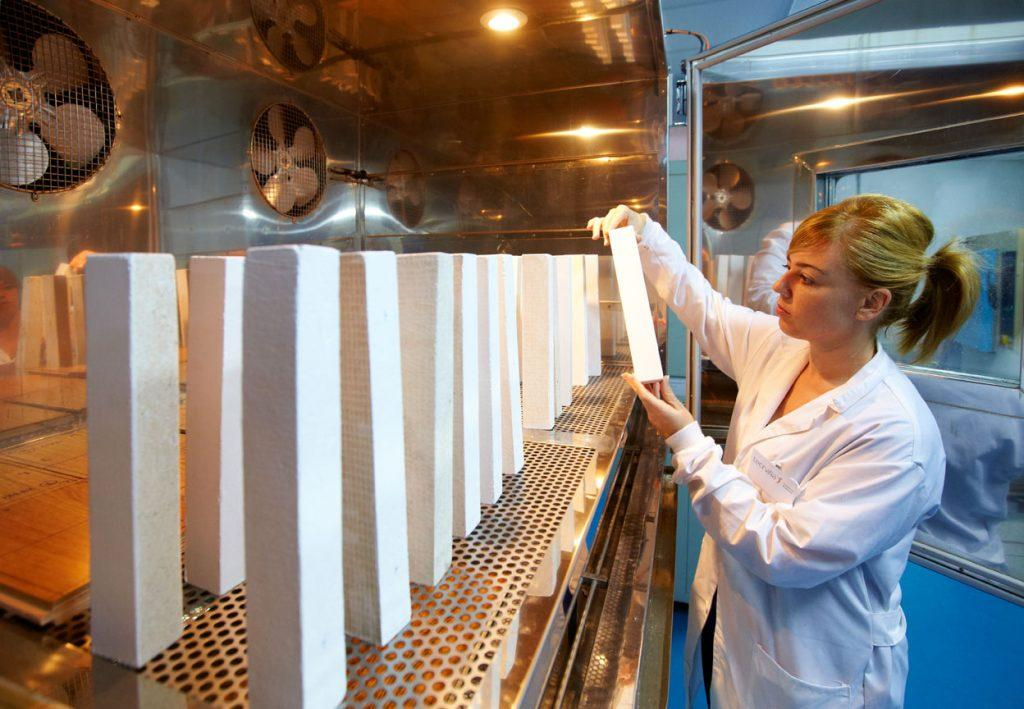
Manufacturers inspect incoming materials such as:
· Ceramic substrates
· Stainless steel housings
· Mounting mats
· Catalyst materials
· Sensor bosses and flanges
· Welding materials
Typical checks include:
· Material composition
· Density
· Surface defects
· Dimensional consistency
· Supplier certification
Using high-quality raw materials helps reduce variation during production and improves long-term durability.
The ceramic substrate performs the actual filtration.
It must be free from structural defects.
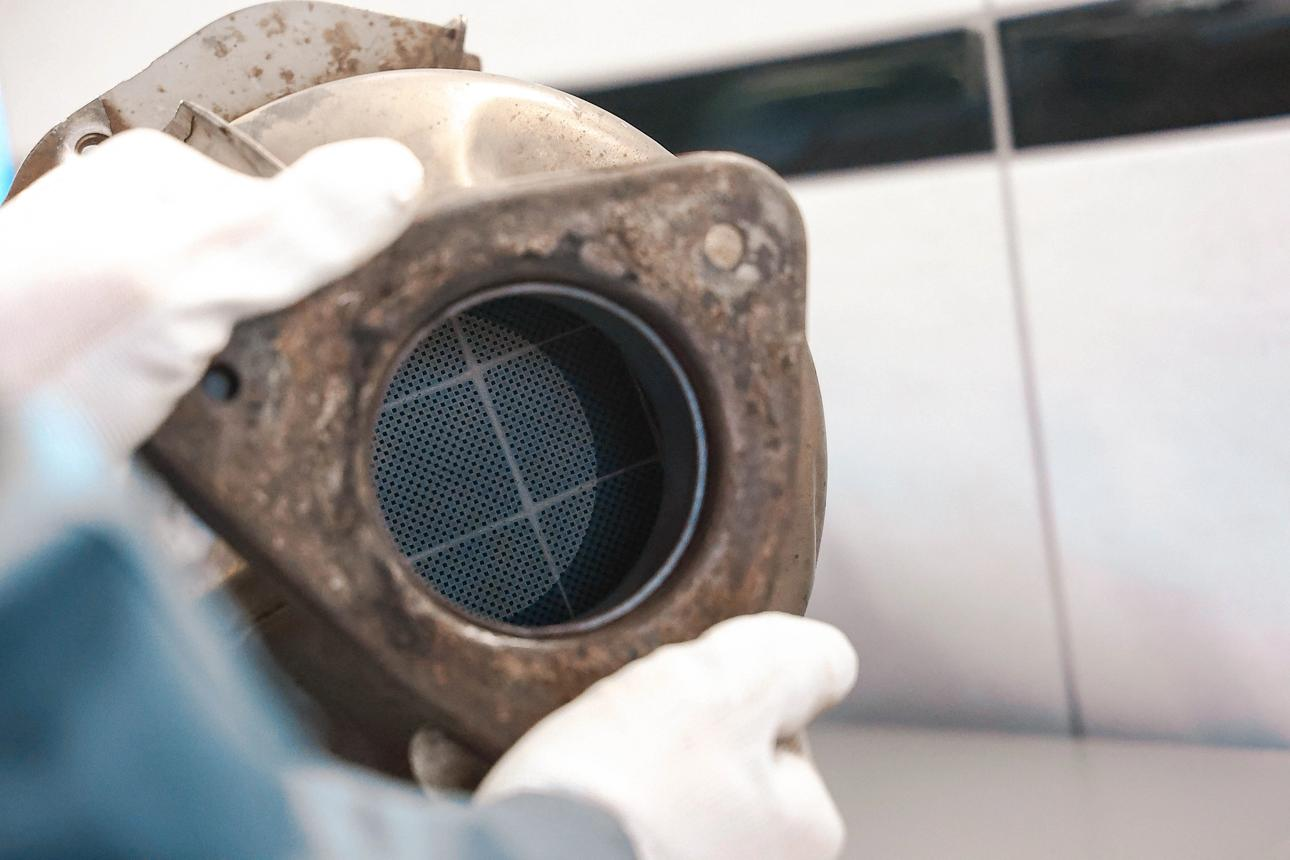
Inspectors examine:
Checks include:
· Uniform channel size
· Straight channel alignment
· Consistent wall thickness
The substrate is inspected for:
· Chips
· Cracks
· Edge damage
· Blocked channels
Even minor damage can reduce filtration efficiency or create localized thermal stress during regeneration.
Many DPFs use catalytic coatings to improve passive regeneration.
The coating process must remain consistent across the entire substrate.
Typical inspections verify:
· Uniform coating distribution
· Correct catalyst loading
· Coating adhesion
· Surface coverage
Uneven catalyst application may lead to inconsistent soot oxidation and uneven regeneration temperatures.
One of the most common causes of aftermarket returns is poor fitment.
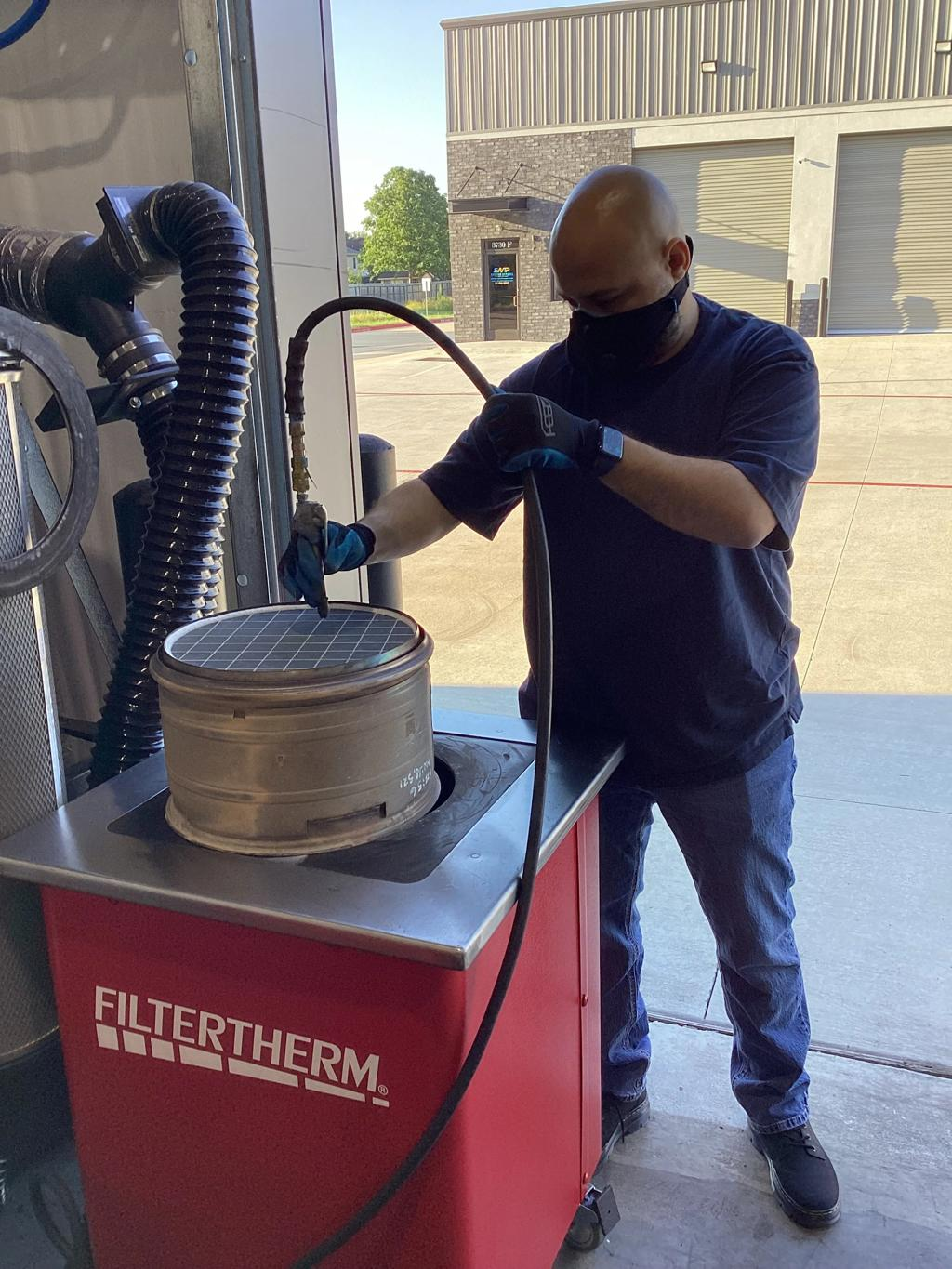
Manufacturers measure critical dimensions including:
· Overall length
· Outside diameter
· Inlet and outlet locations
· Flange geometry
· Sensor port position
· Mounting bracket alignment
Modern facilities often use:
· Coordinate Measuring Machines (CMM)
· Digital calipers
· Laser measurement systems
· Precision fixtures
Maintaining OE-level dimensional accuracy reduces installation problems and helps distributors minimize returns.
The stainless-steel housing protects the ceramic substrate and must remain leak-free throughout the filter's service life.
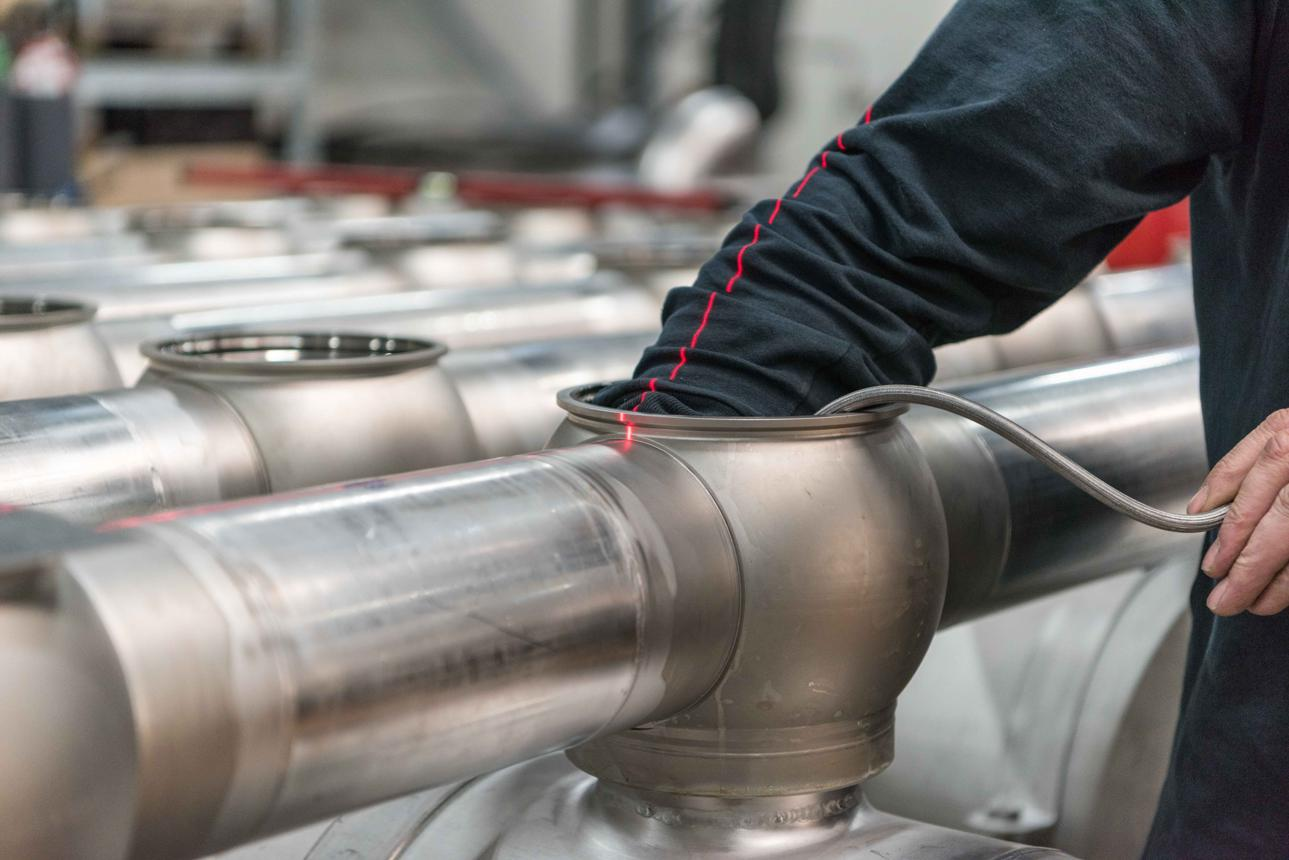
Inspectors evaluate:
· Weld penetration
· Weld consistency
· Surface finish
· Distortion
· Porosity
· Cracks
Poor welding can cause exhaust leaks, increased noise, and premature product failure.
After assembly, manufacturers verify that the housing is completely sealed.
Typical methods include:
Compressed air detects housing leaks.
Used in some advanced production environments for higher sensitivity.
Measures pressure loss over time to identify small leaks.
Leak-free housings ensure all exhaust gases pass through the filter media rather than bypassing the ceramic substrate.
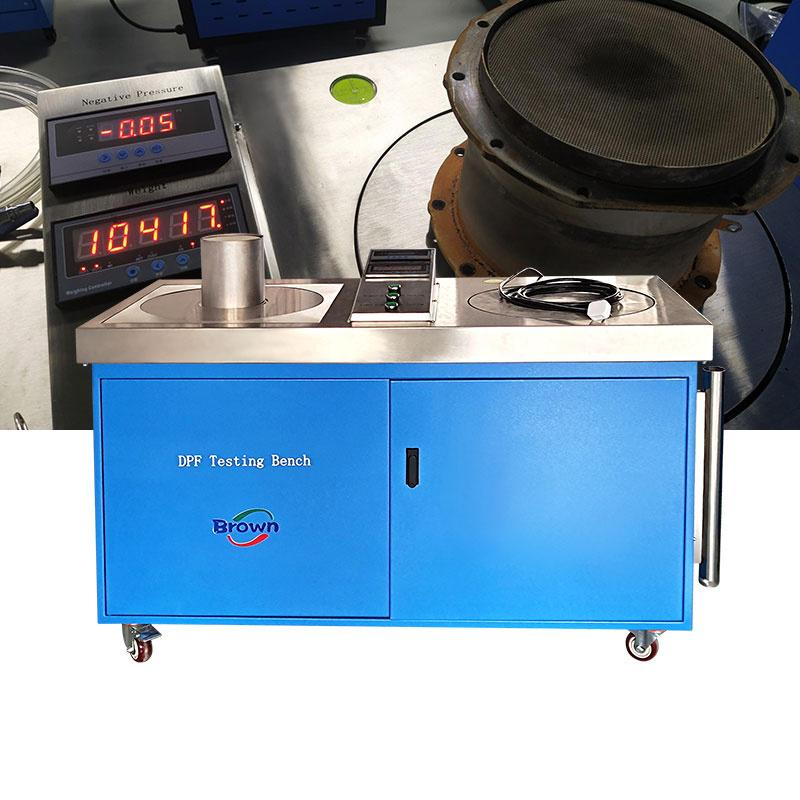
A DPF must balance two competing requirements:
· High filtration efficiency
· Low exhaust restriction
Manufacturers test:
· Airflow rate
· Pressure drop
· Flow consistency
If backpressure is too high, engines may experience:
· Reduced fuel economy
· Lower engine power
· More frequent regeneration
· Increased turbocharger stress
Consistent airflow testing helps ensure predictable engine performance.
Before packaging, each unit receives a final inspection.
Technicians check for:
· Cosmetic damage
· Missing hardware
· Incorrect labels
· Shipping protection
· Surface contamination
· Packaging quality
This final review helps ensure products arrive ready for installation.
High-quality manufacturers maintain production records for every batch.
Typical documentation includes:
· Material certificates
· Inspection reports
· Welding records
· Leak-test results
· Dimensional inspection data
· Product identification numbers
Traceability makes it easier to investigate quality issues and supports warranty management throughout the product lifecycle.
Effective inspection delivers measurable value across the supply chain.
· Fewer roadside failures
· Longer service life
· More reliable regeneration
· Reduced maintenance costs
· Lower product return rates
· Fewer warranty claims
· Improved customer satisfaction
· Greater confidence in inventory quality
· Consistent emissions performance
· Reliable fitment
· Better durability validation
· Improved production consistency
Quality inspection is not simply a factory procedure—it is an investment in long-term operational reliability.
A Diesel Particulate Filter must perform reliably under extreme operating conditions, making comprehensive quality inspection essential. From raw material verification and ceramic substrate evaluation to leak testing, dimensional measurement, airflow validation, and final visual inspection, every stage contributes to a dependable finished product.
For fleet operators, this means fewer breakdowns and lower operating costs. For distributors, it translates into reduced returns and stronger customer relationships. For OEM engineers, it provides confidence that every DPF delivers consistent performance and meets demanding emissions standards. Choosing products backed by rigorous inspection processes is one of the best ways to improve long-term value and reliability.


