
Through advanced filtration technology and high - quality materials, we ensure that our DPFs meet the most stringent environmental standards helping to improve air quality and protect the environment.
Through advanced filtration technology and high - quality materials, we ensure that our DPFs meet the most stringent environmental standards helping to improve air quality and protect the environment.

Modern Diesel Particulate Filters (DPFs) are among the most advanced components in a heavy-duty diesel aftertreatment system. While they may appear to be simple metal canisters, every DPF is the result of a carefully controlled manufacturing process involving advanced ceramic engineering, precision fabrication, catalyst technology, and rigorous quality testing.
For fleet operators, product quality directly affects service life, regeneration efficiency, and maintenance costs. For aftermarket distributors, consistent manufacturing reduces warranty claims and fitment issues. For OEM engineers, manufacturing precision ensures reliable emission compliance throughout the vehicle's operating life.
Why DPF Manufacturing Quality Matters
A DPF operates under some of the harshest conditions found on a diesel engine.
Typical operating conditions include:
· Exhaust temperatures up to 650–700°C (1,200–1,300°F) during regeneration
· Continuous thermal cycling
· High exhaust flow rates
· Mechanical vibration
· Exposure to soot, ash, moisture, sulfur, and road contaminants
Poor manufacturing quality can lead to:
· Cracked ceramic substrates
· High exhaust backpressure
· Uneven soot loading
· Poor regeneration performance
· Shorter service life
· Increased maintenance costs
A well-manufactured DPF is designed to deliver stable filtration performance for hundreds of thousands of miles under demanding fleet conditions.
Step 1. Selecting the Ceramic Substrate
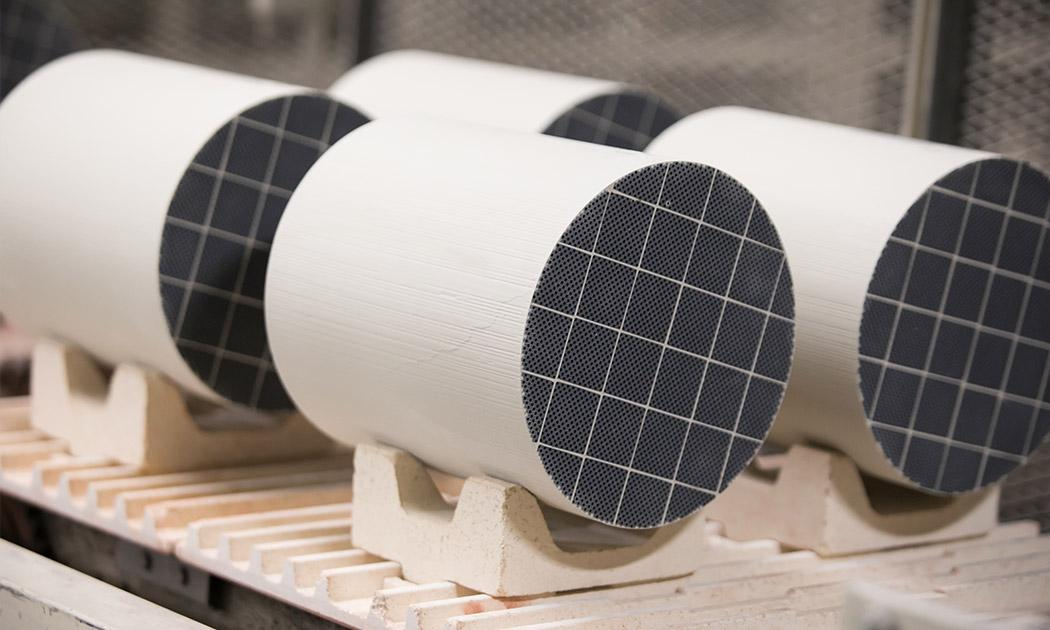
The ceramic substrate is the heart of every DPF.
It contains thousands of small honeycomb channels that capture particulate matter while allowing exhaust gases to pass through porous channel walls.
The two most common materials are:
Advantages:
· Lower production cost
· Excellent filtration efficiency
· Good thermal insulation
· Suitable for many on-road applications
Limitations:
· Lower resistance to thermal shock
· More sensitive to rapid temperature changes
Advantages:
· Higher thermal conductivity
· Excellent thermal shock resistance
· Longer service life
· Better suited for severe-duty applications
Common applications include:
· Heavy-duty trucks
· Construction equipment
· Mining equipment
· Long-haul fleets
The choice of substrate depends on engine size, duty cycle, and emission requirements.
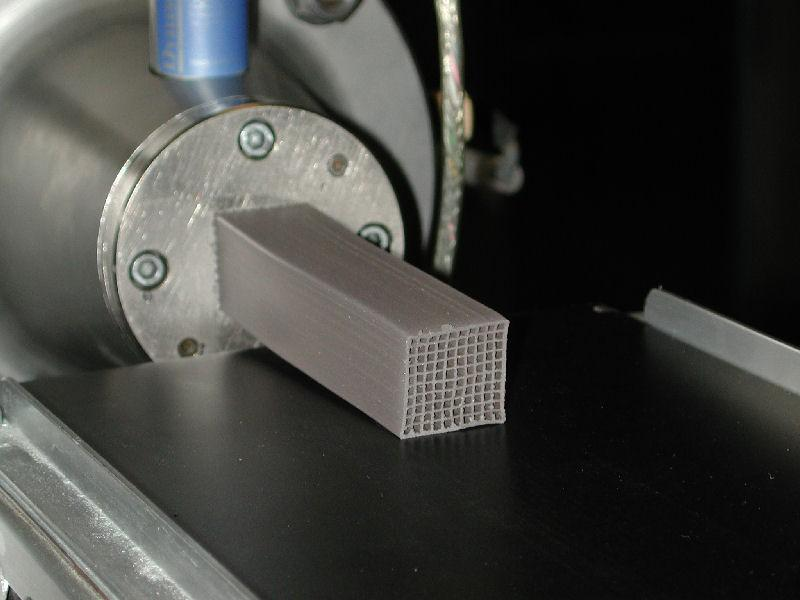
The ceramic material is mixed with binders and additives before being extruded into a honeycomb structure.
Each substrate contains hundreds or even thousands of tiny channels.
Typical channel densities include:
· 100 CPSI
· 200 CPSI
· 300 CPSI
(CPSI = Cells Per Square Inch)
The channel density affects:
· Filtration efficiency
· Exhaust flow
· Backpressure
· Regeneration behavior
Maintaining consistent wall thickness is critical. Even small variations can affect soot loading and filter durability.
After extrusion, the substrate is carefully dried to remove moisture.
It is then fired in a kiln at very high temperatures.
During firing:
· Ceramic particles bond together
· Material strength increases
· Controlled porosity develops
· Dimensional stability is achieved
Proper firing ensures the substrate can withstand repeated regeneration cycles without cracking.
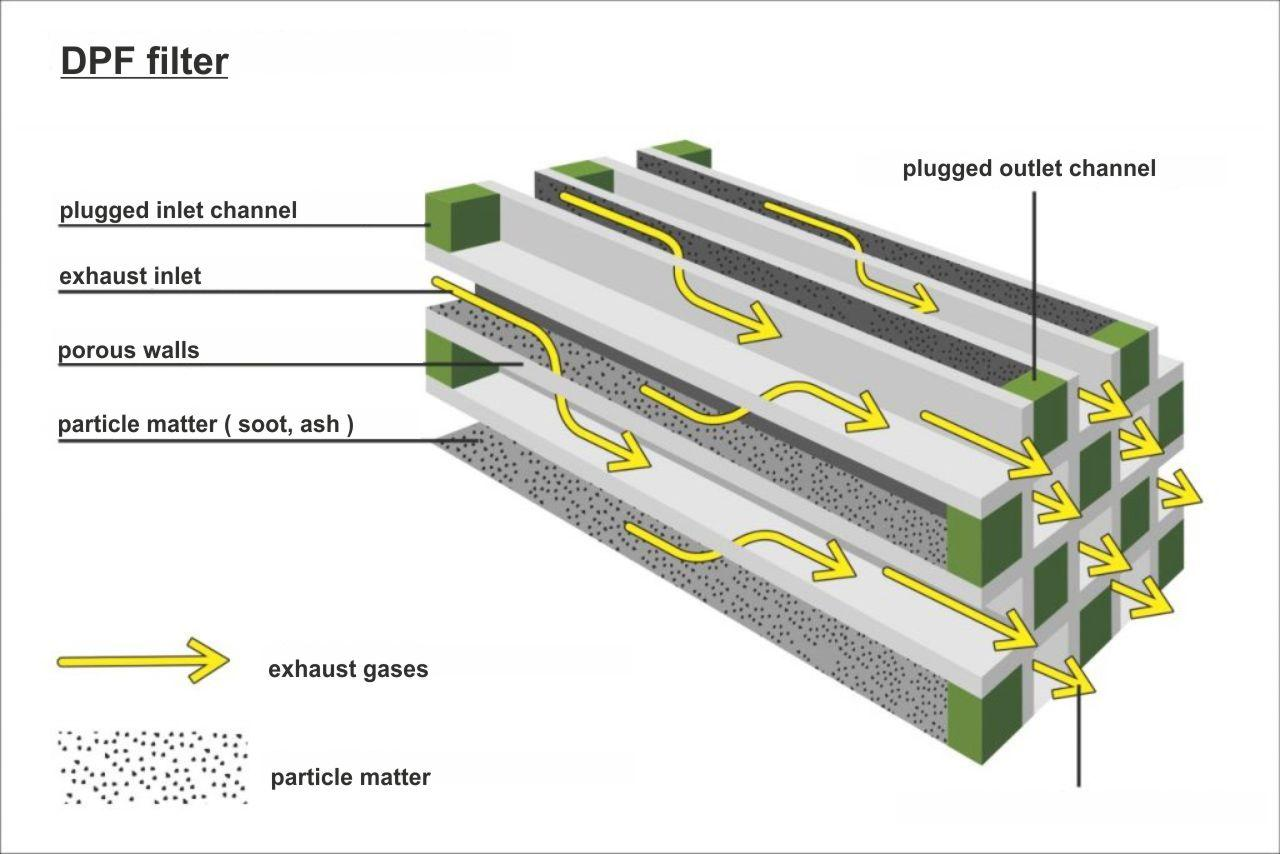
Unlike a catalyst, a DPF physically traps soot.
To create this filtration effect, alternating channels are sealed at opposite ends.
This forces exhaust gases to pass through the porous ceramic walls.
Open → █████ → Closed
Closed → █████ → Open
As exhaust moves through the walls:
· Soot remains trapped
· Clean gases continue downstream
This wall-flow design is the key to achieving filtration efficiencies greater than 95%, with many modern systems exceeding 99% for fine particulate matter.
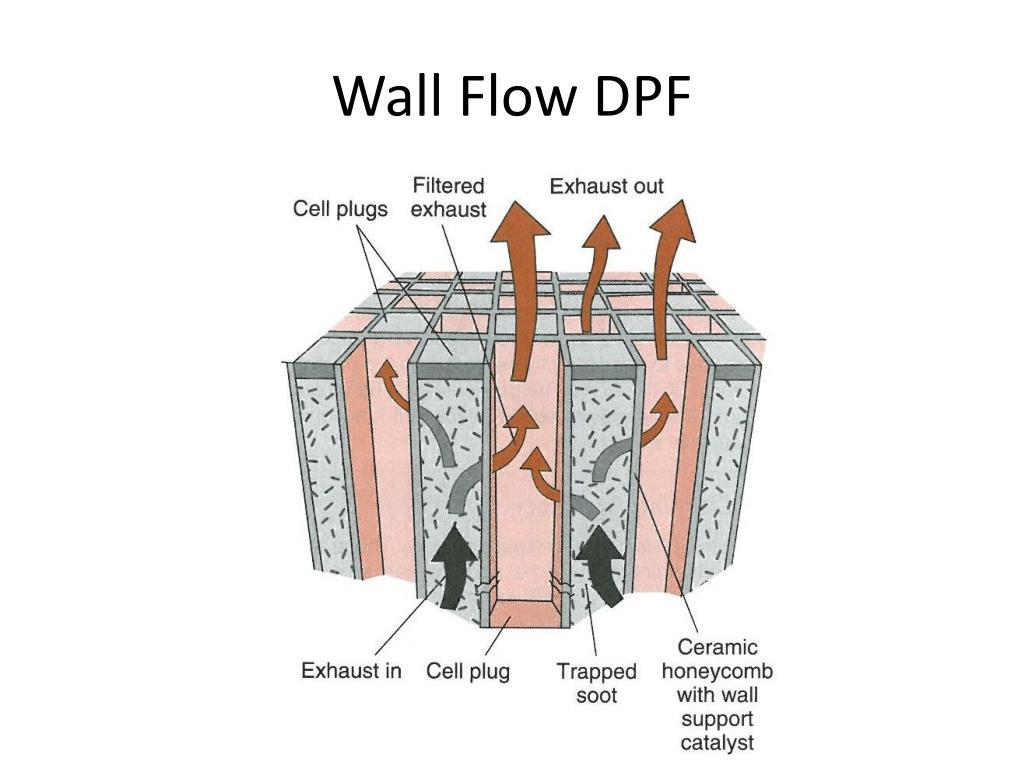
Many heavy-duty DPFs include a catalyst coating.
Typical catalyst materials contain precious metals such as:
· Platinum (Pt)
· Palladium (Pd)
These coatings help:
· Lower soot ignition temperatures
· Improve passive regeneration
· Reduce hydrocarbon emissions
· Improve oxidation efficiency
The catalyst coating must be evenly distributed to maintain consistent regeneration performance throughout the filter.
The ceramic substrate is extremely strong under compression but relatively brittle under impact.
To protect it, manufacturers install the substrate inside a stainless-steel housing.
A specialized mounting mat surrounds the ceramic core.
The mat performs several functions:
· Absorbs vibration
· Allows thermal expansion
· Maintains proper compression
· Prevents substrate movement
Precision welding ensures the housing remains leak-free under high exhaust temperatures and vibration.
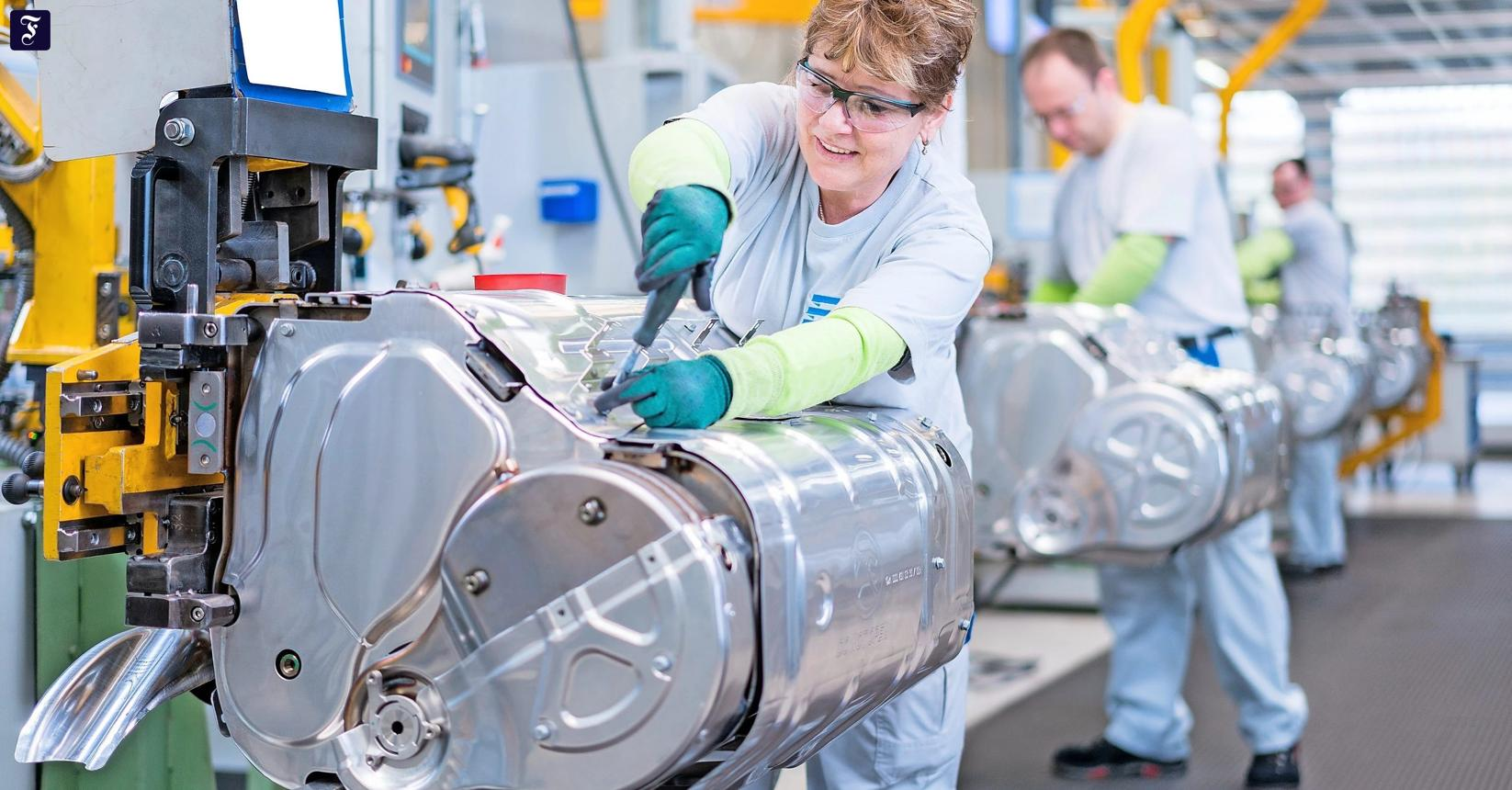
Every DPF must match the original equipment specifications.
Critical measurements include:
· Overall length
· Outside diameter
· Inlet and outlet position
· Sensor port locations
· Flange dimensions
· Mounting brackets
Even a few millimeters of variation can create installation problems and increase product returns.
For aftermarket distributors, accurate OE-level fitment helps reduce labor time and warranty claims.
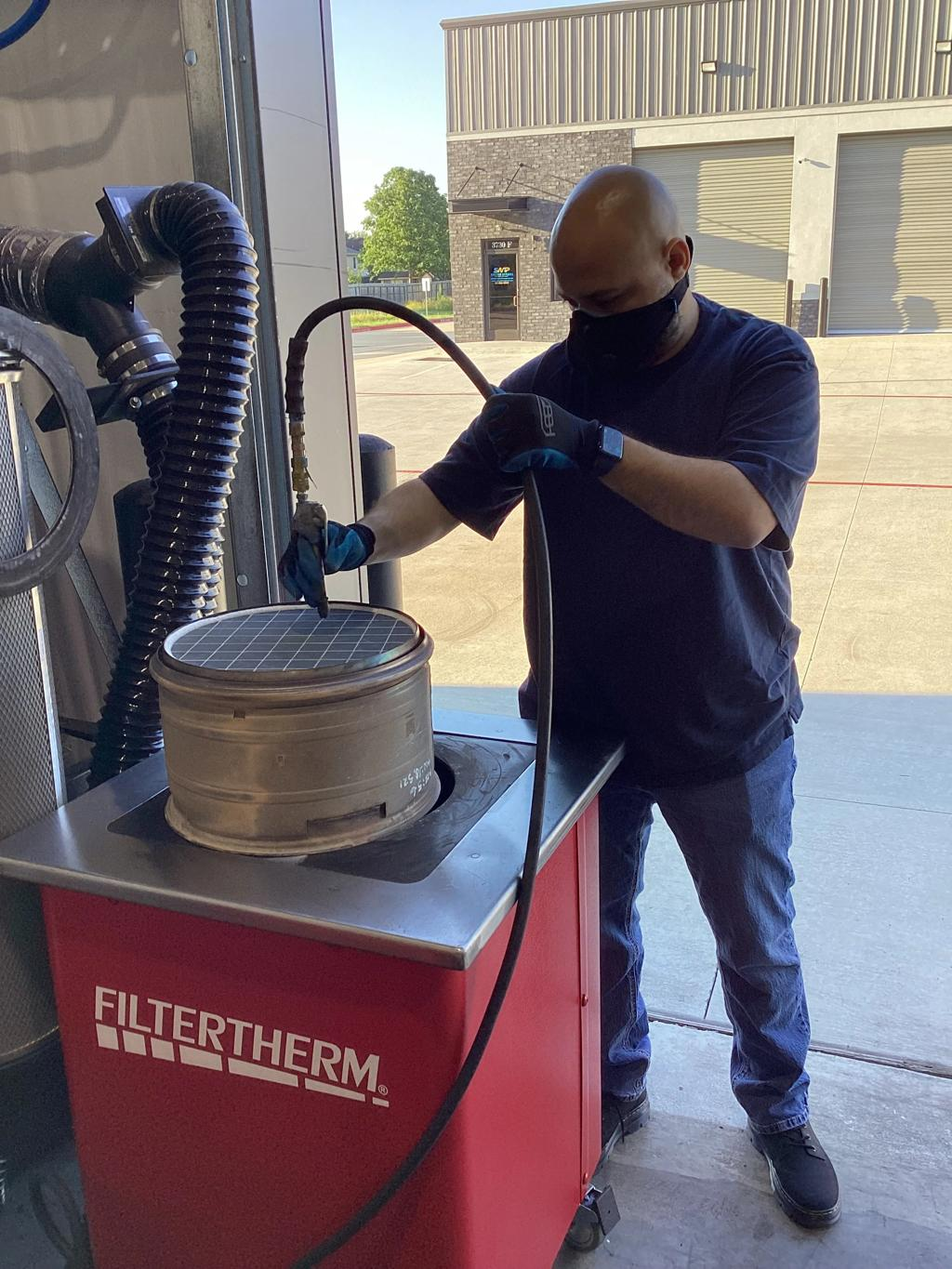
Before shipment, quality manufacturers perform multiple inspections.
Typical tests include:
Confirms acceptable exhaust flow and pressure drop.
Detects housing leaks and weld defects.
Checks for:
· Ceramic cracks
· Coating defects
· Weld quality
· Surface damage
Many manufacturers compare production parts directly with OE samples to ensure installation accuracy.
This additional validation helps reduce field failures and costly returns.
A high-quality DPF is more than a replacement part. It is an engineered emission solution designed to balance filtration efficiency, durability, and serviceability.
For fleet operators, quality manufacturing can deliver:
· Longer service life
· Lower maintenance costs
· More reliable regeneration
· Reduced downtime
For aftermarket distributors, it helps provide:
· Consistent fitment
· Fewer warranty claims
· Lower return rates
· Greater customer confidence
For OEM engineers, strict production control supports predictable performance and long-term emissions compliance across a wide range of operating conditions.
The production of a Diesel Particulate Filter combines advanced ceramic science, precision manufacturing, catalyst technology, and rigorous quality control. Every stage—from substrate selection and honeycomb extrusion to catalyst coating, stainless-steel assembly, and final inspection—plays a critical role in how the DPF performs in the field.
For fleets, the result is dependable emissions control and longer component life. For distributors, it means fewer installation issues and stronger customer satisfaction. For OEMs, it provides confidence that every DPF meets demanding durability and emissions requirements. Investing in well-manufactured DPFs is not simply about replacing a part—it is about ensuring reliable performance throughout the life of the vehicle.


