
Through advanced filtration technology and high - quality materials, we ensure that our DPFs meet the most stringent environmental standards helping to improve air quality and protect the environment.
Through advanced filtration technology and high - quality materials, we ensure that our DPFs meet the most stringent environmental standards helping to improve air quality and protect the environment.

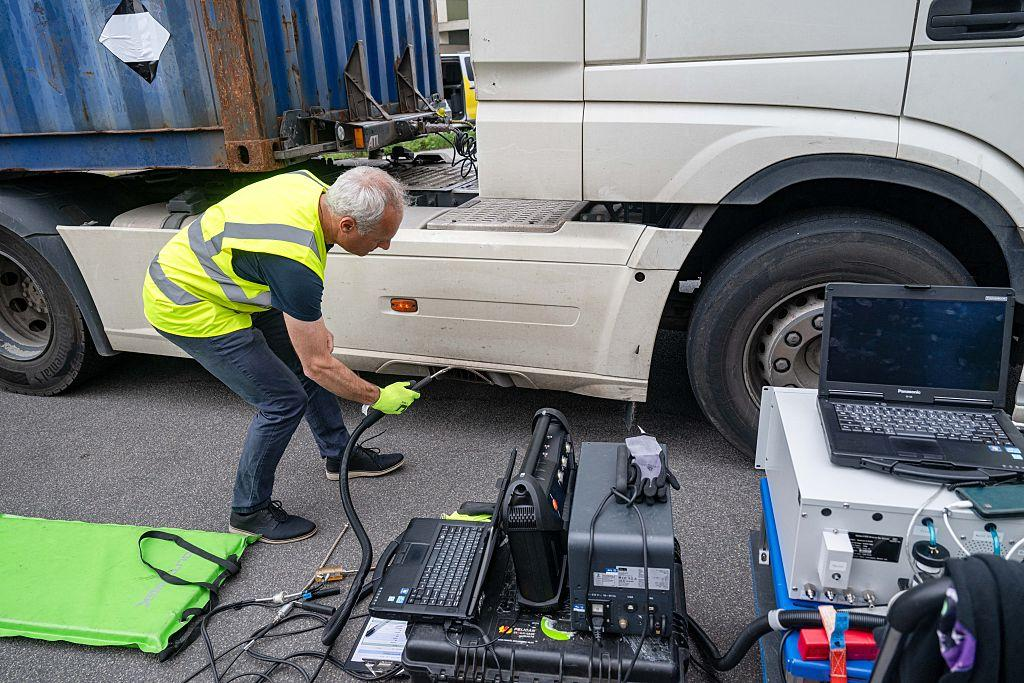
Emission regulations continue to shape the future of the heavy-duty diesel industry. While North America follows standards established by the U.S. Environmental Protection Agency (EPA) and the California Air Resources Board (CARB), Europe is introducing Euro VII requirements to further reduce vehicle emissions over a longer portion of a truck's operating life.
Although both regulatory systems pursue cleaner air, they differ in testing methods, durability expectations, onboard monitoring, and compliance strategies.
For fleet operators, understanding these differences helps with long-term maintenance planning. For aftermarket distributors, it supports product selection and inventory planning. For OEM engineers, it influences aftertreatment system design, calibration, and validation.
Heavy-duty diesel engines have become dramatically cleaner over the past two decades.
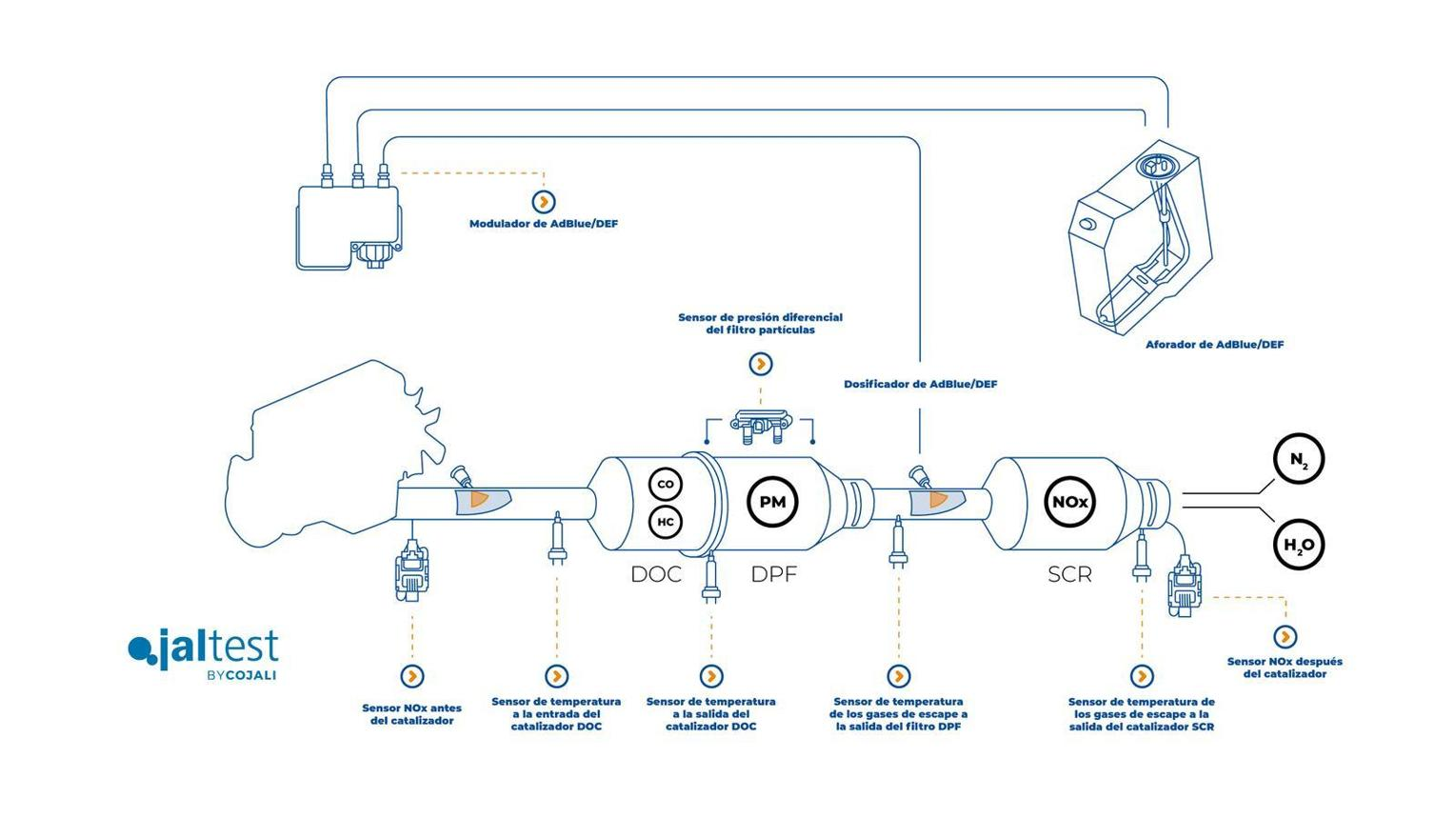
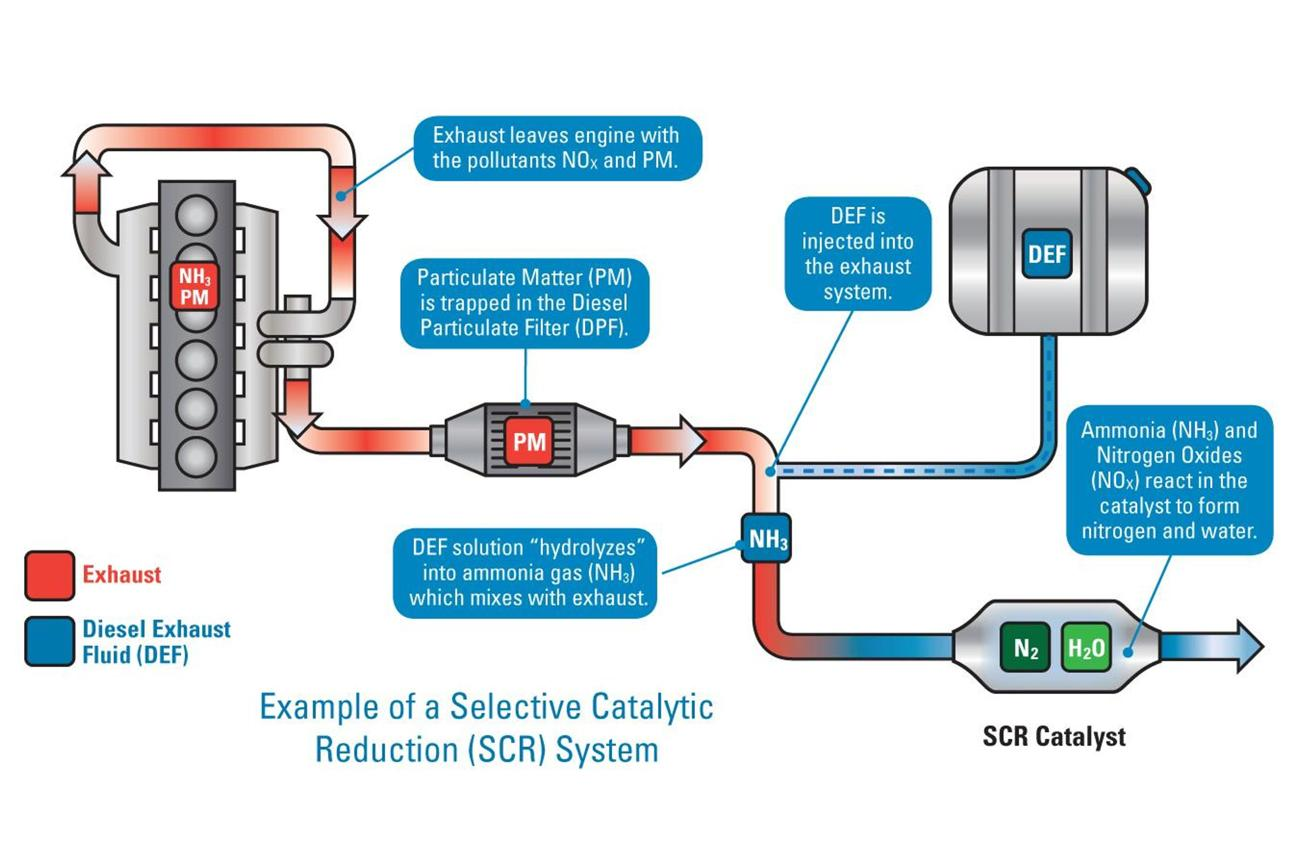
Today's trucks use integrated aftertreatment systems that combine:
· Diesel Oxidation Catalysts (DOC)
· Diesel Particulate Filters (DPF)
· Selective Catalytic Reduction (SCR)
· Advanced electronic controls
· Multiple exhaust sensors
These technologies significantly reduce:
· Nitrogen Oxides (NOx)
· Particulate Matter (PM)
· Carbon Monoxide (CO)
· Hydrocarbons (HC)
The next generation of regulations focuses not only on lowering emissions but also on ensuring that low emissions are maintained throughout a vehicle's useful life.
Both regulatory frameworks aim to improve air quality and public health.
However, they emphasize different aspects of vehicle performance.
Area | Euro VII | U.S. EPA / CARB |
Primary Goal | Lifetime emissions performance | Low emissions under U.S. operating conditions |
Focus | Extended durability, broader testing | Engine certification, in-use compliance, NOx reduction |
Vehicle Coverage | Passenger cars, vans, trucks, buses | Heavy-duty and light-duty vehicles under separate rules |
Aftertreatment Dependence | Very high | Very high |
Although the testing methods differ, both systems require sophisticated emission control technologies.
Euro VII is the European Union's latest vehicle emissions framework.
Compared with earlier Euro standards, it places greater emphasis on:
· Real-world driving performance
· Longer emissions durability
· Improved onboard monitoring
· Broader operating conditions
· Brake and tire particle emissions (for many vehicle categories)
For heavy-duty vehicles, manufacturers must demonstrate that emission systems continue to perform effectively throughout the vehicle's expected service life.
This shifts attention from initial certification to long-term reliability.
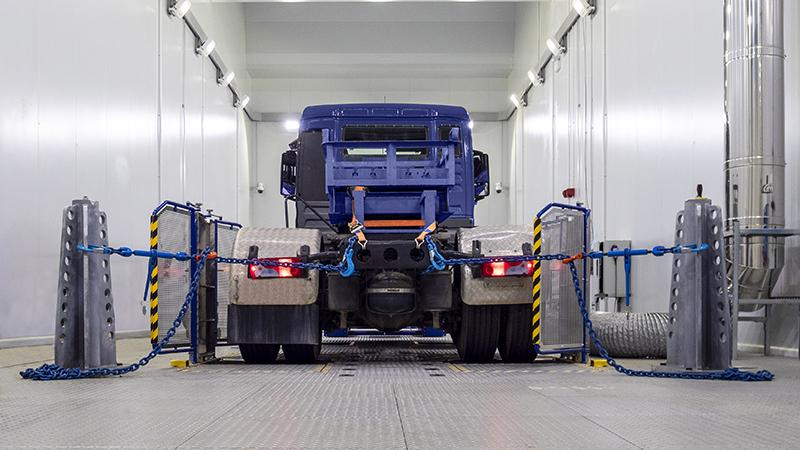
In North America, heavy-duty engines are regulated primarily by the EPA, with California often adopting additional requirements through CARB.
Current regulatory priorities include:
· Lower NOx emissions
· Improved cold-start performance
· Longer useful-life compliance
· Better onboard diagnostics (OBD)
· Reduced real-world emissions
Recent and upcoming requirements encourage manufacturers to improve aftertreatment efficiency across a wider range of operating temperatures and duty cycles.
Both Euro VII and EPA regulations require long-lasting emission performance.
Manufacturers must validate:
· Catalyst durability
· Thermal resistance
· Regeneration reliability
· Sensor performance
· System calibration
Long-term durability is becoming just as important as peak laboratory performance.
Modern trucks use numerous sensors to continuously monitor emission system performance.
Typical sensors include:
· NOx sensors
· Differential pressure sensors
· Exhaust gas temperature sensors
· DEF quality sensors
· Oxygen sensors (on some platforms)
These sensors help identify problems early and support emissions compliance throughout the vehicle's service life.
One engineering challenge is maintaining efficient emissions control during:
· Cold starts
· Urban delivery routes
· Low-load operation
· Frequent stop-and-go driving
Manufacturers continue to improve catalyst formulations, thermal management, and engine calibration to maintain performance under these demanding conditions.
Euro VII and North American EPA standards share the same objective: cleaner air through lower vehicle emissions. While they differ in regulatory structure and testing priorities, both frameworks depend on advanced aftertreatment technologies, durable engineering, and comprehensive onboard diagnostics.
For fleet operators, understanding these requirements supports better maintenance planning and lower lifecycle costs. For distributors, it highlights the importance of sourcing high-quality, accurately fitted replacement components. For OEM engineers, it reinforces the need for integrated system design that delivers reliable emissions control over the entire service life of the vehicle.
As global emissions regulations continue to evolve, robust DOC, DPF, and SCR systems—combined with strong manufacturing and quality control—will remain essential to heavy-duty diesel performance.


