
Through advanced filtration technology and high - quality materials, we ensure that our DPFs meet the most stringent environmental standards helping to improve air quality and protect the environment.
Through advanced filtration technology and high - quality materials, we ensure that our DPFs meet the most stringent environmental standards helping to improve air quality and protect the environment.

If you manage diesel trucks or equipment across Canada or North America, you’ve probably heard two terms used often: soot loading and ash loading.
They sound similar.
But they behave very differently inside a Diesel Particulate Filter (DPF).
Understanding the difference helps fleet buyers predict maintenance schedules, reduce downtime, and extend filter lifespan.
The DPF works with catalytic converters like the Diesel Oxidation Catalyst (DOC) and Selective Catalytic Reduction (SCR) system to clean exhaust gases.
When soot and ash build up inside the filter, airflow becomes restricted and emissions performance declines.
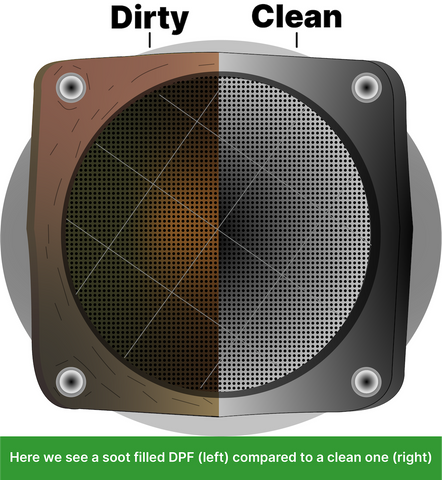
The key difference is simple.
Soot can be burned away.
Ash cannot.
Clear comparison, inspection, cost planning, and winter operation guidance for Canadian and North American fleets
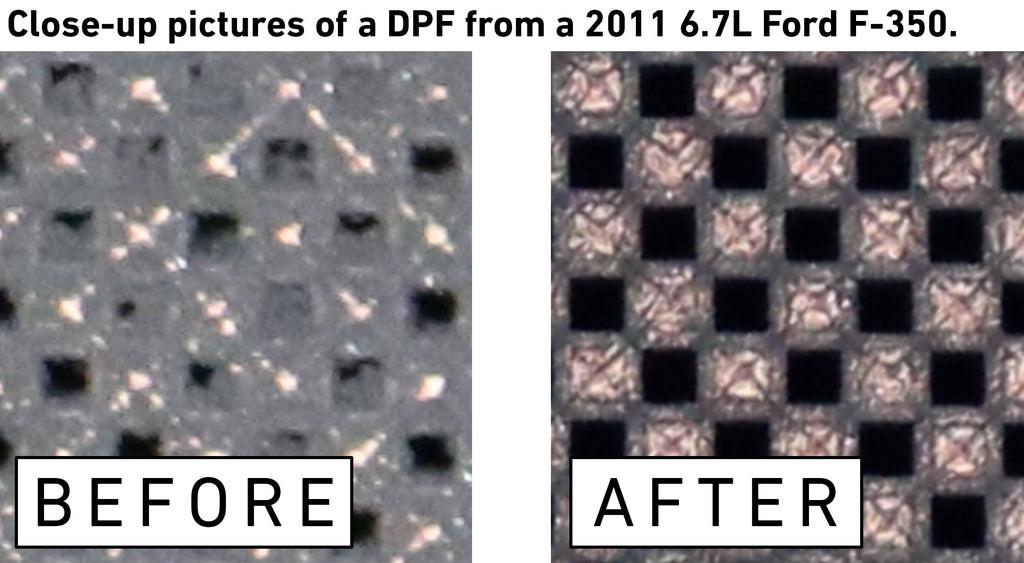
Feature | Soot Loading | Ash Loading |
What It Is | Carbon particles from combustion | Non-burnable residue |
Where It Comes From | Fuel combustion | Engine oil additives, fuel impurities, metal wear |
Can It Be Removed by Regeneration? | Yes | No |
Removal Method | Heat regeneration | Professional cleaning or replacement |
Timeframe | Short-term buildup | Long-term accumulation |
Risk Level | Operational performance issue | Structural lifespan limitation |
Ash reduces airflow permanently until the filter is professionally cleaned.
If ash accumulation becomes severe, cleaning may not restore performance and replacement becomes necessary.
Ash loading is the main reason every DPF has a limited service lifespan.
Managing soot and ash requires different strategies.
✔ Support consistent regeneration cycles
✔ Reduce unnecessary idling
✔ Maintain engine combustion performance
✔ Train drivers to recognize regeneration alerts
✔ Use low-ash engine oil
✔ Follow scheduled DPF cleaning intervals
✔ Monitor long-term filter airflow performance
✔ Track total operating hours or mileage
Soot loading affects short-term performance.
Ash loading determines long-term lifespan.
Failure to manage soot leads to:
Regeneration failures
Power loss
Increased fuel consumption
Failure to manage ash leads to:
Permanent airflow restriction
Filter replacement
Increased downtime
Higher lifecycle maintenance cost
Understanding both helps fleets make smarter maintenance and purchasing decisions.
Soot loading and ash loading are both natural parts of DPF operation.
But they require very different maintenance approaches.
Soot is temporary and removable through regeneration.
Ash is permanent and must be removed through professional cleaning.
Catalytic converters play a key role by controlling heat and chemical reactions that allow soot removal to occur safely.
For Canadian fleets, cold weather increases soot loading risk, making regeneration management especially important.
Fleet buyers who understand the difference between soot and ash can extend filter lifespan, reduce downtime, and improve emissions system reliability.
And in modern fleet operations, understanding what is happening inside the filter is just as important as maintaining the engine itself.
Soot is temporary.
Ash is permanent.


