
Through advanced filtration technology and high - quality materials, we ensure that our DPFs meet the most stringent environmental standards helping to improve air quality and protect the environment.
Through advanced filtration technology and high - quality materials, we ensure that our DPFs meet the most stringent environmental standards helping to improve air quality and protect the environment.

If you operate heavy-duty trucks across Canada or North America, emissions systems are no longer optional equipment.
They are part of daily fleet operations.
Modern diesel engines are cleaner and more efficient than older models.
That improvement comes from advanced emission solutions built into the exhaust system.
These systems reduce harmful pollutants while keeping trucks compliant with environmental regulations.
For fleet buyers, understanding how emission technology works helps reduce downtime, control maintenance costs, and improve long-term reliability.
Diesel engines produce three major types of emissions.
Tiny carbon particles created during combustion.
Gases that contribute to smog and respiratory problems.
Unburned fuel gases and toxic exhaust compounds.
Heavy-duty emission solutions use multiple technologies to control each pollutant type.
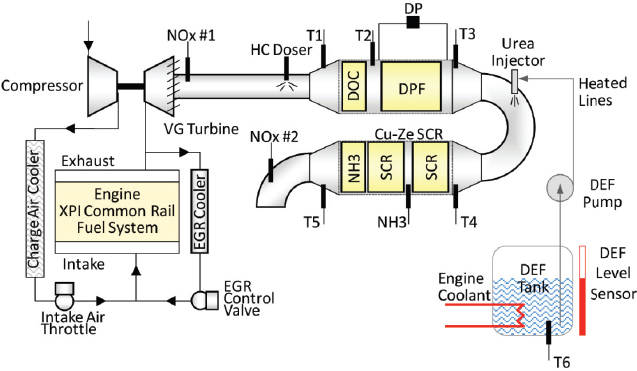
Most modern diesel trucks use a three-stage aftertreatment system.
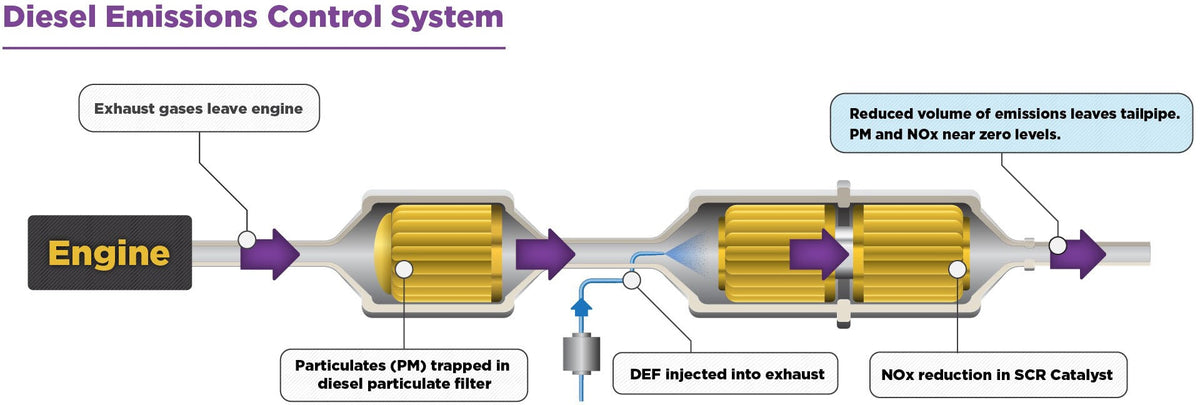
The DOC is usually the first catalytic converter in the exhaust system.
Its job is to:
Reduce hydrocarbons
Convert carbon monoxide into safer gases
Generate heat for the DPF regeneration process
Think of the DOC as the system’s heat generator.
The DPF captures soot particles using a ceramic honeycomb filter.
Over time, soot builds up inside the filter.
The system removes soot through a process called regeneration, which burns soot using high exhaust temperatures.
Without regeneration, the filter becomes clogged and restricts airflow.
SCR systems reduce nitrogen oxides using Diesel Exhaust Fluid (DEF).
DEF reacts inside the SCR catalyst to convert NOx into nitrogen and water vapor.
SCR systems play a major role in meeting strict North American emissions regulations.
Catalytic converters do more than reduce gases.
They control heat, airflow, and chemical reactions throughout the exhaust system.
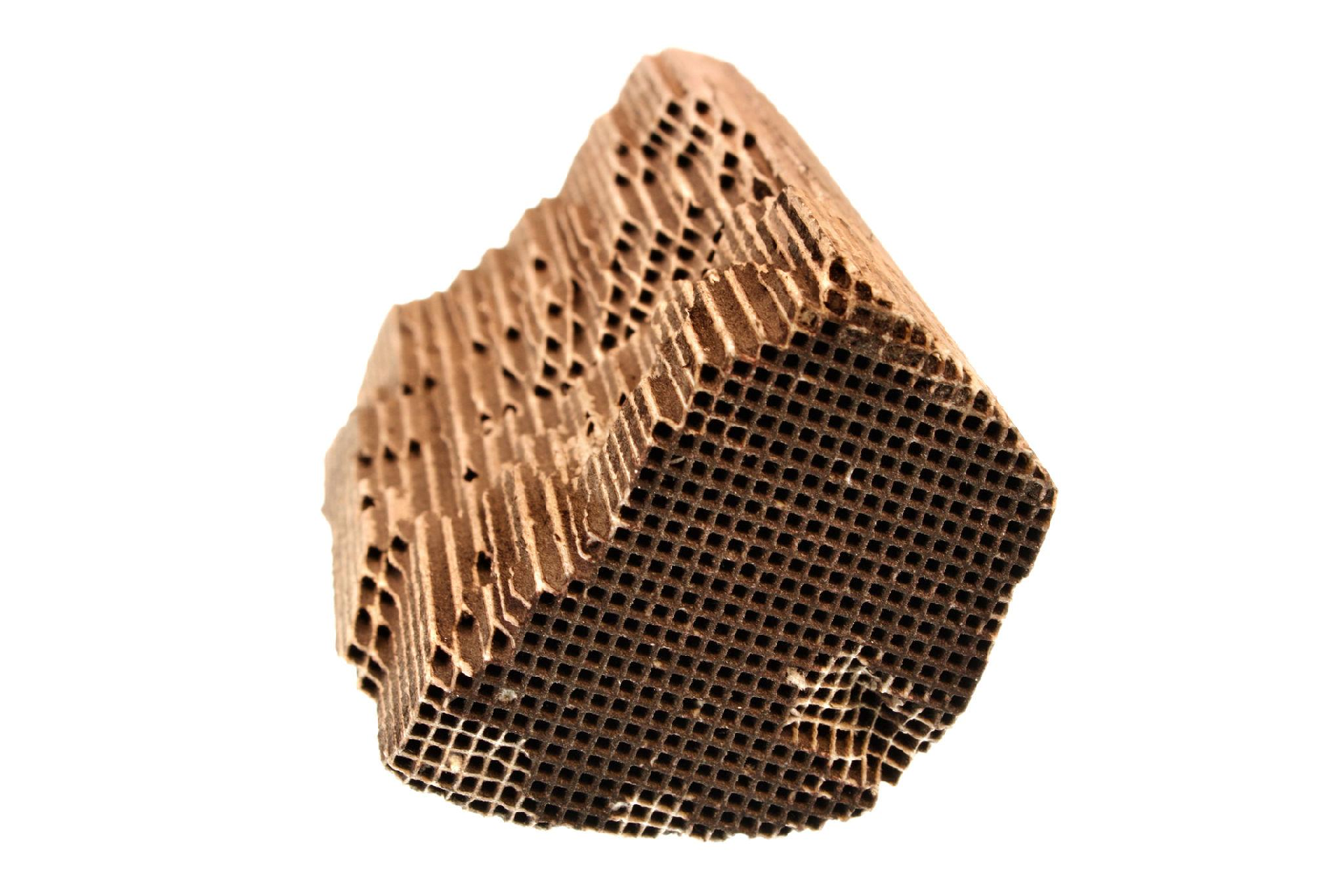
Inside catalytic converters:
Honeycomb substrates provide large surface area
Precious metal coatings trigger chemical reactions
Exhaust heat activates emissions conversion
These converters help maintain proper temperature levels for DPF regeneration and SCR performance.
If catalytic converters perform poorly, soot buildup and emissions failures often follow.
Fleet buyers usually focus on reliability and lifecycle cost.
Emission system performance directly affects both.
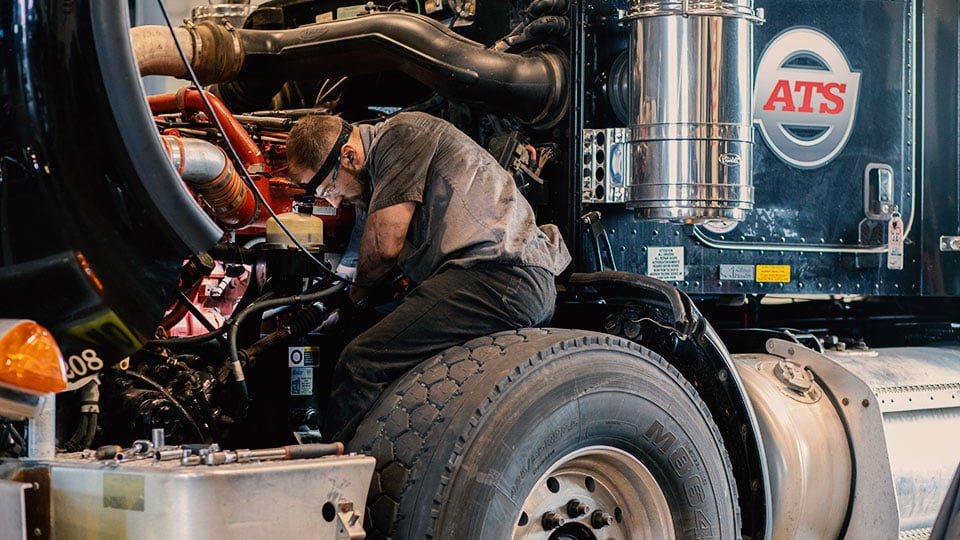
DPF and catalyst failures often trigger engine derate or shutdown.
High-quality emission systems reduce emergency repairs.
Proper airflow and thermal balance reduce engine workload and improve fuel economy.
Canada and the United States enforce strict emissions standards.
Non-compliance can lead to inspection failures and operational restrictions.
Heavy-duty emission solutions are essential for modern diesel fleets.
DOC, DPF, and SCR systems work together to reduce soot, gases, and nitrogen oxides.
Catalytic converters support this process by controlling chemical reactions and heat balance.
For fleet buyers, choosing reliable emission technology improves uptime, reduces repair costs, and ensures regulatory compliance.
For Canadian fleets, cold climate durability and regeneration reliability are especially important.
The best emission solution is not just the cleanest one.
It is the one that keeps trucks moving consistently.


