
Through advanced filtration technology and high - quality materials, we ensure that our DPFs meet the most stringent environmental standards helping to improve air quality and protect the environment.
Through advanced filtration technology and high - quality materials, we ensure that our DPFs meet the most stringent environmental standards helping to improve air quality and protect the environment.

If you operate diesel fleets across Canada or North America, regeneration failures are one of the most common emissions problems you will face.
Regeneration is the process that burns soot out of a Diesel Particulate Filter (DPF).
Without regeneration, soot builds up and blocks exhaust flow.
That leads to power loss, higher fuel use, and sometimes truck shutdown.
Catalytic converters play a major role in preventing these failures.
They help create and control the heat needed for regeneration.
Understanding why regeneration fails helps fleet buyers reduce downtime and avoid expensive parts replacement.
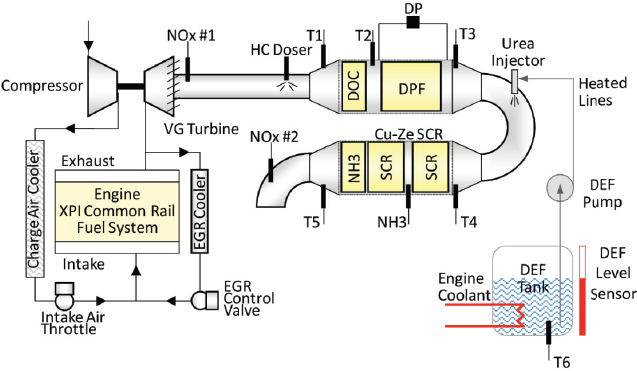
To understand failures, you first need to understand how regeneration normally works.
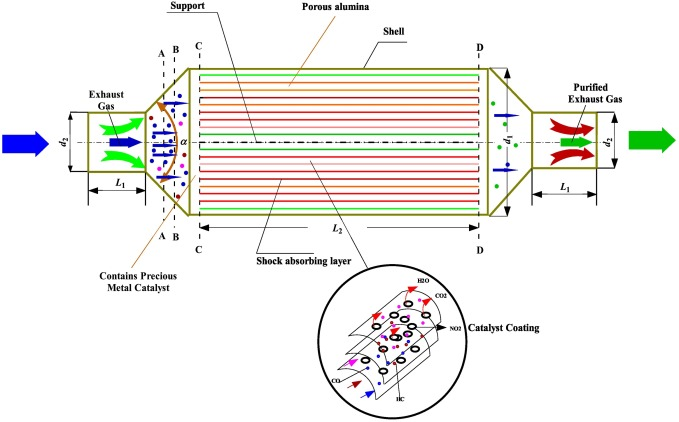
Here is the simple version.
The engine produces soot during combustion.
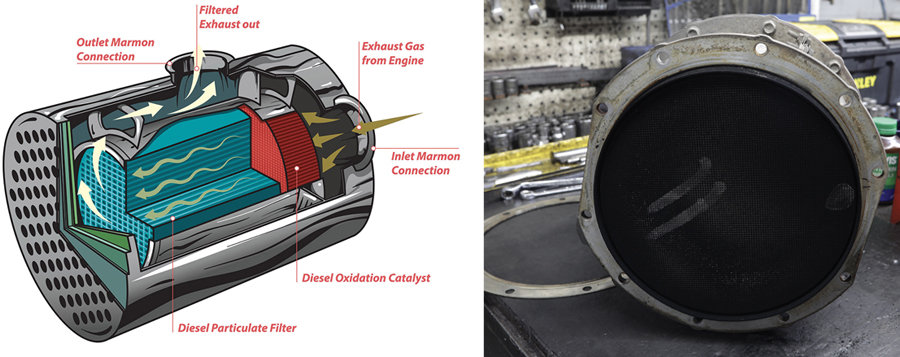
The DPF captures that soot inside a ceramic honeycomb filter.
Over time, the filter fills up.
To clean itself, the system increases exhaust temperature and burns the soot into ash.
Catalytic converters support this process in two key ways:
The Diesel Oxidation Catalyst (DOC) helps create heat
The SCR catalyst helps control emissions after regeneration
Most regeneration cycles require temperatures between roughly 500°C and 650°C.
If the system cannot reach or maintain those temperatures, regeneration fails.
Regeneration failures rarely happen because of one problem.
They usually happen because of driving patterns, maintenance habits, or component damage.
Here are the most common causes.
This is the number one cause in Canadian fleets.
Cold climates and short trips prevent exhaust from reaching regeneration temperatures.
Excessive idling creates soot but produces very little heat.
Without heat, catalytic converters cannot trigger proper chemical reactions.
Drivers sometimes shut down the engine during active regeneration.
This leaves partially burned soot inside the DPF.
Over time, soot builds faster than the system can remove it.
Repeated interruptions eventually trigger warning lights and power derate.
DPF systems rely heavily on sensors to monitor pressure and temperature.
If sensors give incorrect readings, the system may:
Start regeneration too late
Fail to start regeneration
Overheat components
Damaged wiring is especially common during Canadian winters.
Aftertreatment systems cannot fix poor engine performance.
Fuel injector issues, turbocharger faults, or oil consumption increase soot production.
Excess soot overloads the DPF and increases thermal stress on catalytic converters.
Catalytic converters can lose efficiency over time.
Heat damage, contamination, or aging reduces their ability to create chemical reactions.
When DOC performance drops, regeneration temperatures may never reach required levels.
Regeneration failures usually show warning signs before major damage occurs.
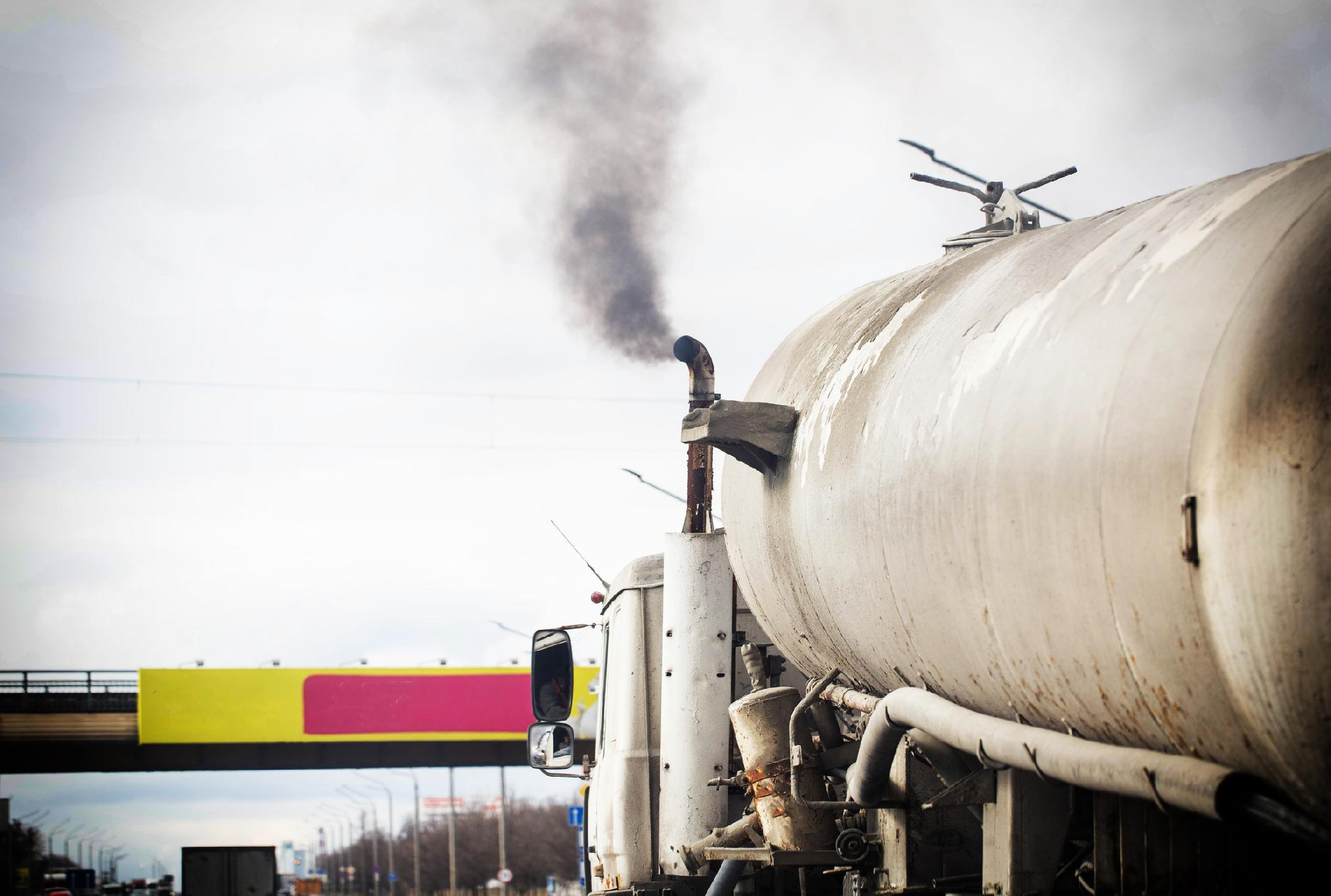
Common symptoms include:
Frequent regeneration alerts
Reduced engine power (derate mode)
Higher fuel consumption
Strong exhaust smell
Repeated emissions fault codes
Ignoring early symptoms often leads to full DPF replacement.
Fleet buyers often think catalytic converters only reduce emissions gases.
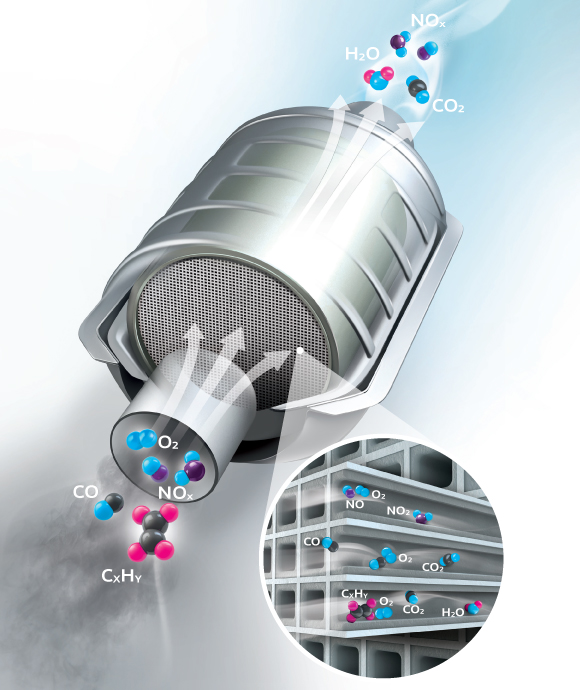
They actually help control regeneration success.
Here is how.
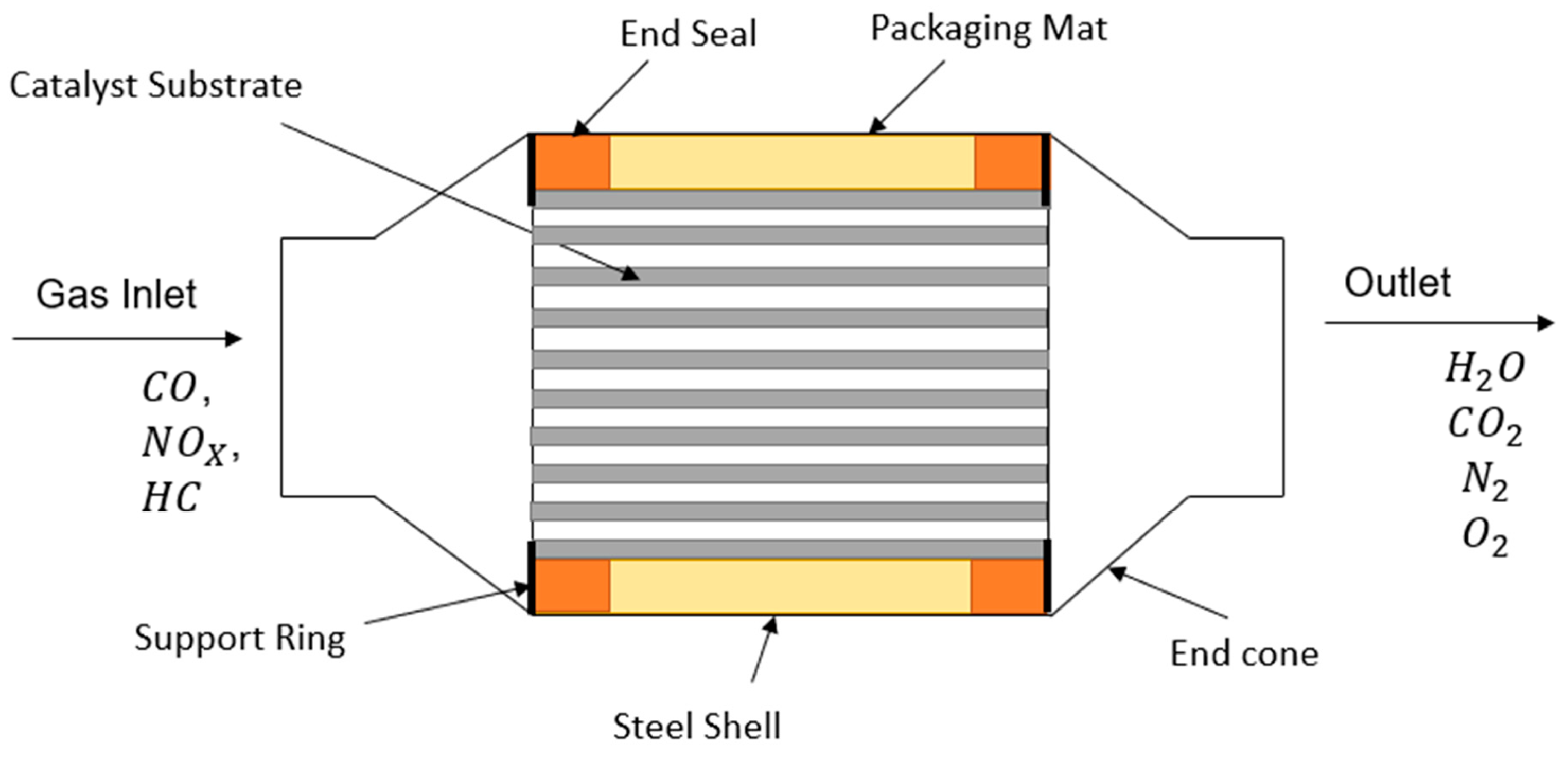
DOC catalysts create chemical reactions that raise exhaust temperature.
This helps start regeneration when natural exhaust heat is too low.
Catalyst designs distribute heat evenly through the filter system.
This protects DPF structures from cracking or melting.
SCR catalysts help maintain emissions compliance during and after regeneration.
Together, these catalysts help maintain thermal balance across the entire aftertreatment system.
Fleet buyers influence regeneration reliability more than they often realize.
Here are proven prevention strategies.
Long highway routes support successful regeneration.
Stop-and-go routes increase soot accumulation.
Drivers should understand:
Regeneration warnings
When to allow parked regeneration
Why shutting down engines during regeneration causes problems
Proper engine performance reduces soot production and thermal stress.
Catalyst durability directly affects regeneration reliability.
Fleet buyers should request:
Thermal durability testing data
Filtration efficiency reports
Compliance certification
Warranty documentation
Regeneration failures rarely involve just one repair.
They often lead to:
Increased downtime
Emergency service costs
Higher fuel consumption
Premature DPF replacement
Regulatory compliance risks
In many fleet maintenance reports, emissions failures are linked to thermal management and catalyst performance rather than simple filter clogging.
Regeneration is one of the most important processes in modern diesel emissions systems.
When it works correctly, trucks run efficiently and stay compliant.
When it fails, costs rise quickly.
Catalytic converters play a critical role by creating and stabilizing heat needed for regeneration.
They also help maintain emissions performance across the entire aftertreatment system.
For Canadian fleets operating in cold climates, understanding regeneration failure causes is especially important.
Better knowledge helps buyers choose stronger components, helps drivers avoid mistakes, and helps maintenance teams solve problems faster.
And in fleet operations, fewer surprises usually mean better uptime.


