
Through advanced filtration technology and high - quality materials, we ensure that our DPFs meet the most stringent environmental standards helping to improve air quality and protect the environment.
Through advanced filtration technology and high - quality materials, we ensure that our DPFs meet the most stringent environmental standards helping to improve air quality and protect the environment.

If you manage a fleet in the U.S. or Canada, you’ve probably noticed something frustrating: Diesel Particulate Filter (DPF) prices don’t stay stable for long.
One year a replacement filter costs $1,200, the next year it jumps past $2,000.
Why?
Understanding what drives these price swings helps fleet buyers make smarter purchasing decisions, reduce downtime, and avoid low-quality parts that can damage expensive engines.
More importantly, the relationship between the DPF and the catalytic converter system plays a major role in cost, durability, and emissions compliance.
Let’s break it down.
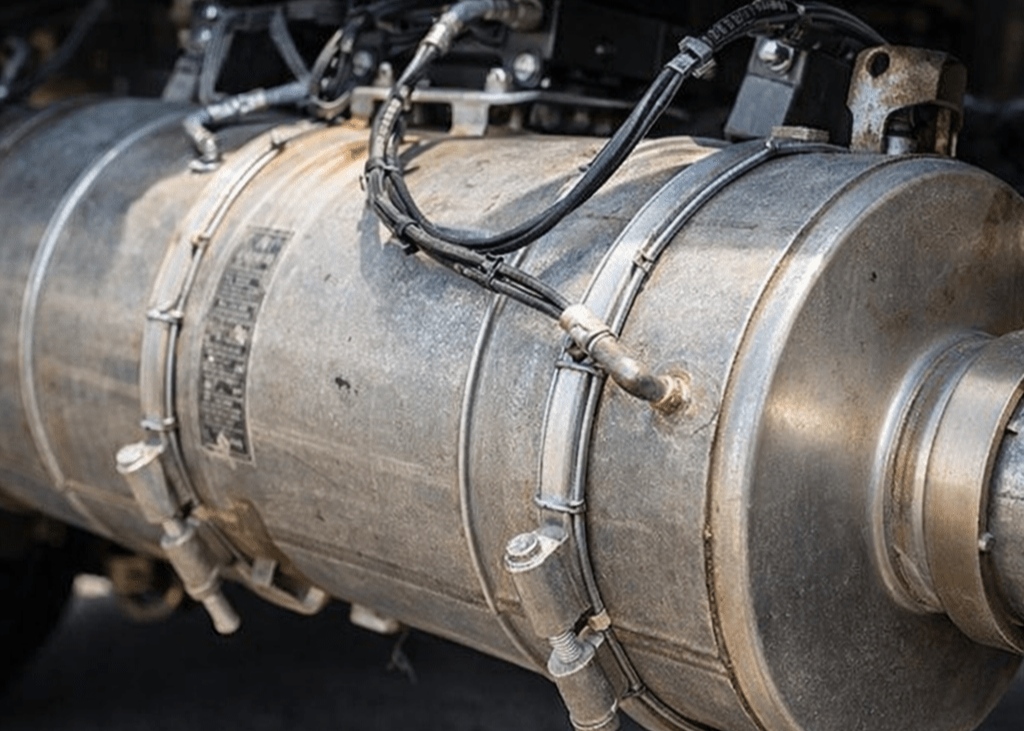
Exhaust temperatures over 600°C
Constant thermal cycling
Heavy soot accumulation
In many systems, the DPF works alongside a catalytic converter (DOC – Diesel Oxidation Catalyst). The DOC helps burn soot during regeneration.
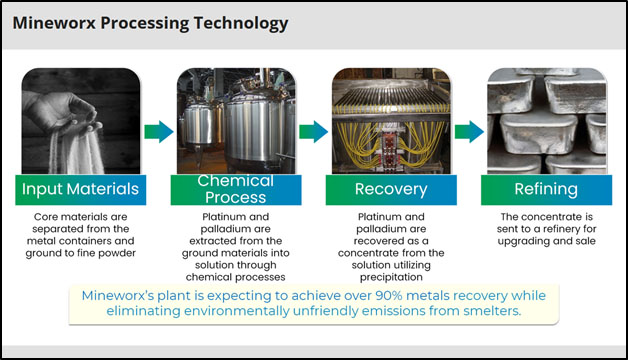
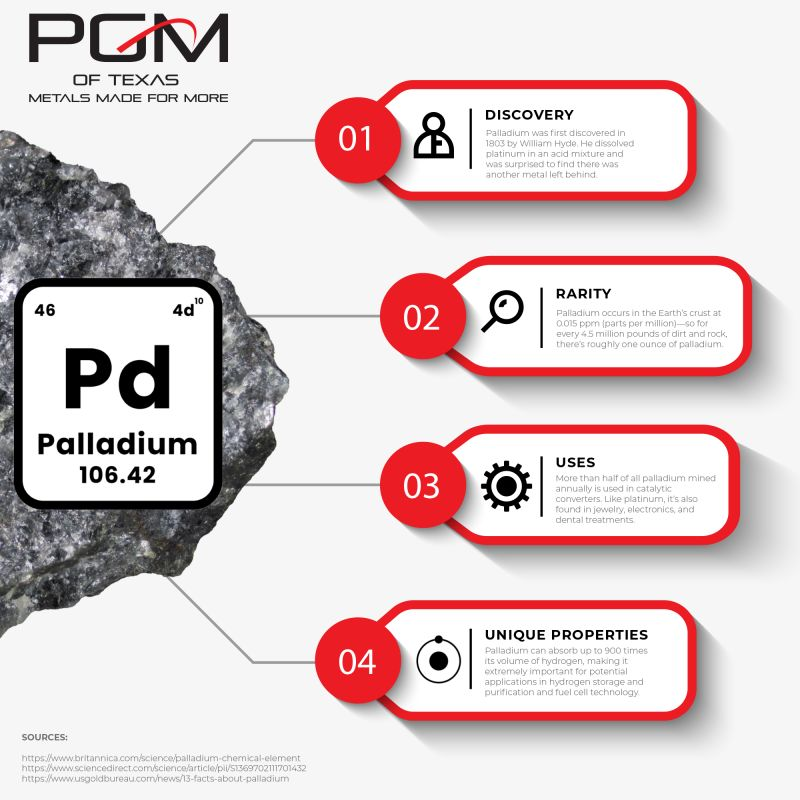
This means manufacturers also rely on precious metals, such as:
Platinum
Palladium
When metal prices spike globally, DPF prices follow quickly.
Fleet takeaway:
Choosing a cheaper filter without proper catalyst coating may lead to failed regeneration cycles, which can increase fuel consumption and downtime.
Key terms to know:
DPF replacement cost
diesel particulate filter substrate
DOC catalytic converter system
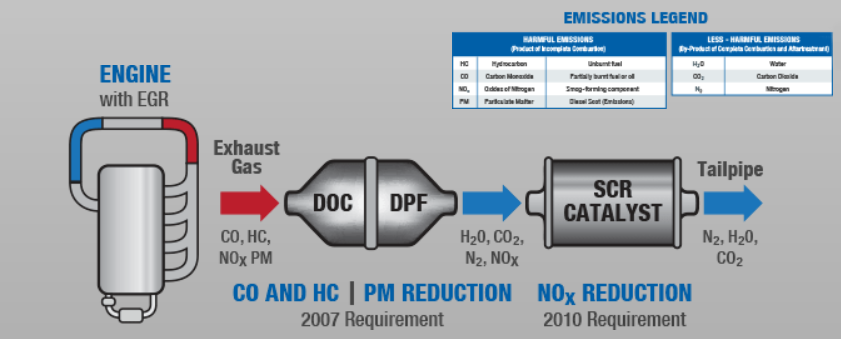
Environmental regulations heavily affect DPF pricing.
Fleet operators in North America must comply with standards from:
EPA (United States)
CARB (California Air Resources Board)
These rules require aftertreatment systems to reduce:
particulate matter (PM)
nitrogen oxides (NOx)
Because of this, manufacturers must design DPF systems that work seamlessly with catalytic converters and SCR systems.
Compliance testing, certification, and engineering add significant production costs.
Keywords worth remembering:
EPA diesel emissions compliance
heavy duty truck aftertreatment system
DPF emissions regulations
Not all DPFs are built the same.
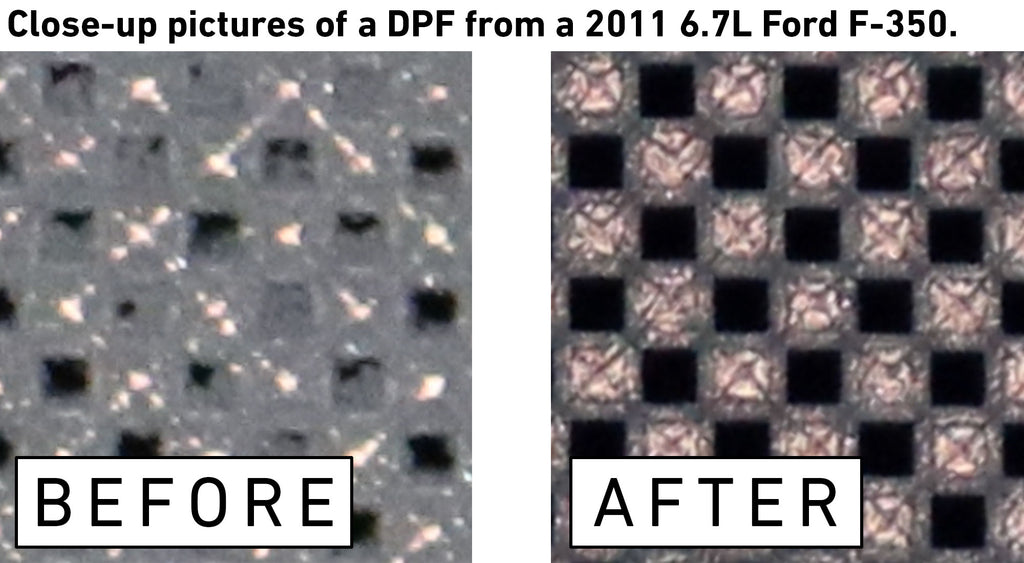
Low-cost filters often skip critical manufacturing steps such as:
precise cell density design
controlled catalyst coating
thermal shock testing
High-quality DPFs are engineered to balance:
Filtration efficiency vs exhaust backpressure
If backpressure rises too much, the engine loses power and fuel efficiency drops.
A properly engineered DPF works together with the diesel oxidation catalytic converter to allow stable regeneration cycles.
Fleet buyers should always check:
OEM reference numbers
substrate material
catalyst coating quality
regeneration performance
Important keywords:
DPF filtration efficiency
exhaust backpressure control
diesel oxidation catalyst performance
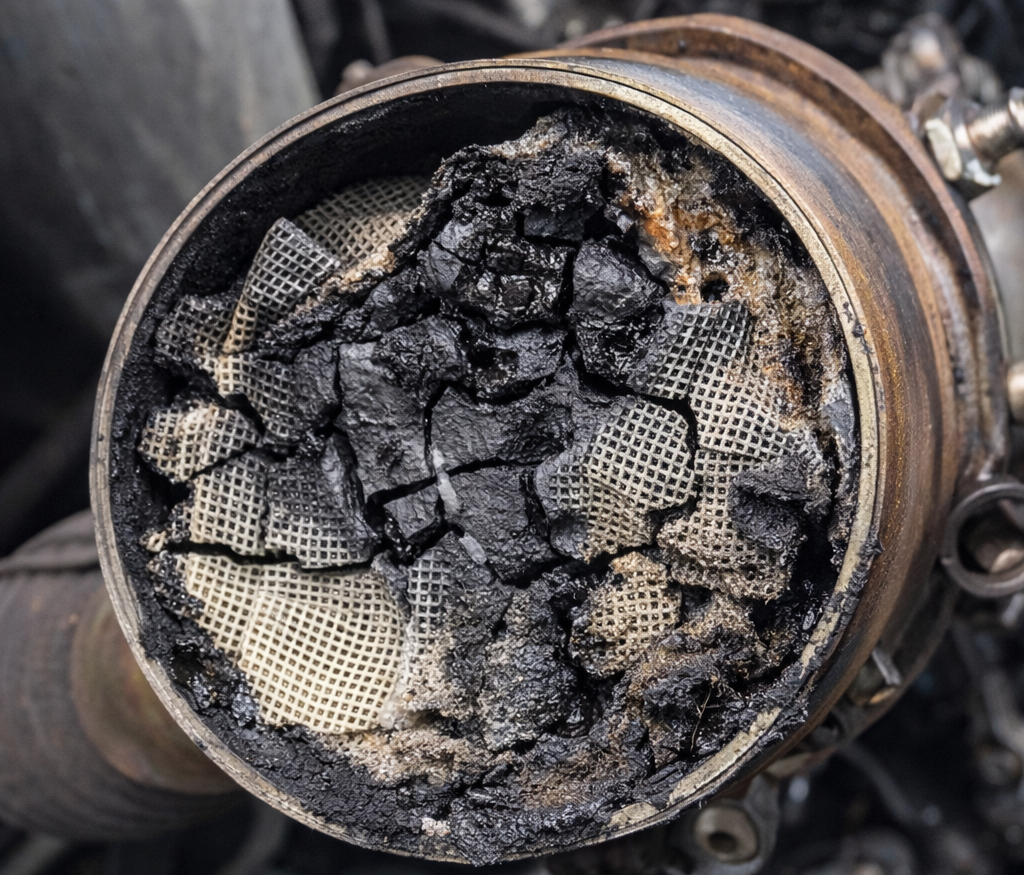
Another reason for price fluctuations is global supply chain pressure.
DPF production depends on several international industries:
ceramic manufacturing
precious metal refining
automotive emissions engineering
Disruptions such as:
shipping delays
energy price spikes
raw material shortages
can quickly raise the final product cost.
For fleets managing hundreds of trucks, these changes can significantly impact maintenance budgets.
Keywords to track:
DPF supply chain costs
diesel emissions component pricing
truck exhaust system replacement cost
Some fleet buyers try to reduce costs by purchasing extremely cheap aftermarket filters.
But this often leads to problems such as:
frequent DPF clogging
failed regeneration cycles
increased engine backpressure
expensive downtime
Because the DPF and catalytic converter system work together, a low-quality filter can damage the entire aftertreatment system.
This is why experienced fleet managers focus on lifecycle cost, not just purchase price.
Key lifecycle keywords:
DPF maintenance cost
fleet emissions system reliability
truck aftertreatment lifecycle cost
raw material costs
emissions regulations
manufacturing quality
supply chain conditions
But the most important insight is this:
A DPF is not just a filter — it is part of a complete catalytic converter and aftertreatment system.
Choosing the right component protects:
engine performance
fuel efficiency
regulatory compliance
For fleet operators in the U.S. and Canada, investing in a reliable DPF system ultimately reduces total cost of ownership (TCO).


