
Through advanced filtration technology and high - quality materials, we ensure that our DPFs meet the most stringent environmental standards helping to improve air quality and protect the environment.
Through advanced filtration technology and high - quality materials, we ensure that our DPFs meet the most stringent environmental standards helping to improve air quality and protect the environment.

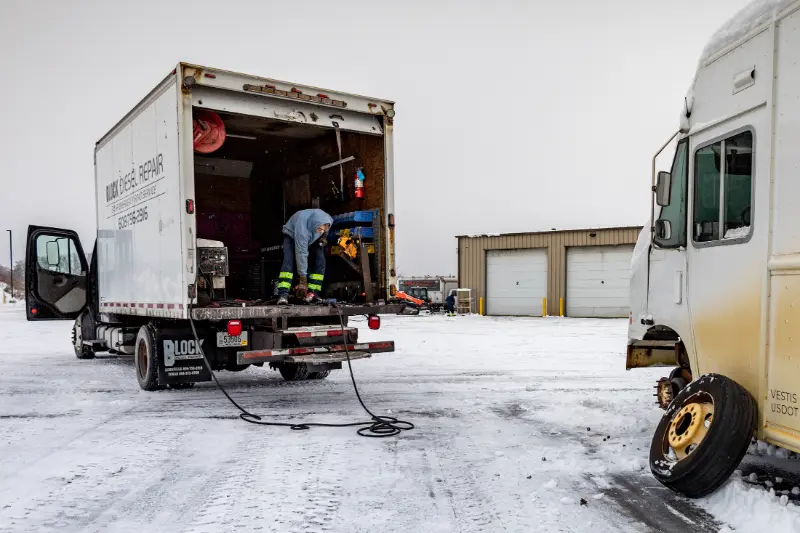
Fleet downtime costs more than most maintenance bills.
When a truck is parked instead of moving freight, fleets lose revenue, driver productivity, and scheduling flexibility.
One unexpected emissions failure can disrupt delivery schedules across multiple routes.
Many downtime events in modern diesel fleets are linked to the aftertreatment system — especially the Diesel Particulate Filter (DPF) and catalytic converters.
The good news is simple.
Higher-quality DPF systems often reduce downtime significantly by improving durability, airflow balance, and regeneration reliability.
Understanding how this works helps fleet buyers make smarter purchasing decisions.
Modern diesel trucks rely on multiple emissions components working together.
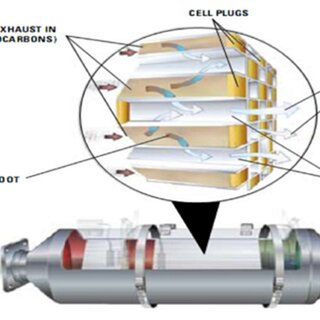
Helps reduce harmful gases and generates heat for regeneration.
Captures soot particles from exhaust gases.
Uses DEF fluid to reduce nitrogen oxides.
The DPF is the center of soot control.
Catalytic converters help create the heat needed to clean the filter through regeneration.
If any of these components perform poorly, the entire system can fail.
Lower-quality filters often create hidden operational risks.
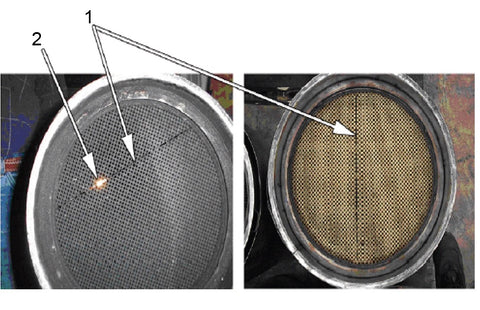
Common failure causes include:
Low-grade substrates can crack or melt during regeneration heat cycles.
Poor channel design increases backpressure, forcing engines to work harder and increasing fuel consumption.
Inconsistent catalyst coatings reduce regeneration efficiency, increasing soot buildup.
Lower-quality materials often degrade faster during cleaning, leading to premature replacement.
These problems rarely appear immediately.
They often develop slowly until the truck enters power derate mode or requires emergency service.
Premium DPF designs use advanced material and engineering improvements that directly reduce failure risk.
High-quality filters often use advanced materials such as silicon carbide or segmented ceramic designs.
These materials tolerate extreme regeneration heat and rapid temperature changes.
For Canadian fleets facing winter cold starts followed by high-load driving, this durability is critical.
Better honeycomb channel design reduces exhaust restriction.
Lower backpressure improves:
Engine efficiency
Fuel economy
Regeneration success
Better airflow means fewer warning lights and less emergency service downtime.
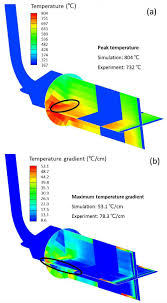
High-quality DPF systems distribute heat evenly during regeneration cycles.
Even heat reduces cracking risk and helps burn soot more completely.
That leads to longer cleaning intervals and fewer service interruptions.
High-quality substrates allow more uniform catalyst coatings.
Better catalyst performance improves:
Heat generation
Emissions conversion
Regeneration reliability
This improves the entire aftertreatment system.
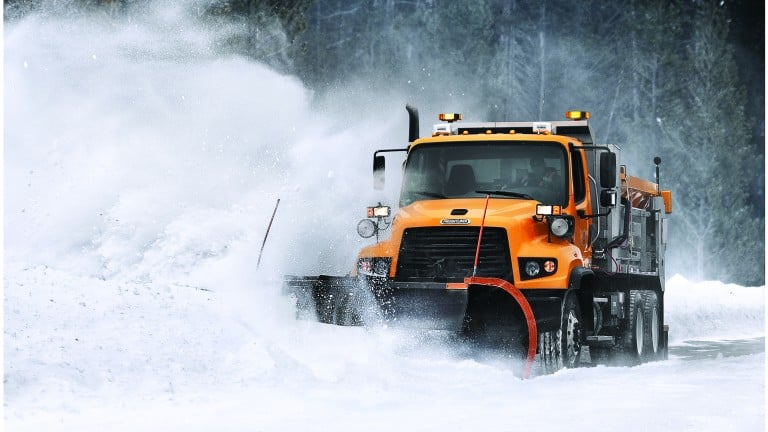
Canadian operating conditions create extreme stress on emissions systems.
Cold temperatures slow engine warm-up and increase soot production.
Short winter routes often interrupt regeneration cycles.
High-quality DPF systems handle:
Frequent regeneration
Large temperature swings
Increased soot loading
Lower-quality filters often fail earlier under these same conditions.
For fleets operating in cold climates, durability often matters more than purchase price.
Fleet buyers sometimes focus on upfront part cost.
But downtime is usually the largest hidden expense.
High-quality DPF systems typically reduce:
Emergency roadside repairs
Replacement frequency
Cleaning service interruptions
Driver scheduling disruptions
When downtime decreases, fleet productivity increases.
Over time, durability improvements often offset higher initial purchase cost.
DPF and catalytic converter technology continues improving through:
Advanced substrate materials
Higher airflow efficiency designs
Improved catalyst coating technology
Stronger thermal management systems
These improvements aim to reduce downtime while meeting stricter emissions regulations.
Fleet downtime is expensive and disruptive.
Many emissions-related failures start inside the DPF and catalytic converter system.
High-quality DPF systems improve durability, airflow balance, and regeneration reliability.
These improvements reduce maintenance interruptions and improve fleet productivity.
For Canadian fleets operating in harsh winter environments, investing in durable aftertreatment components often provides long-term operational stability.
In fleet operations, the best emissions technology is usually the one drivers never notice — because it keeps trucks moving without interruption.


