
Through advanced filtration technology and high - quality materials, we ensure that our DPFs meet the most stringent environmental standards helping to improve air quality and protect the environment.
Through advanced filtration technology and high - quality materials, we ensure that our DPFs meet the most stringent environmental standards helping to improve air quality and protect the environment.

If you manage diesel trucks in Canada or across North America, you already know emissions systems are complex.
But here’s something many fleet buyers overlook.
Heat control is what makes these systems work.
I like to explain it this way.
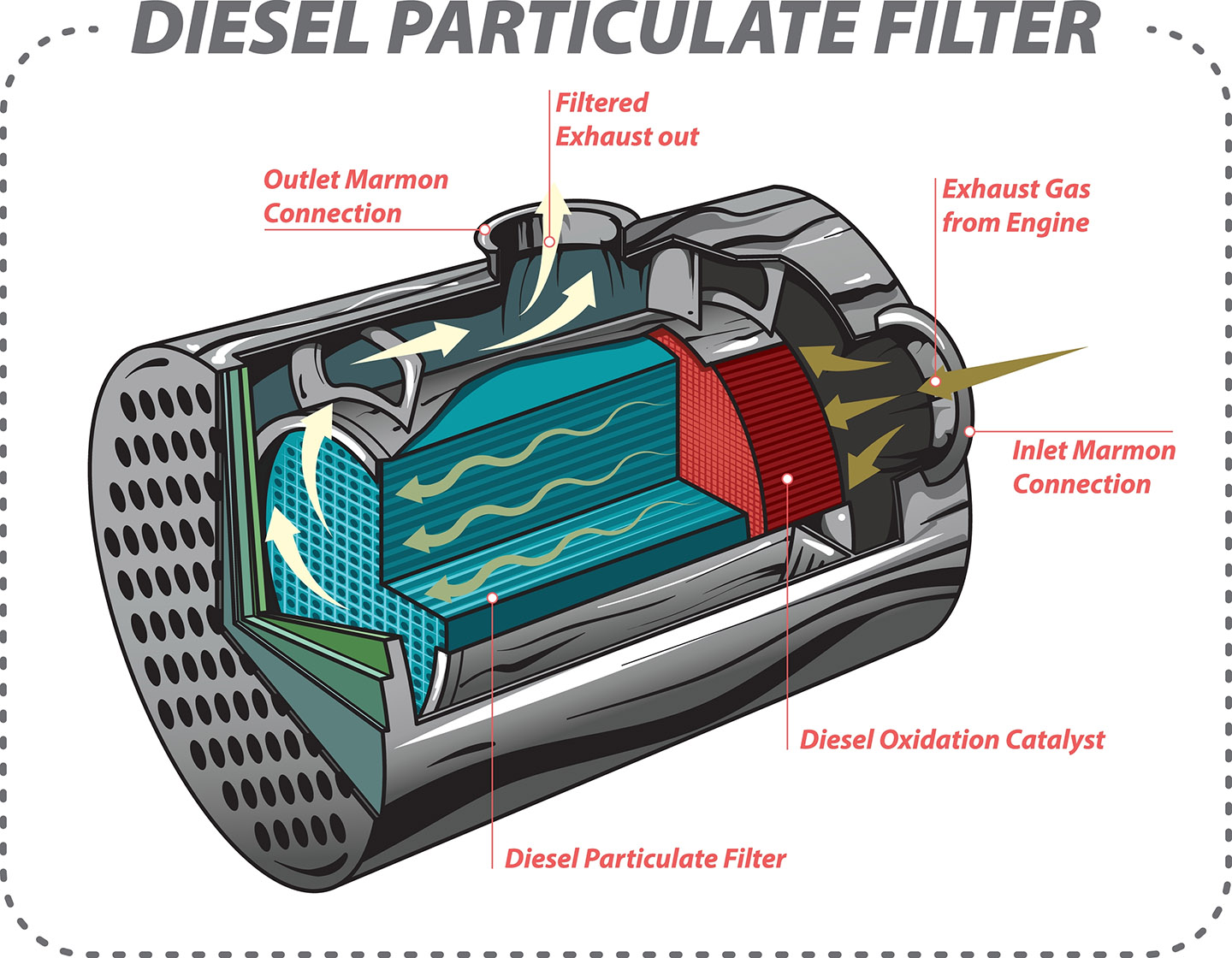
A DPF system is not just a filter.
It is a heat-controlled cleaning system.
Without the right temperature, soot cannot burn off.
Without proper heat flow, catalytic converters cannot clean exhaust gases.
Thermal management simply means controlling exhaust temperature so every emissions component works safely and efficiently.
Before talking about heat, let’s define the main players.
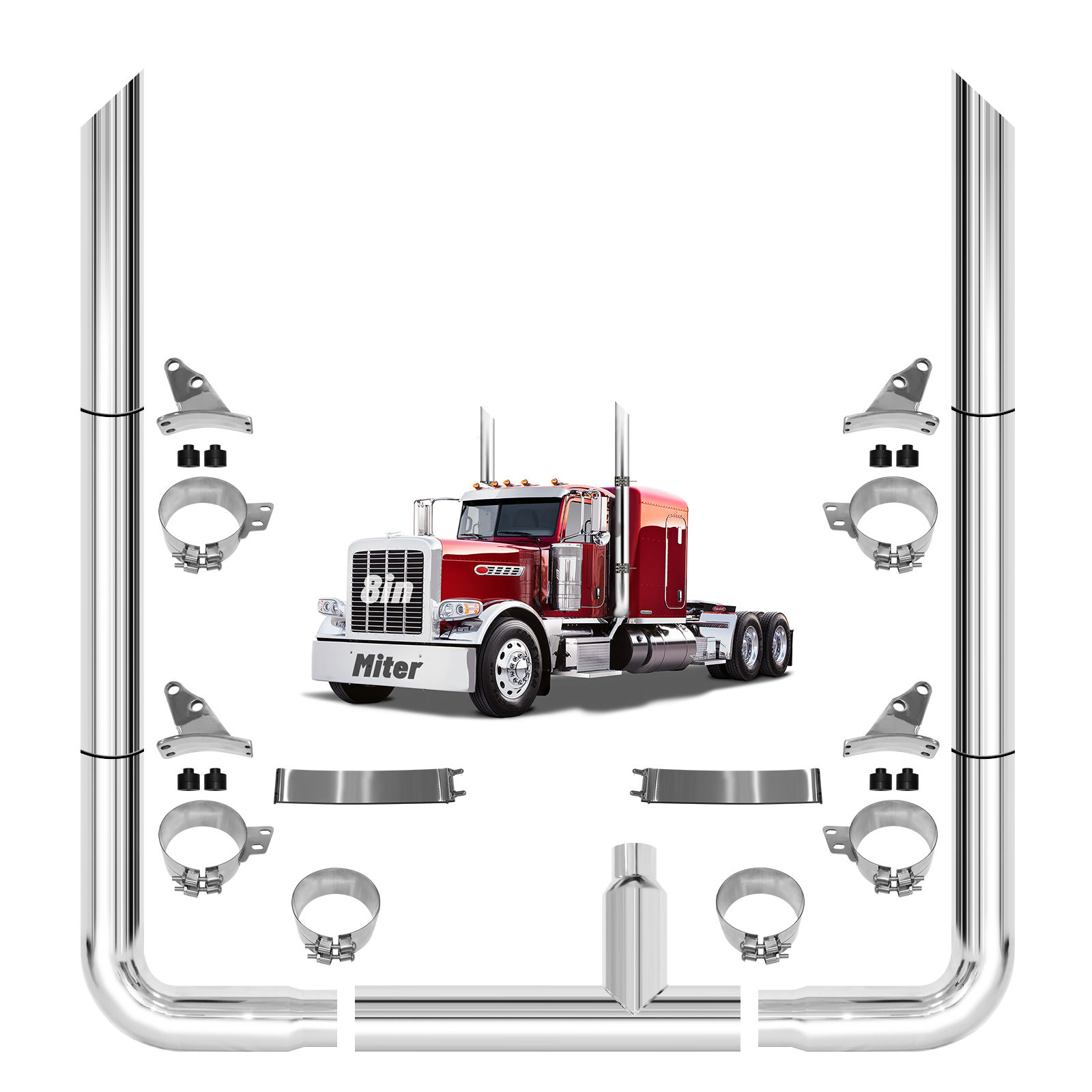
A Diesel Particulate Filter (DPF) traps soot.
Soot is black carbon particles created when diesel fuel burns.
A catalytic converter changes harmful gases into safer ones using chemical reactions.
Inside most diesel trucks, these components work together in sequence:
Diesel Oxidation Catalyst (DOC)
Selective Catalytic Reduction (SCR)
Each part depends on temperature to function properly.
Every emissions component has a temperature “sweet spot.”
Let’s break it down in simple terms.
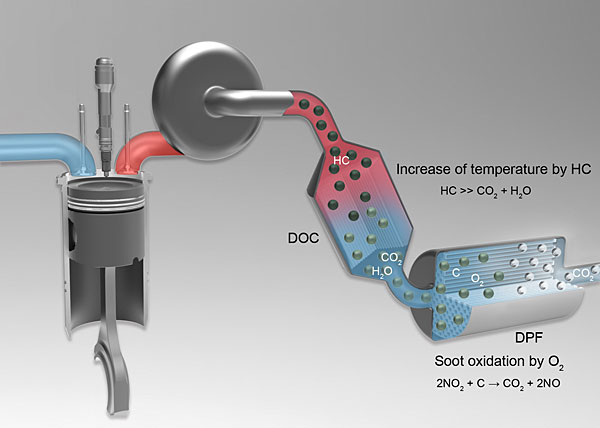
The DOC is usually the first catalytic converter in the system.
Its job is to reduce hydrocarbons and carbon monoxide.
It also creates heat for downstream components.
DOC catalysts typically start working efficiently when exhaust temperatures reach roughly 200–250°C.
If temperatures stay too low, chemical reactions slow down.
The DPF collects soot.
But it must also burn soot through a process called regeneration.
Regeneration normally requires temperatures between 500–650°C depending on the system design.
If the filter never reaches those temperatures, soot builds up and restricts airflow.
That leads to backpressure, reduced power, and higher fuel consumption.
The SCR system reduces nitrogen oxides (NOx).
It uses Diesel Exhaust Fluid (DEF) to convert pollutants into nitrogen and water vapor.
SCR systems also rely on temperature ranges to operate efficiently.
If exhaust heat drops too low, NOx reduction performance decreases.
Canadian fleets face unique thermal challenges.
Cold climates slow engine warm-up time.
Short winter trips can prevent regeneration from finishing.
These conditions create three common problems:
Cold air cools the exhaust system quickly.
This reduces catalyst efficiency.
Drivers often idle trucks for cab heating during winter.
Idling produces soot but generates less heat.
Stopping a truck during regeneration can overload the DPF with soot.
Over time, this increases maintenance costs and downtime.
Catalytic converters do more than clean exhaust gases.
They also help manage heat across the aftertreatment system.
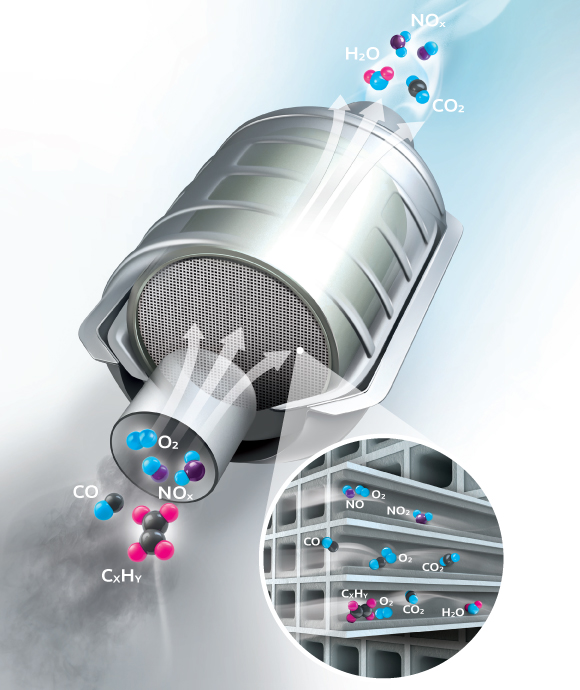
Here is how they support thermal control.
The DOC creates chemical reactions that release heat.
This helps raise exhaust temperature during regeneration.
Catalyst designs spread heat evenly across the honeycomb structure.
Even heat distribution protects filters from cracking or melting.
Modern catalyst housings use insulation and engineered flow paths.
This helps maintain stable temperature levels even during changing driving conditions.
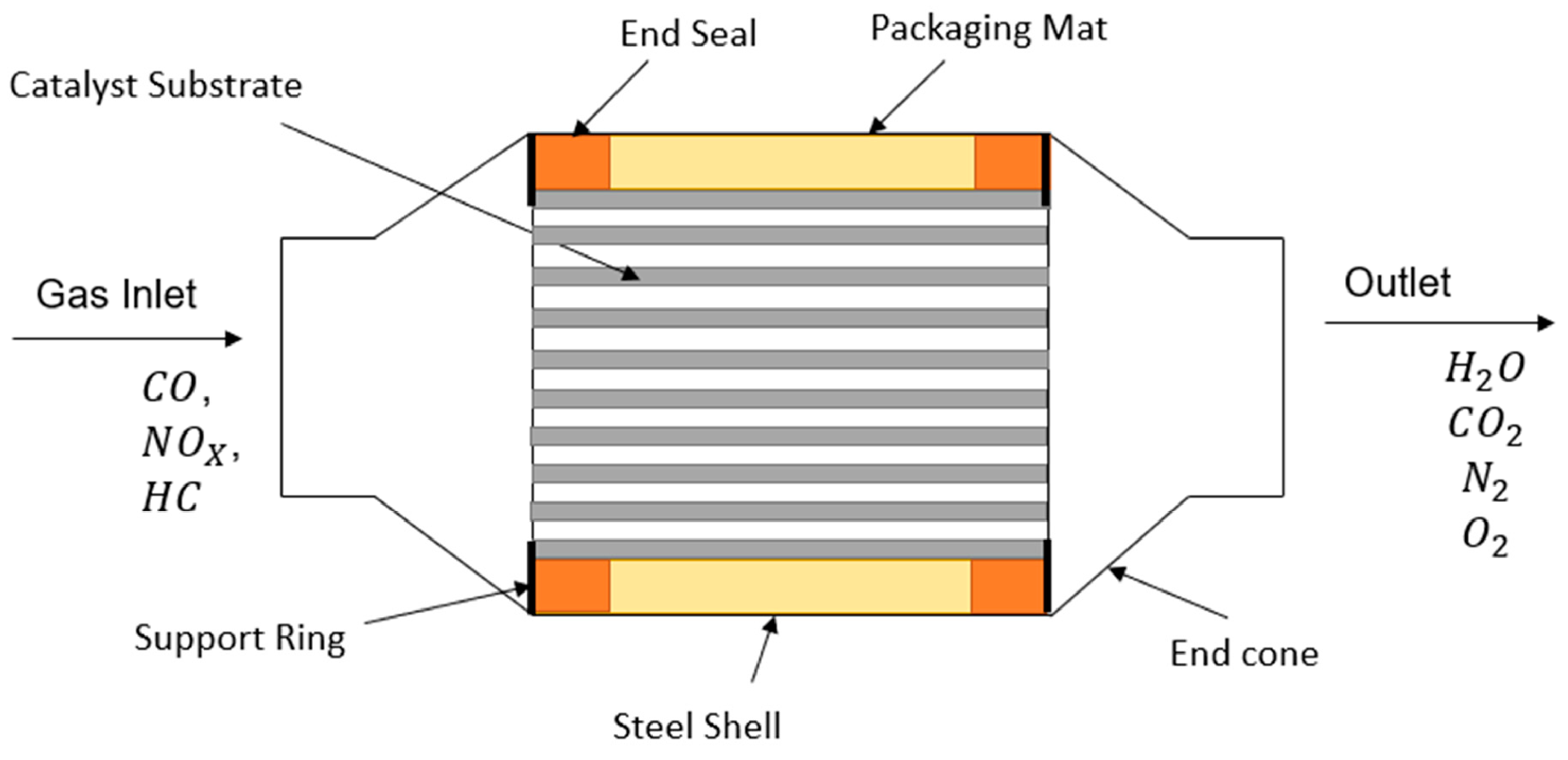
Fleet buyers often see the results before they understand the cause.
Common symptoms include:
Frequent regeneration events
Engine derate or power loss
Rising fuel consumption
Catalyst or filter cracking
Premature DPF replacement
Most of these problems start with unstable exhaust temperatures.
Here are field-tested practices that help protect emissions systems.
Long steady highway driving supports proper regeneration.
Short stop-and-go routes increase soot buildup.
Drivers should allow regeneration cycles to finish when safe.
Interrupting cycles is one of the biggest causes of DPF failures.
Poor fuel injection or turbocharger issues create excess soot.
Excess soot raises thermal stress on catalysts and filters.
Higher-quality catalytic converters handle heat stress better.
They also maintain stable airflow and temperature control.
Many fleets focus only on purchase price when buying aftertreatment parts.
But thermal performance directly affects lifecycle cost.
Better heat control usually means:
Longer DPF service intervals
Fewer regeneration failures
Lower downtime risk
Reduced emergency repairs
In many North American fleet studies, emissions system failures are often linked to thermal stress rather than simple part defects.
DPF systems depend on more than filtration. They depend on controlled heat.
Catalytic converters play a major role by cleaning gases and stabilizing exhaust temperatures.
When thermal management works correctly, the entire aftertreatment system operates smoothly.
For Canadian fleets dealing with cold climates, understanding heat control is especially important.
Small changes in driver habits, maintenance routines, and component quality often make a big difference.


