
Through advanced filtration technology and high - quality materials, we ensure that our DPFs meet the most stringent environmental standards helping to improve air quality and protect the environment.
Through advanced filtration technology and high - quality materials, we ensure that our DPFs meet the most stringent environmental standards helping to improve air quality and protect the environment.

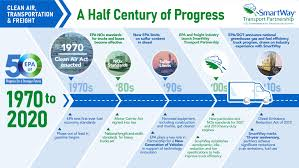
The upcoming <EPA 2027 emissions standards> and <CARB Low-NOx Omnibus regulation> represent the most significant regulatory shift in North American heavy-duty emissions since 2010.
For fleets, distributors, and OEM engineers, this is not just a compliance update.
❗ It is a fundamental redesign of how aftertreatment systems must perform in real-world operation.
EPA 2027 reduces NOx limits to ~0.035 g/bhp-hr
CARB pushes even further to ~0.02 g/bhp-hr
That’s an ~80%+ reduction compared to prior standards
New requirements include:
Low-load operation (idle, urban driving)
Cold start emissions
Extended operating conditions
Emissions must now be controlled not just in the lab—but on the road
Up to 650,000–800,000 miles durability requirements
Extended emissions warranty periods
Systems must perform longer with less degradation.
CO₂ reduction targets begin in 2027
Technology-neutral approach (diesel, hybrid, electric)
Historically, aftertreatment systems were optimized for steady-state highway operation.
Now, regulations require:
High NOx conversion at low exhaust temperatures
Effective control during idle and stop-start cycles
This directly challenges traditional SCR systems.
To meet 2027 requirements, OEMs are adopting:
Dual SCR systems (close-coupled + underfloor)
Heated catalysts / thermal management strategies
Advanced dosing control systems
These systems ensure faster “light-off” and sustained performance.
The new standard forces tighter integration between:
Engine calibration
Aftertreatment hardware
Electronic controls
Emissions compliance is now a system-level engineering problem, not a component-level one.
North American fleets—especially in:
Urban delivery
Refuse
School bus
Utility sectors
…operate in low-load duty cycles.
These are exactly the conditions targeted by 2027 regulations.
Low exhaust temperature
Poor SCR efficiency
Increased soot and thermal management challenges
The regulation is effectively forcing solutions to real-world operating gaps.
More complex aftertreatment systems
Additional sensors and controls
Advanced catalyst materials
Industry feedback indicates higher upfront truck costs are expected
Potential increases:
DEF consumption
Maintenance complexity
Potential benefits:
Improved fuel efficiency (via optimized systems)
Lower emissions penalties and compliance risk
Many fleets are evaluating:
Purchasing 2026 trucks before new rules
Delaying adoption vs early transition
Planning is critical to manage cost and risk
More complex diagnostics
New failure modes (thermal, dosing, sensors)
Preventive maintenance programs
Emissions system diagnostics
Training and support
More SKUs for advanced aftertreatment components
Higher-value parts (SCR, sensors, controllers)
Even outside California:
CARB standards influence North American OEM design
Canadian provinces often align with stricter standards
Result:
Most fleets across the U.S. and Canada will see similar 2027 technologies, regardless of location.
<2027 emissions standards> = major technology shift
NOx reduction >80% requires new aftertreatment design
Low-load performance is now a compliance requirement
Costs will increase—but so will system capability
The 2027 regulations are not just tighter limits—they redefine how emissions systems must perform in the real world.
For fleets, distributors, and OEMs, success will depend on:
Understanding duty cycles
Investing in the right technology
Preparing early for operational changes
Those who adapt early will gain a clear advantage in cost control, uptime, and compliance.


