
Through advanced filtration technology and high - quality materials, we ensure that our DPFs meet the most stringent environmental standards helping to improve air quality and protect the environment.
Through advanced filtration technology and high - quality materials, we ensure that our DPFs meet the most stringent environmental standards helping to improve air quality and protect the environment.

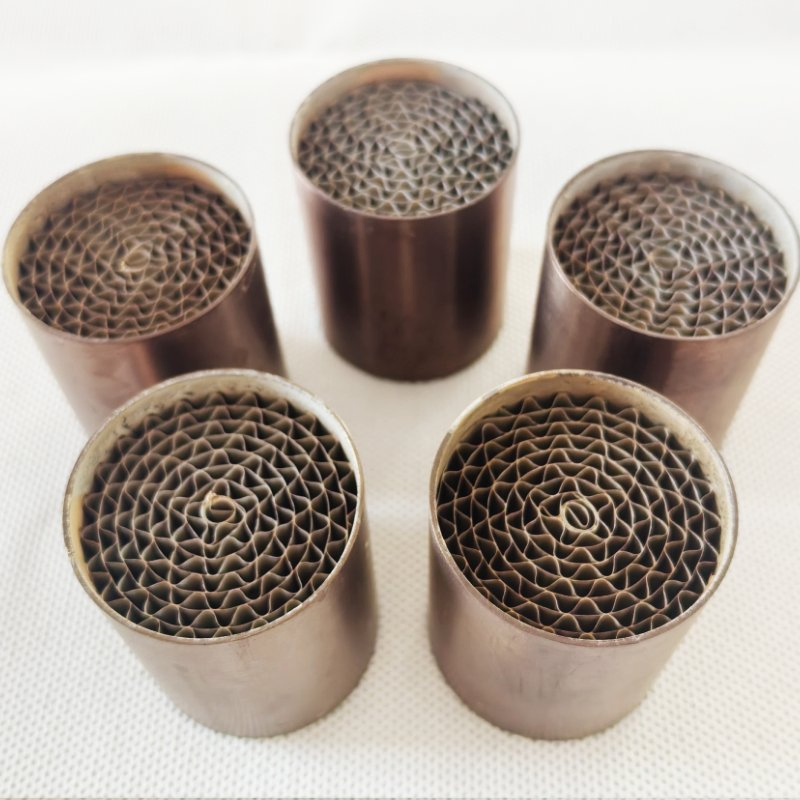
Inside every modern <aftertreatment system>, the real work happens at the material level.
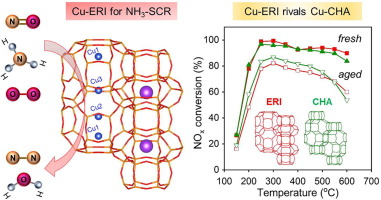
Whether it’s:
<platinum (Pt)>, <palladium (Pd)>, <rhodium (Rh)> (precious metals), or
Emerging <base metal catalysts> (Cu, Fe, Mn systems)
The choice of catalyst directly impacts:
Emissions performance
System durability
Total cost of ownership (TCO)
Catalysts enable chemical reactions without being consumed.
In diesel and gasoline aftertreatment, they are responsible for:
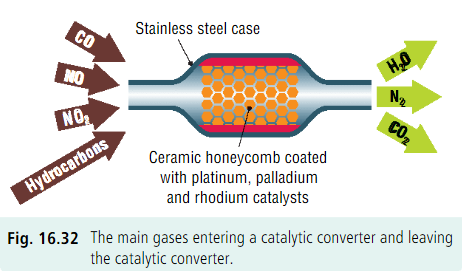
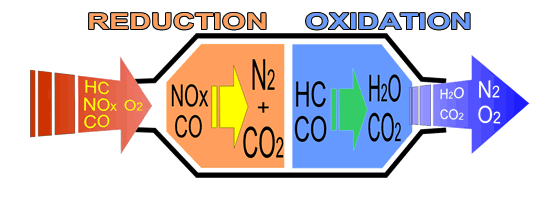
Oxidizing CO and hydrocarbons (DOC)
Converting NOx into nitrogen (SCR / TWC)
Supporting DPF regeneration
These reactions are highly sensitive to:
Temperature
Exhaust composition
Catalyst formulation
That’s why material selection is one of the most critical engineering decisions in system design.
<Platinum (Pt)> → strong oxidation (DOC, diesel systems)
<Palladium (Pd)> → HC/CO oxidation (gasoline, DOC optimization)
<Rhodium (Rh)> → NOx reduction (critical in TWC systems)
High catalytic activity
Broad temperature window
Proven durability across applications
❗ High and volatile cost
❗ Supply chain risk (geopolitical concentration)
❗ Sensitivity to poisoning (sulfur, phosphorus)
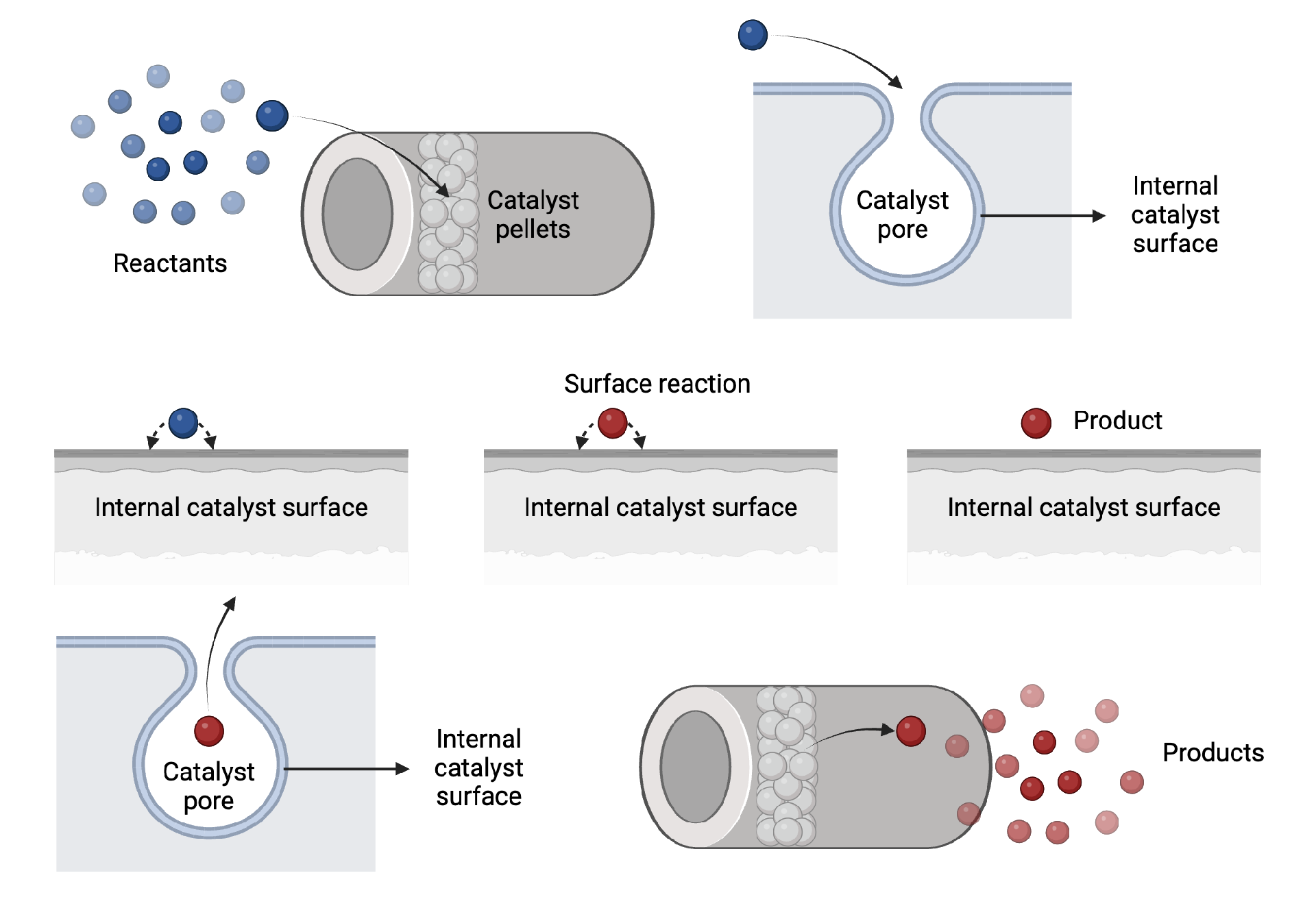
Over the past decade, prices of Pt, Pd, and especially Rh have shown extreme volatility.
For fleets and distributors, this means:
Higher replacement part cost
Margin pressure in aftermarket channels
Increased need for cost-stable alternatives
Base metal catalysts are increasingly used in:
<SCR systems> (Cu-zeolite, Fe-zeolite)
Select oxidation applications
Lower cost vs precious metals
Strong NOx conversion (especially in SCR)Better resistance to certain poisons
❗ Narrower temperature window
❗ Lower low-temperature activity (cold start challenge)
❗ Thermal aging sensitivity (high-temp degradation)
Parameter | Precious Metals (Pt/Pd/Rh) | Base Metals (Cu/Fe/Mn) |
Cost | ❗ High / volatile | ✔️ Lower / stable |
Low-temp activity | ✔️ Excellent | ❗ Moderate |
High-temp durability | ✔️ Strong | ❗ Aging risk |
NOx conversion (SCR) | Moderate | ✔️ Strong |
Application maturity | ✔️ Proven | Growing rapidly |
Key Insight:
There is no “one-size-fits-all” solution—modern systems increasingly use hybrid catalyst strategies.
Instead of choosing one material, OEMs are combining both:
DOC → Pt/Pd (oxidation strength)
DPF coating → optimized PGM loading
SCR → Cu-zeolite (cost-effective NOx reduction)
This approach balances:
Performance
Cost
Durability
In the U.S. and Canada, fleets face unique conditions:
Cold starts (Canada winters)
Low-load duty cycles (urban delivery)
Long service intervals
These conditions highlight key material challenges:
Base metals struggle at low temp
Precious metals still dominate cold-start control
High exhaust temps (regeneration events)
Base metals may degrade faster if not engineered properly
Sulfur and ash can poison catalysts
Material choice affects long-term durability
Lower Pt/Pd/Rh loading while maintaining performance
Advanced washcoat design and dispersion
Wider adoption in SCR and low-cost systems
Continuous improvement in low-temp activity
Hybrid vehicles change exhaust temperature profiles
Greater need for fast light-off catalysts
<Precious metals> remain essential for performance
<Base metal catalysts> are driving cost innovation
The future is hybrid—not replacement
Material choice must match duty cycle + application
The future of aftertreatment is not about choosing between precious and base metals—it’s about engineering the right combination.
For fleets, distributors, and OEMs, the winners will be those who:
Understand material trade-offs
Align technology with real-world operation
Optimize for both performance and cost stability


