
Through advanced filtration technology and high - quality materials, we ensure that our DPFs meet the most stringent environmental standards helping to improve air quality and protect the environment.
Through advanced filtration technology and high - quality materials, we ensure that our DPFs meet the most stringent environmental standards helping to improve air quality and protect the environment.

When fleet buyers think about Diesel Particulate Filters (DPFs), they usually focus on maintenance, cleaning, or replacement cost.
That makes sense.
But how a DPF is manufactured plays a huge role in how long it lasts, how well it performs, and how reliable your emissions system will be.
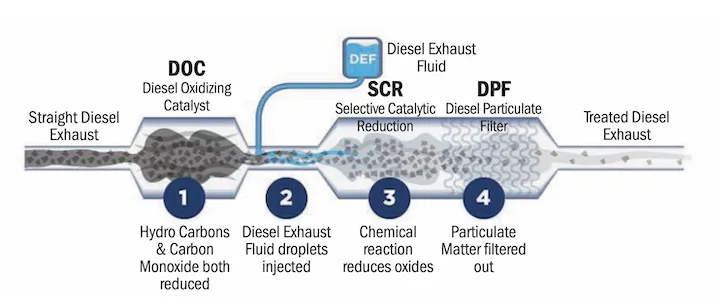
DPFs work together with catalytic converters like the Diesel Oxidation Catalyst (DOC) and Selective Catalytic Reduction (SCR) system to reduce diesel exhaust pollution. The manufacturing process directly affects airflow efficiency, heat resistance, and soot filtration performance.
If the manufacturing quality is poor, the filter may crack, clog, or fail early.
If it is done properly, the filter can last for years.
Let’s break down how these filters are actually made.
Every DPF starts with specialized ceramic materials designed to survive extreme heat and pressure.
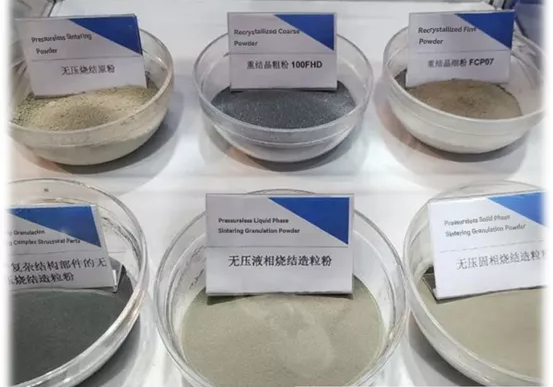
The two most common materials are:
Cordierite is widely used because it offers good filtration efficiency and lower production cost. It works well in many on-road truck applications.
Silicon carbide is stronger and more heat resistant. It is often used in heavy-duty applications such as mining, construction, and long-haul trucking.
These materials are mixed into a ceramic paste using carefully controlled formulas. The mixture must be uniform to ensure consistent airflow and durability throughout the filter.
Material quality at this stage affects long-term thermal cracking resistance.
The ceramic mixture is shaped into the familiar honeycomb structure using a process called extrusion.
Extrusion pushes the ceramic paste through a specialized mold.
This creates thousands of tiny channels inside the filter.
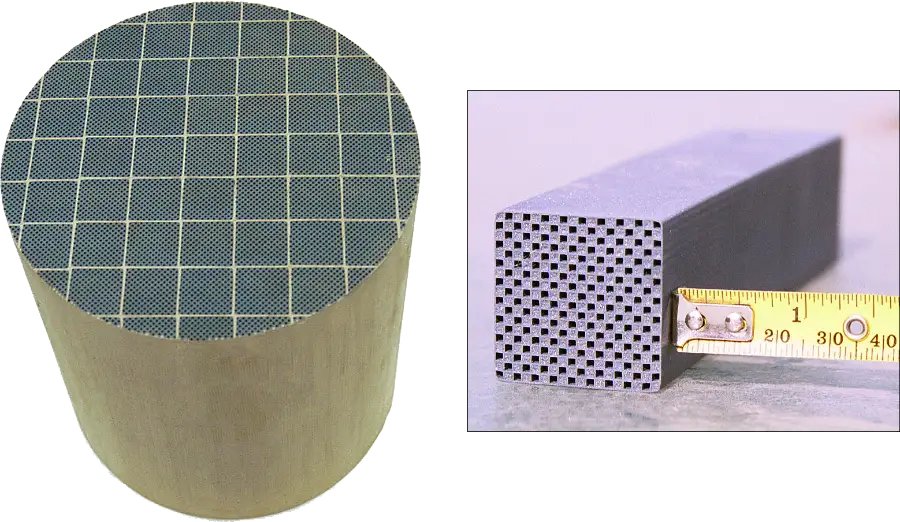
These channels form a wall-flow filtration design, which means:
Exhaust gases pass through porous ceramic walls
Soot particles are trapped inside the walls
Clean exhaust flows out the other side
Channel size, wall thickness, and cell density are carefully controlled during extrusion. These factors affect filtration efficiency and exhaust airflow performance.
Fleet buyers may hear cell density measured as CPSI, which stands for cells per square inch.
Higher CPSI improves filtration but can increase backpressure.
Manufacturers must balance both.
After extrusion, the filter structure is fragile.
It must be dried and heat-treated to become strong enough for engine use.
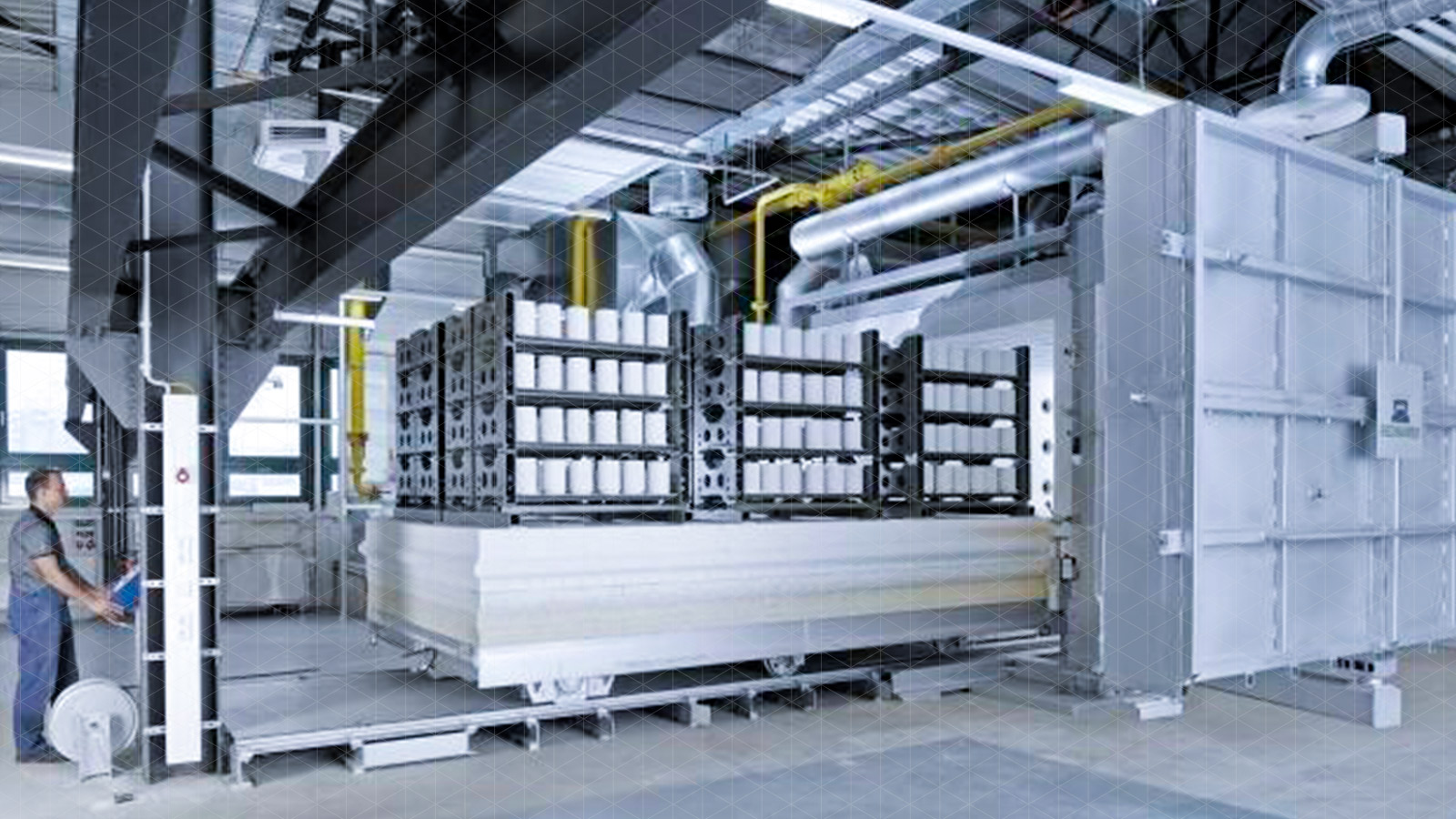
Moisture is slowly removed from the ceramic structure. This prevents cracks and distortion.
The filter is placed in a high-temperature furnace, often exceeding 1,000°C (1,832°F). This process hardens the ceramic and forms the final porous structure that allows filtration.
Temperature control during firing is extremely important.
Uneven heating can weaken the filter and lead to premature failure.
Many modern DPFs include catalyst coatings to improve emissions performance.
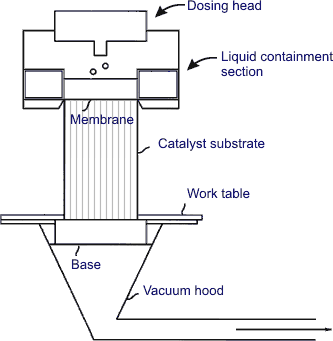
This coating is sometimes called a washcoat.
It contains precious metals that help support chemical reactions during regeneration.
Catalyst coatings help:
Improve soot burning efficiency
Reduce regeneration temperature requirements
Improve overall emissions performance
The coating process must be applied evenly.
Uneven coatings can create airflow restriction and reduce filter lifespan.
Once the filter core is finished, it is installed inside a protective metal housing.
This housing protects the ceramic substrate from vibration and thermal expansion during engine operation.
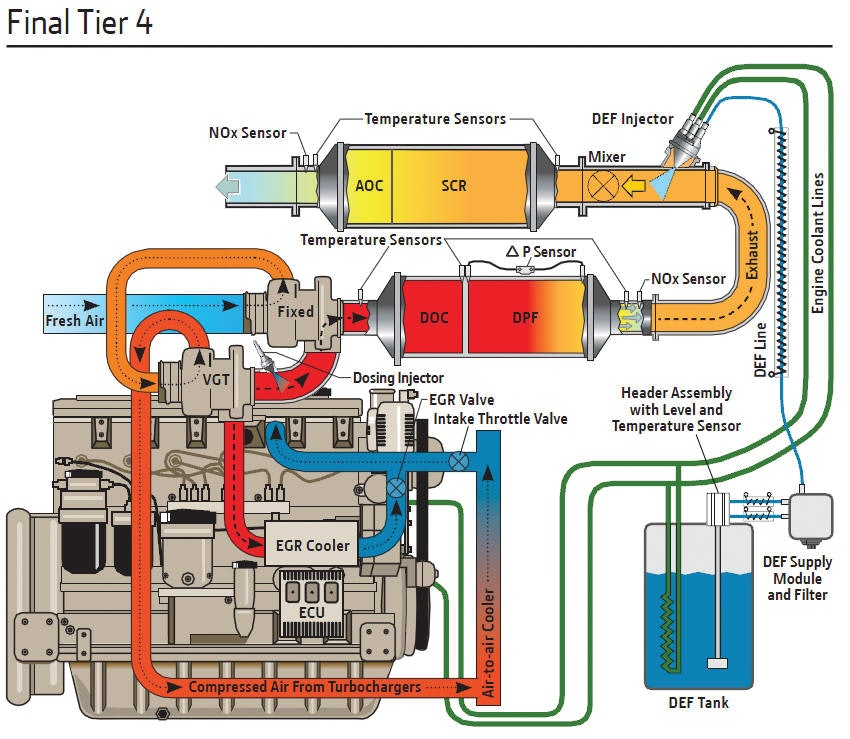
Modern emissions systems often combine multiple components into one module, including:
DOC
DPF
SCR
Integrated designs improve heat management and system durability.
Before shipping, every DPF must pass several performance tests.
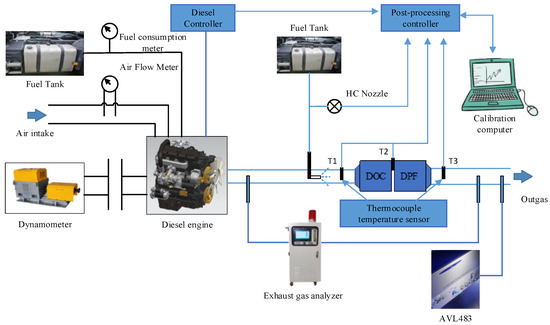
These tests typically include:
Ensures exhaust gases can pass through without excessive restriction.
Checks for cracks or weak ceramic areas.
Simulates rapid heating and cooling cycles.
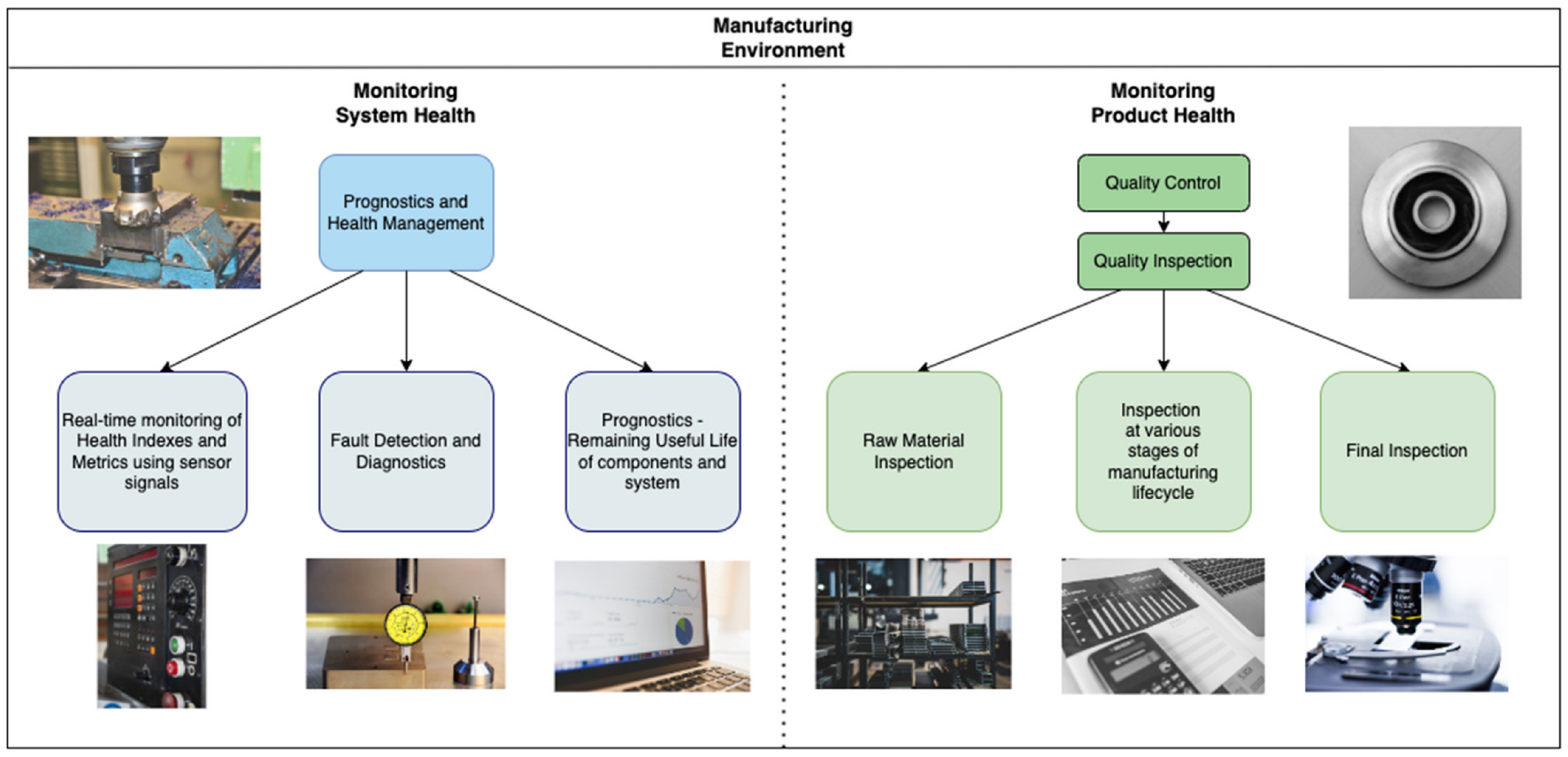
Verifies filtration efficiency and regeneration performance.
Quality testing is critical because even small defects can lead to filter failure under heavy-duty operating conditions.
Canadian fleets operate in extreme temperature swings.
This creates additional stress inside the DPF.
Cold starts followed by heavy loads can create rapid heat expansion inside the filter.
Strong materials, proper firing processes, and quality coating applications help prevent thermal cracking.
Filters manufactured with strong quality control typically perform better in cold climates.
Diesel Particulate Filters are advanced engineered components, not simple exhaust parts.
The manufacturing process — from raw material selection to final quality testing — determines how well the filter performs and how long it lasts.
Modern catalytic converter systems rely on DPF technology to meet strict emissions regulations while maintaining engine efficiency.
For Canadian and North American fleets, understanding how these filters are built helps buyers choose reliable suppliers and reduce long-term maintenance costs.
And in fleet operations, durability almost always starts at the manufacturing stage.


