
Through advanced filtration technology and high - quality materials, we ensure that our DPFs meet the most stringent environmental standards helping to improve air quality and protect the environment.
Through advanced filtration technology and high - quality materials, we ensure that our DPFs meet the most stringent environmental standards helping to improve air quality and protect the environment.

Thermal cracking is one of the fastest ways a Diesel Particulate Filter (DPF) can fail.
And once cracking starts, the filter usually cannot be repaired.
A DPF is made from ceramic material designed to trap soot from diesel exhaust.
Catalytic converters, including the Diesel Oxidation Catalyst (DOC) and Selective Catalytic Reduction (SCR) system, help control heat and chemical reactions across the emissions system.
When heat inside the DPF becomes uneven or excessive, the ceramic structure can crack.
That damage reduces filtration efficiency, increases emissions, and often leads to full filter replacement.
For fleet buyers across Canada and North America, preventing thermal cracking protects uptime, reduces repair costs, and improves long-term emissions reliability.
To understand thermal cracking, you need to understand how heat travels through the emissions system.
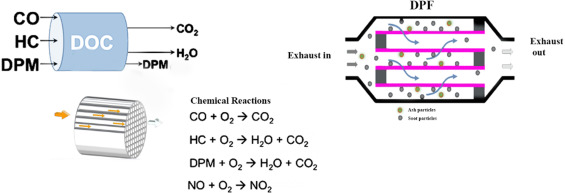
The DOC creates heat during chemical reactions that help burn soot.
The DPF burns soot when exhaust temperatures reach cleaning levels.
The SCR continues reducing nitrogen oxides while managing downstream heat.
Thermal cracking usually occurs when heat rises too quickly or spreads unevenly across the filter.
Ceramic filters expand when heated and contract when cooled.
Rapid temperature swings create stress that can crack the substrate.
Common causes include:
If soot buildup is heavy, regeneration creates intense heat quickly.
This is common in Canadian winters when equipment moves from cold idle directly into high-power operation.
Stopping regeneration mid-cycle creates uneven temperature distribution.
Thermal shock is a leading contributor to structural DPF damage.
When soot accumulates unevenly, regeneration heat is not evenly distributed.
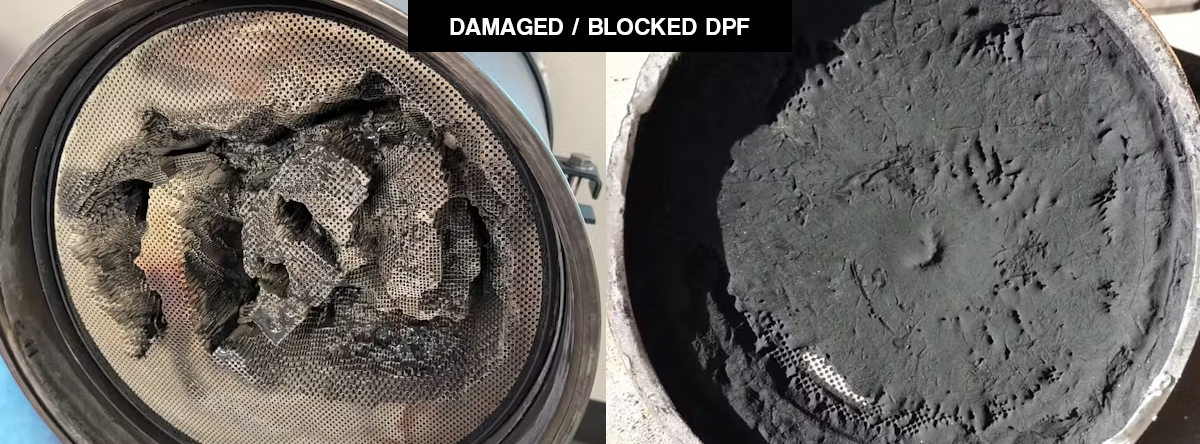
This creates hot spots inside the filter.
Hot spots are localized areas where temperature rises far above safe limits.
Hot spots can:
Melt ceramic filter walls
Crack internal channels
Reduce airflow efficiency
Routine regeneration and cleaning prevent uneven soot accumulation.
Catalytic converters play a major role in DPF thermal protection.
The DOC helps regulate exhaust temperature entering the filter.
If catalyst performance declines, heat distribution becomes unstable.
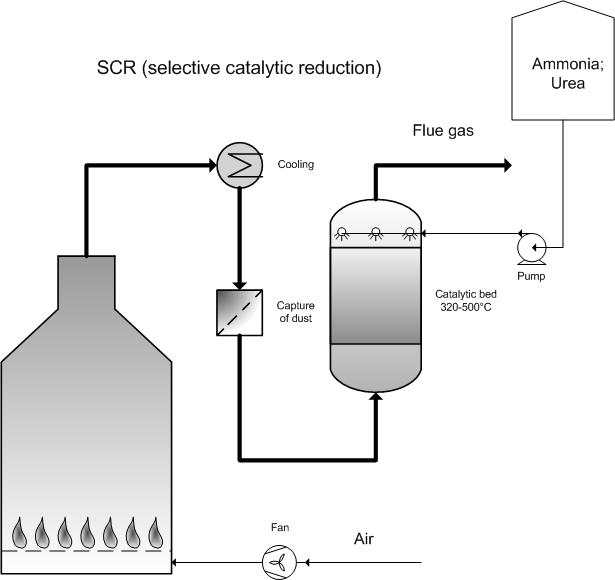
SCR systems help maintain chemical and thermal balance downstream.
When catalytic converters degrade, regeneration becomes unpredictable and thermal cracking risk increases.
Canadian operating environments create ideal conditions for thermal stress.
Cold weather causes:
Slower exhaust warm-up
Increased soot production
Large temperature swings during regeneration
Increased condensation and moisture exposure
Equipment that frequently transitions between cold idle and heavy load is especially vulnerable.
Preventing cracking requires coordinated driver training, maintenance planning, and component selection.
✔ Avoid shutting engines down during regeneration
✔ Monitor soot load levels through diagnostics
✔ Allow regeneration to complete fully
✔ Maintain fuel injector spray accuracy
✔ Inspect turbocharger airflow balance
✔ Control oil consumption to reduce ash buildup
✔Stable combustion reduces extreme soot loading.
✔ Inspect temperature and pressure sensors regularly
✔ Repair wiring damage quickly
✔ Monitor abnormal regeneration frequency
Accurate sensor data helps control regeneration safely.
Fleet buyers should evaluate:
Thermal shock resistance
Substrate material strength
Catalyst coating durability
Cleaning cycle lifespan
Cold climate testing validation
Material design plays a major role in thermal durability.
✔ Use engine block heaters before startup
✔ Gradually increase engine load after cold start
✔ Increase winter inspection frequency
✔ Train drivers to recognize regeneration alerts
✔Controlled warm-up reduces temperature shock.
DPF thermal cracking occurs when excessive or uneven heat damages the ceramic filter structure.
Catalytic converters help protect the DPF by stabilizing heat and chemical reactions throughout the emissions system.
For fleets operating in Canada and North America, preventing rapid temperature changes and maintaining proper regeneration cycles are the most effective strategies.
Reliable emissions performance depends on driver training, preventive maintenance, and durable component selection.
In fleet operations, heat management is one of the most important factors in extending DPF lifespan.


