
Through advanced filtration technology and high - quality materials, we ensure that our DPFs meet the most stringent environmental standards helping to improve air quality and protect the environment.
Through advanced filtration technology and high - quality materials, we ensure that our DPFs meet the most stringent environmental standards helping to improve air quality and protect the environment.

DPF blockage is one of the most common emissions failures in modern diesel fleets.
And it rarely happens suddenly.
Most filters clog slowly as soot and ash build inside the filter.
If caught early, blockage is usually fixable.
If ignored, it can lead to engine derate, expensive repairs, or vehicle shutdown.
The Diesel Particulate Filter (DPF) works alongside catalytic converters to reduce harmful emissions.
When blockage occurs, it affects the entire aftertreatment system, not just the filter itself.
For fleet buyers and maintenance planners across Canada and North America, recognizing early symptoms can prevent major downtime.
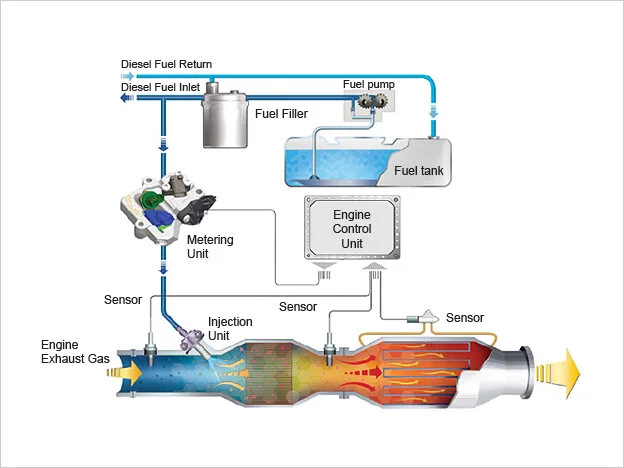
Modern diesel emissions systems include three main components:
Reduces gases and generates heat needed for regeneration.
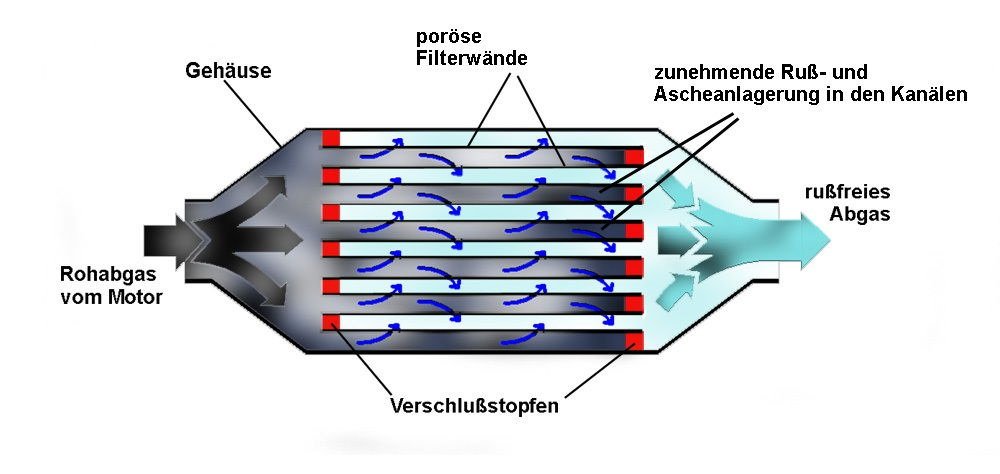
Captures soot particles from diesel exhaust.
Uses Diesel Exhaust Fluid (DEF) to reduce nitrogen oxides.
Catalytic converters help control heat and chemical reactions.
Without proper catalyst performance, DPF regeneration becomes less effective and blockage risk increases.
Recognizing early warning signs allows fleets to fix problems before severe damage occurs.
If the truck requests regeneration more often than normal, it usually means soot is building faster than it can be removed.
This is often the first visible symptom.
When airflow becomes restricted, engine control systems reduce power to protect components.
Drivers often notice:
Slower acceleration
Reduced pulling power
Difficulty climbing grades
Blocked filters increase backpressure.
The engine must work harder to push exhaust gases through the system.
Higher fuel use is often an overlooked early indicator.
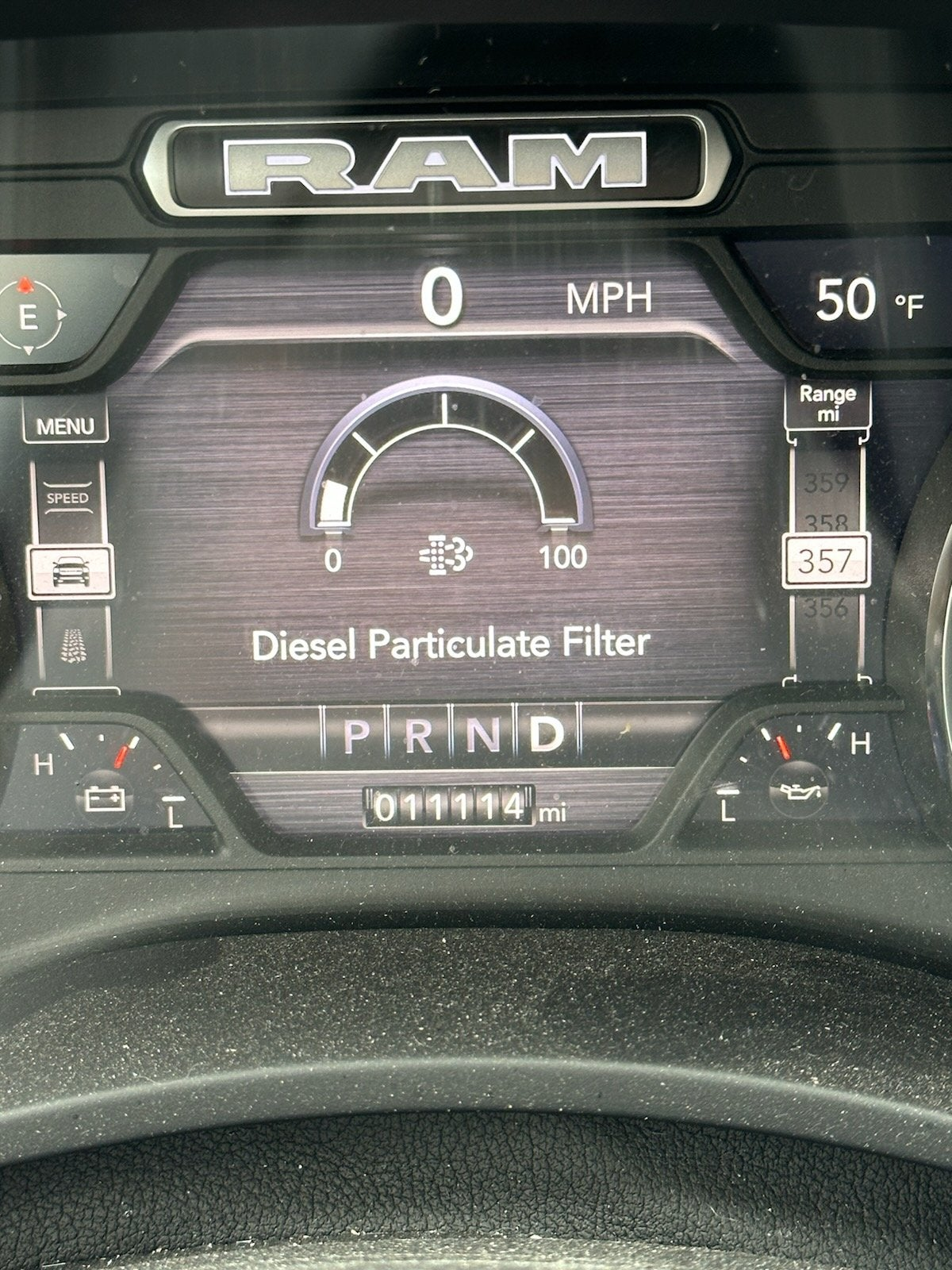
Dashboard emissions warnings or fault codes typically appear as soot load increases.
Ignoring these warnings is one of the leading causes of severe DPF damage.
Unusual exhaust smoke or strong diesel odor may indicate incomplete regeneration or airflow restriction.
Ignoring early blockage signs often leads to:
Emergency roadside repairs
Increased downtime
Premature filter replacement
Increased fuel consumption
Compliance inspection failures
Preventive action is usually far less expensive than major repairs.
When early symptoms are ignored, blockage becomes more serious.
Severe blockage can trigger automatic engine shutdown to prevent damage.
Extreme soot buildup can cause overheating during regeneration, damaging the filter structure.
Ash buildup cannot burn off and eventually blocks filter channels permanently.
This usually requires filter replacement.
DPF blockage usually results from operating patterns, mechanical problems, or maintenance issues.
Drivers shutting down engines during regeneration prevents soot removal.
Short trips, stop-and-go routes, and excessive idling prevent filters from reaching cleaning temperatures.
This is very common in cold Canadian climates.
Incorrect temperature or pressure sensor data can prevent proper regeneration.
Fuel injector issues, turbocharger problems, or oil consumption increase soot production and accelerate blockage.
Cold climates create unique emissions challenges.
Cold weather:
Slows exhaust heating
Increases soot formation
Interrupts regeneration cycles
Creates thermal expansion stress inside filters
Canadian fleets often experience higher regeneration frequency and increased blockage risk compared to moderate climate fleets.
Fleet buyers influence emissions reliability more than most people realize.
High-quality substrates and catalyst coatings improve thermal durability and regeneration efficiency.
Highway driving supports regeneration.
Short trip operation increases soot buildup.
Proper combustion reduces soot production and protects aftertreatment systems.
Routine cleaning removes ash buildup and restores airflow.
Driver awareness is one of the strongest predictors of DPF reliability.
DPF blockage develops gradually and often shows clear warning signs before major failure occurs.
Frequent regeneration, power loss, fuel consumption changes, and warning lights are early indicators fleets should monitor closely.
Catalytic converters support regeneration by controlling heat and chemical reactions throughout the emissions system.
When these components work together properly, blockage risk decreases significantly.
For Canadian fleets operating in cold climates, regeneration reliability and thermal durability are especially important.
Recognizing symptoms early helps fleets reduce downtime, control maintenance costs, and maintain emissions compliance.
And in fleet operations, preventing failures is always easier than repairing them.


