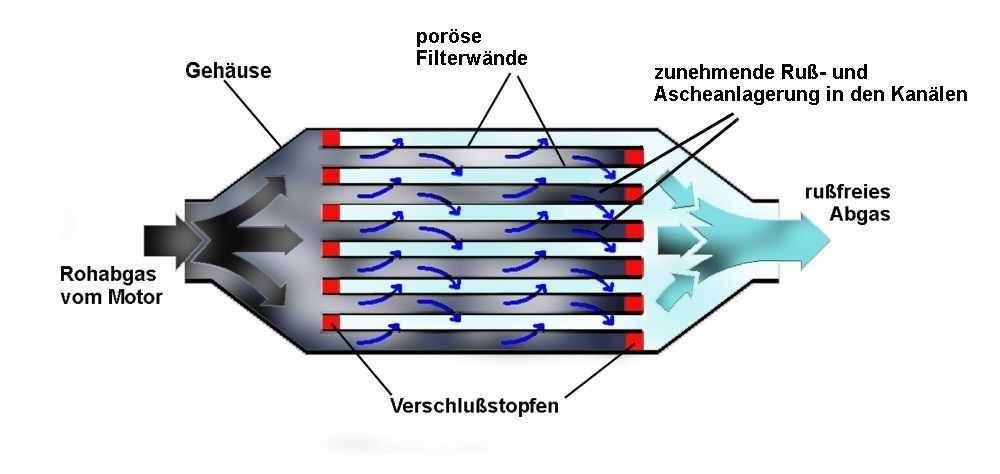
Through advanced filtration technology and high - quality materials, we ensure that our DPFs meet the most stringent environmental standards helping to improve air quality and protect the environment.
Through advanced filtration technology and high - quality materials, we ensure that our DPFs meet the most stringent environmental standards helping to improve air quality and protect the environment.

The global emissions-control industry is entering a new phase of regulation and technology upgrades. For fleet operators across the United States and Canada, this means exhaust aftertreatment systems — especially DPF and catalytic converters — are no longer optional maintenance components. They are core assets affecting compliance, fuel economy, and uptime.
Recent market analysis shows that the global <u>Diesel Particulate Filter (DPF) market is expected to reach about $27.9 billion by 2030, driven by tightening emission rules such as EPA 2027 and Euro-7 standards.
Other forecasts suggest the market could double from about $16 billion in 2024 to over $30 billion by the early 2030s as diesel engines remain essential in heavy-duty transport and industrial equipment.
For fleet buyers, this trend translates to three realities:
More advanced exhaust systems
More aftermarket replacement demand
Higher quality expectations for emissions components
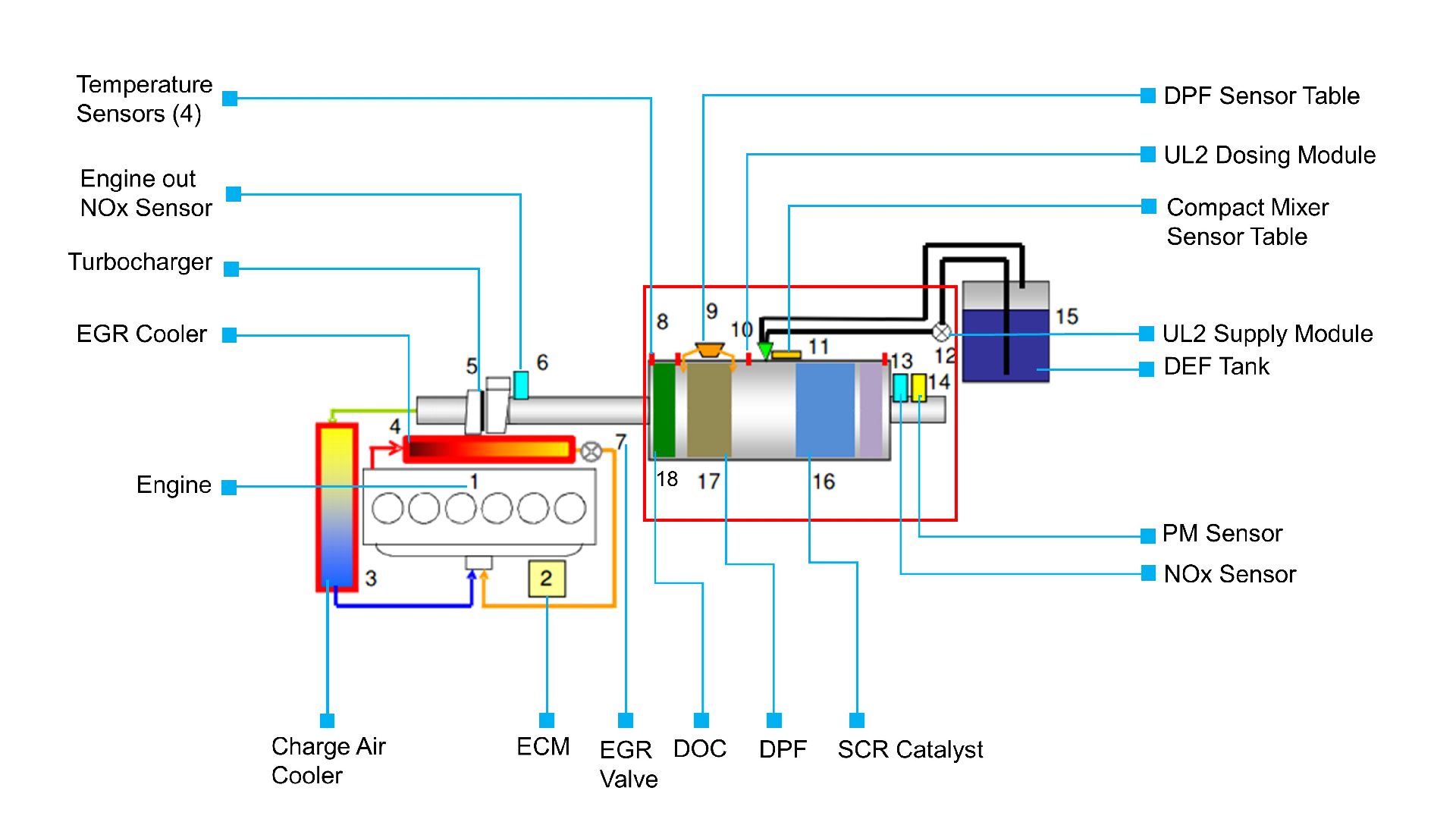
SCR (Selective Catalytic Reduction)
Inside this system, catalytic converters play a key chemical role.
A catalytic converter transforms harmful exhaust gases — including carbon monoxide, hydrocarbons, and nitrogen oxides — into less harmful compounds such as nitrogen, water vapor, and carbon dioxide.
Meanwhile, the DPF physically traps soot particles produced by diesel combustion and periodically burns them off through regeneration.
Component | Job |
DOC Catalyst | Converts toxic gases |
DPF Filter | Captures soot particles |
SCR Catalyst | Reduces NOx emissions |
Without high-quality catalytic technology, DPF regeneration becomes less efficient, increasing downtime and maintenance costs.