
Through advanced filtration technology and high - quality materials, we ensure that our DPFs meet the most stringent environmental standards helping to improve air quality and protect the environment.
Through advanced filtration technology and high - quality materials, we ensure that our DPFs meet the most stringent environmental standards helping to improve air quality and protect the environment.


 Why Catalytic Converters Suddenly Matter More Than Ever (For North American Fleet Buyers)
Latest News: U.S.–Iran Conflict Escalation (2026)
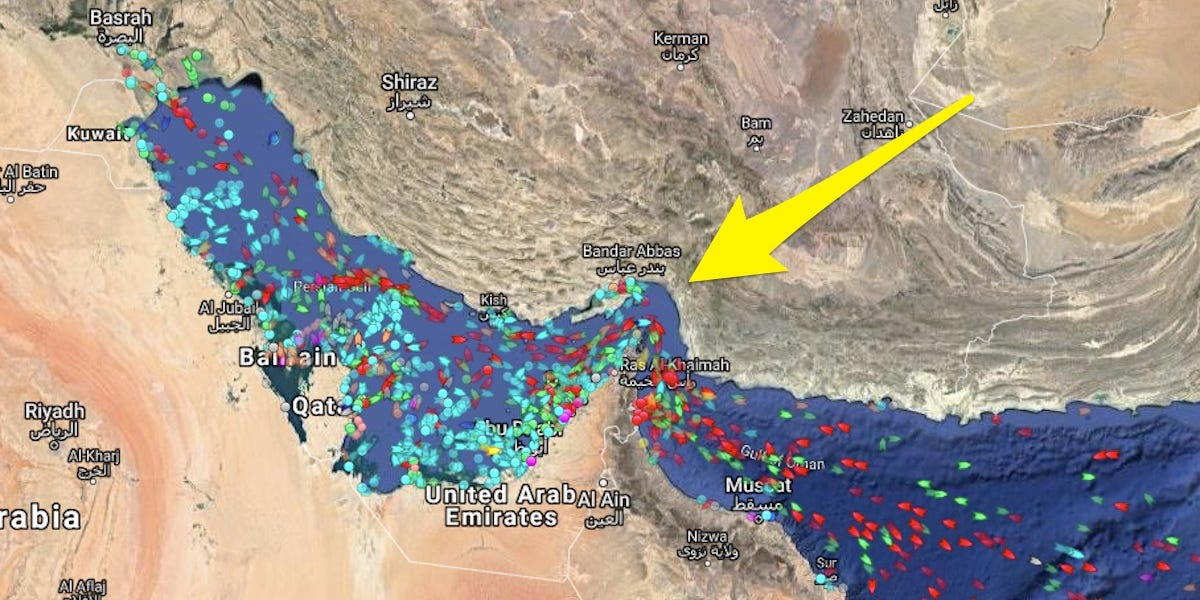
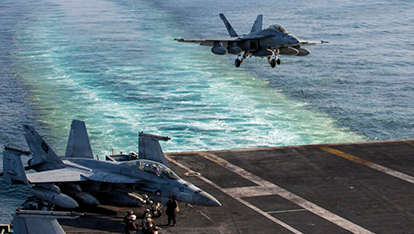
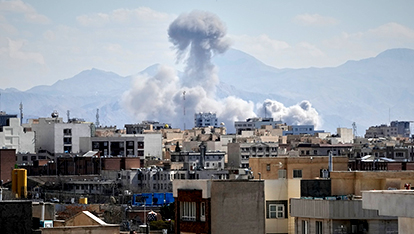
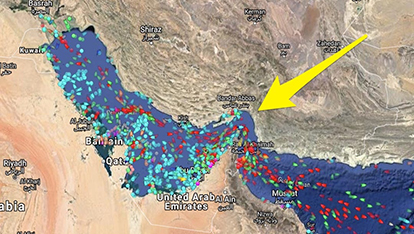
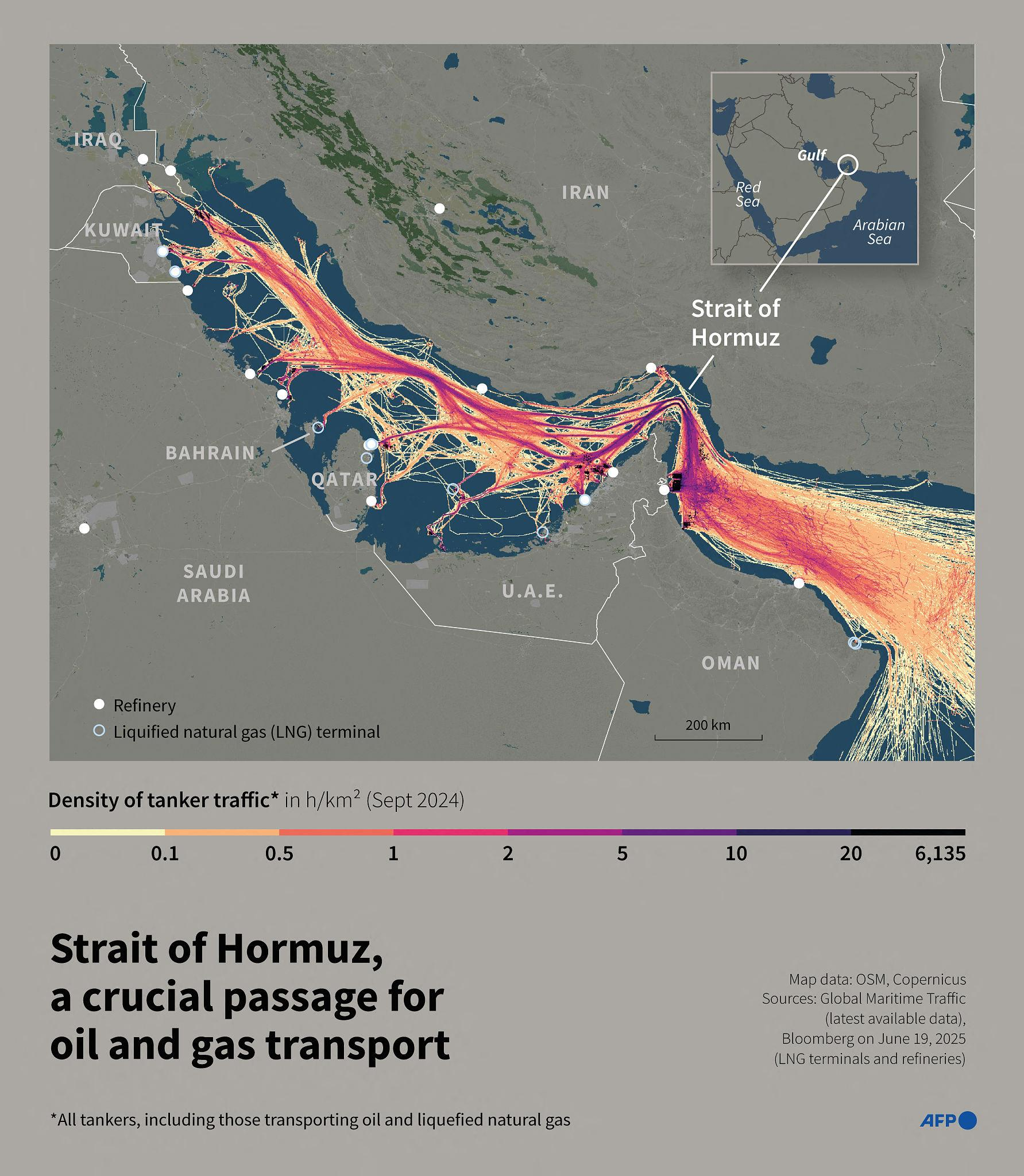
A recent joint U.S.–Israeli military operation against Iran has triggered retaliatory missile strikes, disruptions in oil shipping routes, and rising fuel uncertainty worldwide. The conflict has already resulted in casualties and attacks on regional infrastructure, with the Strait of Hormuz — one of the world’s most critical oil corridors — under severe pressure.
For fleet operators in Canada and North America, this isn’t just geopolitics.
It directly affects:
Diesel prices
Parts availability
Emissions compliance costs
Vehicle uptime
And surprisingly, one component sits at the center of operational resilience:
The catalytic converter (and DPF aftertreatment system).
In late February 2026, coordinated U.S. and Israeli strikes targeted Iranian military and leadership sites, triggering immediate retaliation across the region. Missile attacks hit U.S. bases and neighboring countries while shipping traffic through the Strait of Hormuz sharply declined.
Why this matters to fleets:
✅ Roughly one-fifth of global oil supply moves through that corridor.
✅ Disruption → fuel volatility → operating cost spikes.
✅ Supply shocks ripple into logistics within weeks.
Canadian and U.S. fleets have seen this pattern before — during past geopolitical crises, fuel costs became the #1 controllable expense risk.
Here’s the connection most buyers miss.
When diesel prices increase or fuel quality varies:
Engines run hotter or less efficiently
Soot production increases
Regeneration cycles change
Aftertreatment stress rises
That means your catalytic converter + DPF system becomes mission-critical.
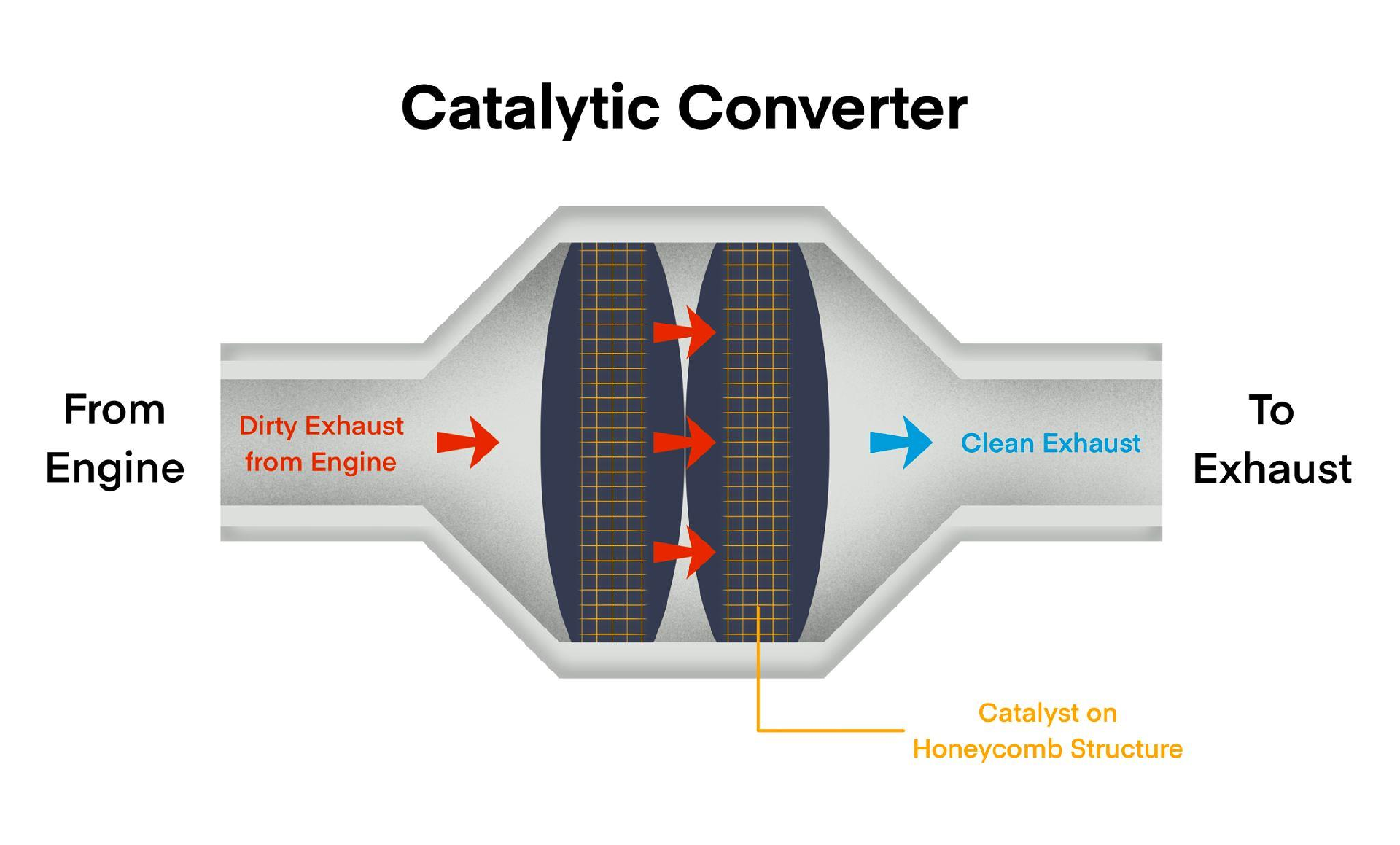
A catalytic converter: turns harmful exhaust gases into safer emissions using chemical reactions.
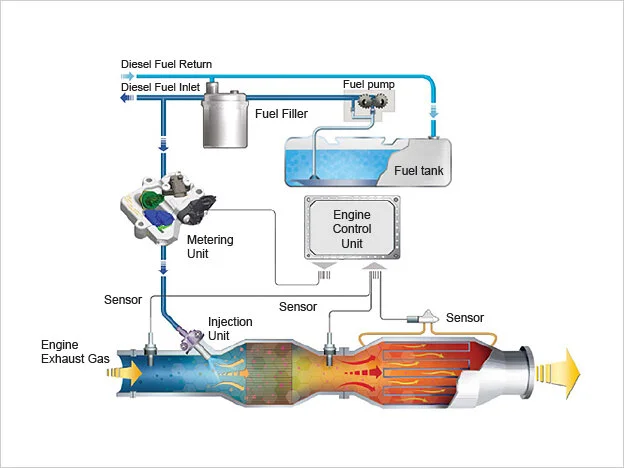
A DPF: traps soot particles and burns them off during regeneration.
Together, they control emissions AND protect engine efficiency.
When fuel conditions become unstable, these systems must work harder — and failures increase.
Fleet buyers often think catalytic converters are just compliance parts.
In reality, they influence three critical business outcomes:
A healthy catalyst ensures complete combustion reactions downstream.
Result: Lower backpressure , Better MPG during high fuel prices
Even 2–3% efficiency improvement matters when diesel spikes.
North American emissions enforcement doesn’t pause during geopolitical crises.
If parts shortages appear:
CARB/EPA violations still apply
Downtime penalties continue
Cross-border fleets face inspections
Reliable catalytic converter supply = compliance insurance
Conflict often causes:
Shipping delays
Metal price volatility (platinum, palladium)
Replacement shortages
Catalytic converters contain precious metals — markets react quickly to instability.
Better-quality units typically deliver:
✅ Longer service intervals
✅ Fewer forced regenerations
✅ Reduced emergency replacements
The U.S.–Iran escalation shows how quickly distant events reach North American trucking operations.
When fuel markets shake:
Engines adapt
Maintenance pressure rises
Weak emissions components fail first
For fleet buyers, catalytic converters are no longer just exhaust parts.
They are:
✔ Fuel-efficiency protectors
✔ Compliance safeguards
✔ Supply-chain risk buffers
✔ Uptime insurance
In fleet operations, you can’t control geopolitics.
But you can control how resilient your equipment is when the world becomes unpredictable.
And increasingly, that resilience starts at the exhaust system.


